

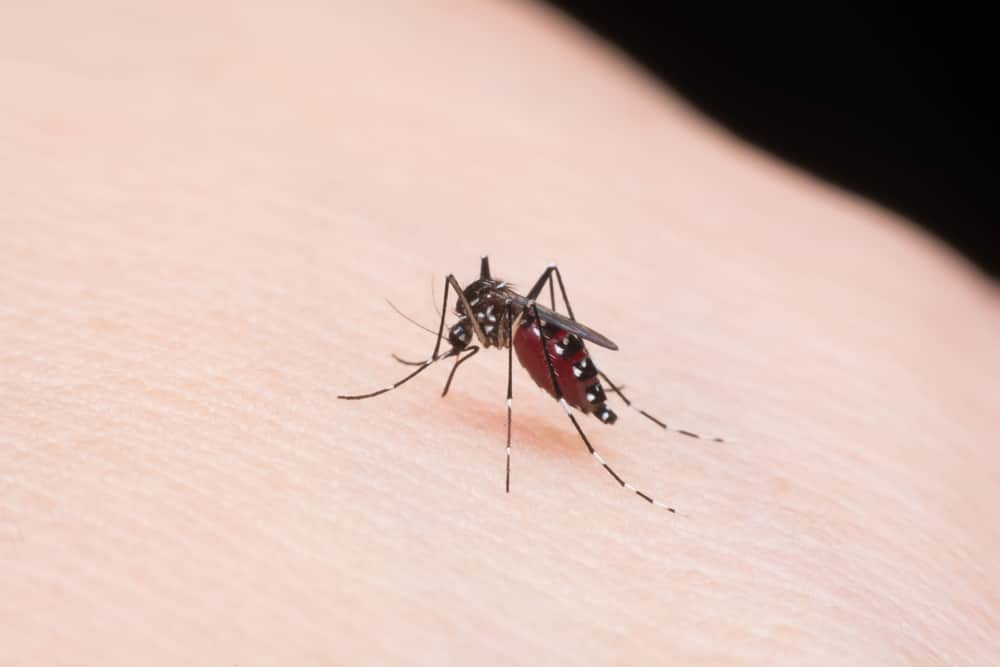
The mosquito life cycle- from egg to adult
Content Updated: February 11th, 2025
Mosquitoes put a lot of life into a little bit of time. While you may think their main goal is biting and pestering you, it's actually reproducing. Although most mosquito species only live a few weeks, they spend most of their time growing and continuing their life cycle. The mosquito life cycle has four distinct parts: egg, larva, pupa, and adult.
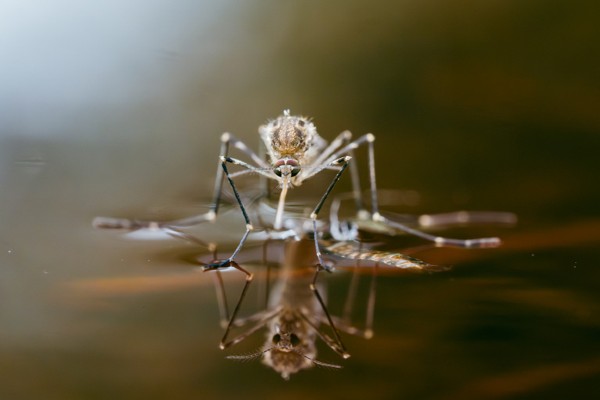
The mosquito life cycle stages
Both environmental and human factors influence the mosquito life cycle:
Environmental factors: Warm temperatures (70–80°F), high humidity, and rainfall create ideal conditions for mosquitoes to breed and thrive. They require standing water for eggs and larvae, making puddles, ponds, and containers key breeding sites.
Human impact: Urbanization provides artificial water sources and habitats for mosquitoes, while climate change extends breeding seasons and expands mosquito ranges. Control measures like insecticides, removing stagnant water, and introducing predators can disrupt their life cycle and reduce populations.
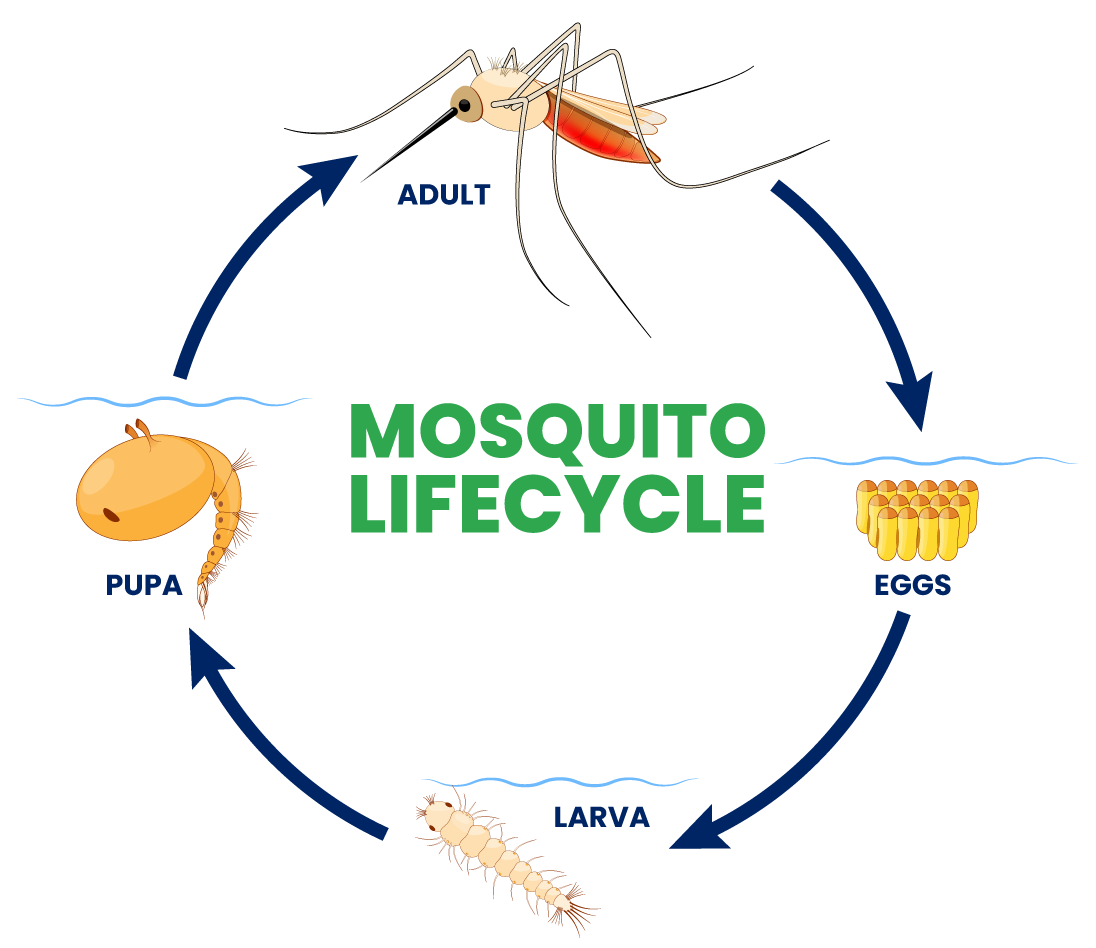
Mosquito egg
After a blood meal, a female mosquito lays her eggs in areas prone to flooding or stagnant water. A container holding just a few drops of water can be enough to attract a mosquito for egg-laying, as mosquitoes need only about a tablespoon of water to breed.
Female mosquitoes lay around 100 eggs at a time, and depending on the species, these eggs may be laid individually or in clusters called rafts. The eggs are tiny, oval-shaped, and often dark in color, making them difficult to see with the naked eye.
The placement of mosquito eggs varies by species—some lay them directly on the surface of still water, while others prefer edges of water sources, tree holes, or areas prone to intermittent flooding. Eggs laid on water typically hatch within 24–48 hours, though this timeframe can vary based on environmental conditions.
Mosquito larvae
Mosquito larvae, often called “wrigglers,” emerge from eggs when submerged in water. They are small, elongated, and cylindrical, resembling tiny worms. Depending on the species, mosquito larvae can vary in color, but they are typically brown, black, or translucent.
Mosquito larvae feed on microorganisms and organic matter found in water, including algae, bacteria, and decaying plant material. They spend most of their time filtering or grazing on these nutrients to fuel their rapid growth. Larvae undergo four distinct molts or instars, shedding their skin and increasing in size with each stage. Depending on the species, water temperature, food availability, and other environmental factors, the transition from the larval to pupal stage typically takes four to 14 days.
Mosquito pupae
After the larval stage, mosquitoes enter the pupal stage, the final developmental phase before adulthood. Mosquito pupae are small, comma-shaped organisms, often called “tumblers,” that stay near the water's surface. They consist of two main parts: a rounded head and thorax (known as the cephalothorax) and a curled abdomen tucked beneath it. Unlike larvae, pupae do not feed, as their primary focus during this stage is transformation.
The pupal stage typically lasts one to four days, depending on the species and environmental factors like water temperature. Warmer temperatures generally speed up development, while cooler conditions slow it down. Once the transformation is complete, the adult mosquito emerges by breaking through the pupal casing.
Adult mosquitoes
Once the adult mosquito has emerged, it will typically rest on the water's surface until its legs and wings are strong enough to support it. Once these newly hatched mosquitoes have reached full maturity, they will begin the mating process and go on to lay more eggs, restarting the mosquito life cycle. Generally speaking, the complete mosquito life cycle can range from four days to one month.
What are ideal mosquito breeding grounds?
Mosquitoes like to lay their eggs in standing or stagnant water. Common breeding sites include natural sources like ponds, puddles, and ditches and artificial containers such as flower pots, old tires, buckets, unused pools, clogged gutters, pet bowls, and birdbaths.
Warm and humid climates are particularly favorable for mosquitoes, so they tend to be more prevalent in tropical and subtropical regions. Areas prone to frequent flooding, heavy rains, or tropical storms often see spikes in mosquito populations due to the abundance of water left behind.

How long does it take mosquitos to breed?
Mosquitoes have an incredibly fast reproductive cycle. After reaching adulthood, female mosquitoes are ready to mate within 24–48 hours, and the mating process typically lasts less than 30 seconds. Once fertilized, females require a blood meal to produce eggs, which they can lay within 24–48 hours after feeding. This rapid timeline allows mosquitoes to reproduce and expand their populations quickly.

How long do mosquitoes live?
Species, gender, and environmental factors can influence a mosquito's lifespan. Male mosquitoes live shorter lives, typically lasting one to two weeks, while females can live several weeks or even months. In colder climates, female mosquitoes may enter a dormant state to survive the winter and re-emerge in the spring to lay eggs.
Natural predators play an important role in controlling mosquito populations. Mosquito larvae are a primary food source for aquatic creatures like fish, dragonfly nymphs, and water beetles, while adult mosquitoes are preyed upon by birds, bats, frogs, and dragonflies.
After biting someone, mosquitoes don’t die. Unlike honeybees, which sacrifice their stingers, mosquitoes can continue biting multiple times until they've consumed enough blood, often up to four times their body weight.
How to help prevent mosquitoes
Preventing mosquito infestations starts with removing their preferred breeding grounds, including:
Eliminating standing water by emptying old tires, buckets, and other containers
Changing birdbath water weekly and outdoor pet bowls daily
Add moving elements to ponds or water features to discourage mosquitoes
Cleaning gutters regularly
Sealing gaps around windows and doors
However, effective mosquito control requires addressing adult mosquitoes and their eggs—something DIY methods often fail to achieve. Terminix® professional mosquito treatments provide fast, effective relief that begins working immediately and offers lasting protection for weeks between services. Our comprehensive approach is designed to target all mosquito species found in the United States. Let our experts handle mosquitoes so you can spend more time enjoying the outdoors.