Mosquitoes
Combating mosquito bites: symptoms and treatment
Updated on: January 10, 2025
Warmer weather means more time outside, but it also means more pests. One of the most bothersome insects that emerge when the temperatures begin to rise is the mosquito. These flying pests are notorious for biting humans, and their bites are often itchy, sometimes even painful.
While mosquito bites might not be completely avoidable, there are some things you can do to reduce your risk of being bitten. Before you head outside to enjoy the fresh air, learn everything you need about mosquito bites.
What does a mosquito bite look like?
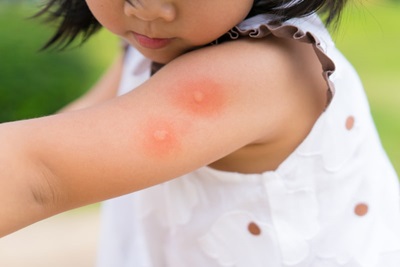
Mosquito bites typically appear almost immediately after a bite occurs. This is one of the distinguishing factors between these bites and other bug bites, such as bed bugs. The appearance of mosquito bites can vary from person to person, but for most, mosquito bites are usually inflamed, roundish, and white or red in color. Some may have a small dot in the center. Bites may have oddly shaped edges, as well, rather than perfectly round ones, and they may be scattered.
Why do mosquitoes bite?
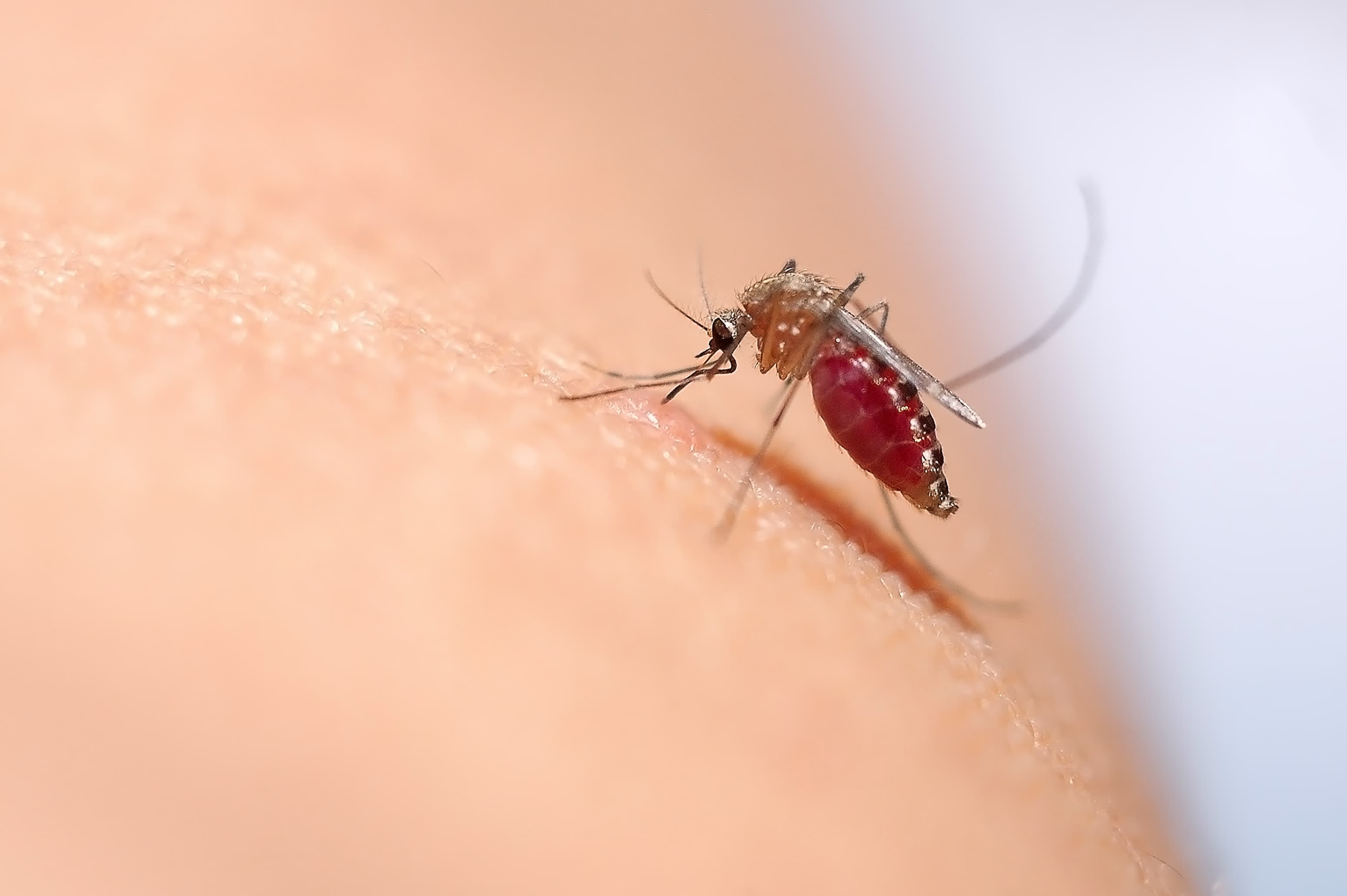
You might think mosquitoes exist only to bite you, but this isn't true. Only a small percentage of mosquitoes primarily bite people — most are more likely to go after smaller mammals, birds, amphibians, and reptiles. The reason why mosquitoes bite is actually not for survival. Mosquitoes feed on nectar and plant juices, but blood allows them to reproduce. This means only female mosquitoes bite as they require a blood meal in order to reproduce.
Why are mosquitoes attracted to humans?
Mosquitoes have finely tuned senses, and they use these to detect biological signals that help them locate hosts. Body heat, odor, and movement can all help a mosquito find you, but the actual beacons are the scent of carbon dioxide and chemicals in your sweat. Specific colors, like red, can even attract certain types of mosquitoes, so dark-colored clothing may make you an easier target.
Why do mosquito bites itch?
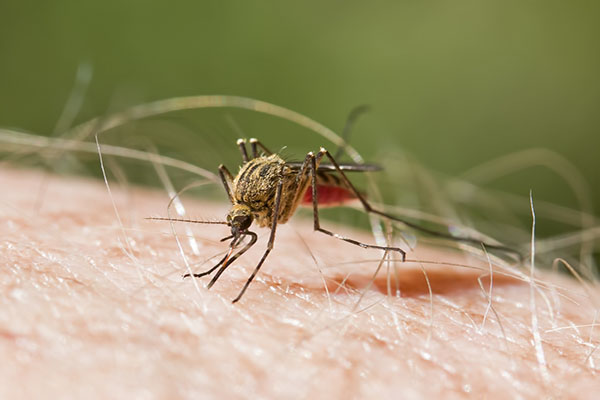
The culprit behind itchy mosquito bites is the insect's saliva. A mosquito bites you by inserting a straw-like structure into your skin and sucking out a tiny amount of blood. While biting, the mosquito injects some of its saliva into your skin. Your body's reaction to the saliva is what causes the bite to itch. Reactions to mosquito bites vary by person; some find them only mildly itchy, while others require treatment for a severe itch.

What mosquito bite symptoms should you watch out for?
Minor reactions to mosquito bites generally include swelling, redness, and itching. Children, people with compromised immune systems, or those severely allergic may experience more severe symptoms, including large areas of swelling and redness, low-grade fever, hives, and swollen lymph nodes. It’s important to continuously monitor your symptoms, especially if you have a known mosquito bite allergy.
Unfortunately, mosquitoes may carry pathogens that can cause diseases in humans. The most common mosquito-borne illness in the United States is the West Nile Virus. However, mosquitoes can also cause other illnesses like eastern equine encephalitis (EEE), dengue, chikungunya, and Zika (although not all these diseases are currently found in the U.S.).
Does a mosquito bite bruise?
While mosquito bites don't typically tend to bruise they may develop dark spots that resemble bruises. Depending on the person, mosquito bites may develop hard, itchy bumps or small blisters.
To treat mosquito bites, the CDC recommends an over-the-counter anti-itch or antihistamine cream, such as calamine lotion, to relieve the itching. You should always follow directions when applying these products.
How to treat mosquito bites
When dealing with mosquito bites, it's important to resist the urge to scratch them. Scratching can cause them to become infected, which can result in redness, warmth, and sometimes a red streak spreading from the bug bite site. To get rid of mosquito bites, the Center for Disease Control (CDC) recommends over-the-counter anti-itch or antihistamine creams such as calamine lotion. Most mosquito bite symptoms will resolve on their own in a couple of days. However, if the bites are accompanied by headache, body aches, fever, or signs of infection, it is best to seek medical treatment.
Home remedies for mosquito bites
If you don't want to use an over-the-counter cream, there are a few home remedies for mosquito bites. These include washing the area with soap and water and applying an ice pack to help reduce swelling. You can also make a paste using one tablespoon of baking soda and a small amount of water.
Apply the paste to the bug bite and remove it after about 10 minutes to help reduce itching.
How to prevent mosquito bites
One simple way to avoid the discomfort of mosquito bites is by taking preventive measures. By implementing a few easy tricks, you can keep those pesky bugs at bay and enjoy your time outdoors with ease. Here are some personal prevention measures to help you prevent mosquito bites:
Use mosquito repellent as directly labeled. It’s best to choose a repellent that has DEET, Picaridin, or oil of lemon eucalyptus (OLE).
Wear long sleeves, long pants, and socks when spending time in mosquito-prone areas. Light-colored clothing is less attractive to mosquitoes.
Treat boots, tents, and other gear with permethrin to provide extended protection against mosquitoes as directed by the product label. Use oscillating fans when congregating outdoors. Mosquitoes are weak fliers, and the strong currents may offer additional protection.
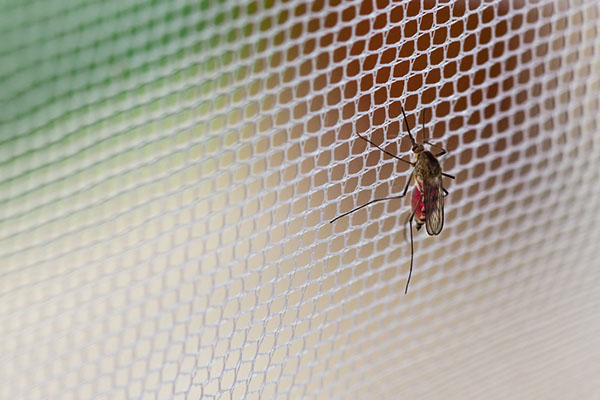
Install netting and screens around porches and patios to prevent mosquito entry altogether.
If you have a large mosquito population around your house, you may need more intense treatment, such as residual sprays and other methods used by pest control professionals. Don't spend your summer scratching mosquito bites — call Terminix® today. Contact us today to learn more about our mosquito control services.