

Mosquito facts, information, and photos
Content Updated: March 3rd, 2025
With the weather warming up, spending time outdoors becomes more appealing. However, pesky mosquitoes can spoil the fun by leaving itchy bites and potentially spreading diseases. Learn more about these pests, what attracts them, and how to help prevent mosquitoes from taking over your outdoor spaces.
What is a mosquito?
Mosquitoes, a widespread group of flying insects, encompass over 3,500 species globally. These insects can thrive indoors and outdoors, biting day or night based on the mosquito type. Mosquitoes are prolific breeders, laying their eggs in stagnant or slow-moving water sources. Only females bite to retrieve a blood meal to produce eggs.
Certain mosquitoes can transmit pathogens by “picking up” viruses or parasites from infected animals. When an infected mosquito bites a human, there is a risk of pathogen transfer. A mosquito bite typically leads to itching and swelling in humans.
What do mosquitoes look like?
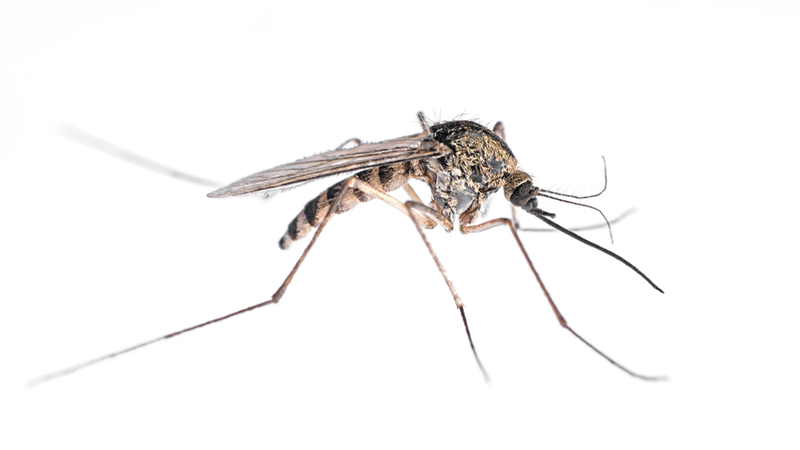
There are a few easy ways to identify mosquitoes. They have six legs and a pair of wings they use to fly. Their bodies are divided into three parts: head, thorax, and abdomen. Most adult mosquitoes range in size from one-quarter to one-half of an inch. One part of a mosquito that you may see with the naked eye is the straw-like structure that it uses to suck nectar or, in the case of female mosquitoes, pierce the skin and suck blood.
What are the differences between male and female mosquitoes?
Male mosquitoes are typically smaller and have hairier antennae than females. Males do not bite. Their proboscis, the straw-like structure used for feeding, is not strong enough to pierce the skin. Females bite because they need blood protein for the development of their eggs.
The mosquito lifecycle
Mosquitoes undergo four different life stages, with the first three happening near or in water. First, a female mosquito will lay eggs near water. A small container with a few drops is sufficient. Nourished by water microorganisms, larvae emerge from eggs once submerged. After four molts, larvae become pupae, where the adult mosquito develops. Upon flying for the first time, the adult mosquito seeks immediate food and a place for reproduction.
Where do mosquitoes prefer to breed?
Mosquitoes prefer to breed in stagnant or slow-moving water sources. Common breeding grounds may include ponds, marshes, and ditches. They may also deposit eggs in outdoor spaces around your home, utilizing artificial containers such as flowerpots, birdbaths, and clogged gutters. These environments allow mosquito larvae to develop into pupae and eventually emerge as adult mosquitoes. Mosquitoes only need a tablespoon of water to breed.
Where do mosquitoes live?
Mosquitoes inhabit various environments worldwide, ranging from urban areas to rural landscapes. Mosquito larvae thrive in aquatic environments. Depending on the species, adult mosquitoes may rest in vegetation, bushes, or other sheltered areas when not actively seeking a blood meal.
What attracts mosquitoes?
Mosquitoes know what they need and will fly right up your pants leg to get it. Females have receptors that detect carbon dioxide, a gas that every human exhales. Studies show that these same receptors also make it easy for mosquitoes to detect bare skin.
Mosquitoes are attracted to the smell of human sweat, which contains several attractive compounds such as lactic acid, a component found in fruit juice. Their complex sense of smell helps them find food. A blood meal is essential to the reproduction activities of a female mosquito.
Why do mosquitoes bite some people more than others?
Mosquitoes are drawn to individuals based on various factors such as body odor, carbon dioxide emission, body heat, and metabolism. Certain scents produced by bacteria on the skin make some people more attractive to mosquitoes. Additionally, metabolic rate and even blood type can influence mosquito preferences.
How to keep mosquitoes away?
Mosquitoes can be bothersome pests throughout the warmer months. Try following these tips to help prevent these unwanted guests from paying you a visit.
Clean out water containers every week to help prevent mosquitoes from laying eggs.
Eliminate unnecessary containers in your yard that could hold water.
Repair cracks and gaps in your septic tank so mosquitoes cannot get in and lay eggs.
Cover all water storage containers tightly.
Adult mosquitoes typically retreat to protected shaded areas. Trim dense vegetation and keep the grass cut short.
To help control mosquitoes inside your house, keep doors and windows closed unless they have a screen, and use air conditioning whenever possible.
What are common types of mosquitoes?
Four types of mosquitoes are common in the United States: Southern House, Northern House, Asian Tiger, and Yellow Fever.
The Southern House mosquito is prevalent in tropical regions and the southern U.S. states. They are primarily active at night and may carry pathogens that affect humans. The Northern House mosquito inhabits most of the U.S. and can survive through the cold weather. This mosquito type will primarily feed after dusk.
The Asian Tiger mosquito, identified by shiny black scales and silver-white markings, is present in the southeastern U.S., New York, and Arizona. Worldwide, this mosquito is known to transmit Zika virus and pathogens that cause Dengue fever and Chikungunya fever. The Yellow Fever mosquito resides in stagnant water containers in South Florida and 23 other southern states. It is primarily active during the day.
When are mosquitoes most active?
Across much of the country, mosquito activity typically starts in summer and extends into fall. In the warmer southern states, mosquitoes can remain active year-round. Depending on the species of mosquitoes, some are most active during the day, while others are most active at night.
What do mosquitoes eat?
Male mosquitoes eat only nectar and fruit juices. Their bodies use the sugar from their food to produce energy for survival. They do not bite humans or animals. In addition to nectar, female mosquitoes must consume protein. Depending on the type of mosquito, the female will bite people, animals, or both.
What are mosquito bite signs and symptoms on humans?
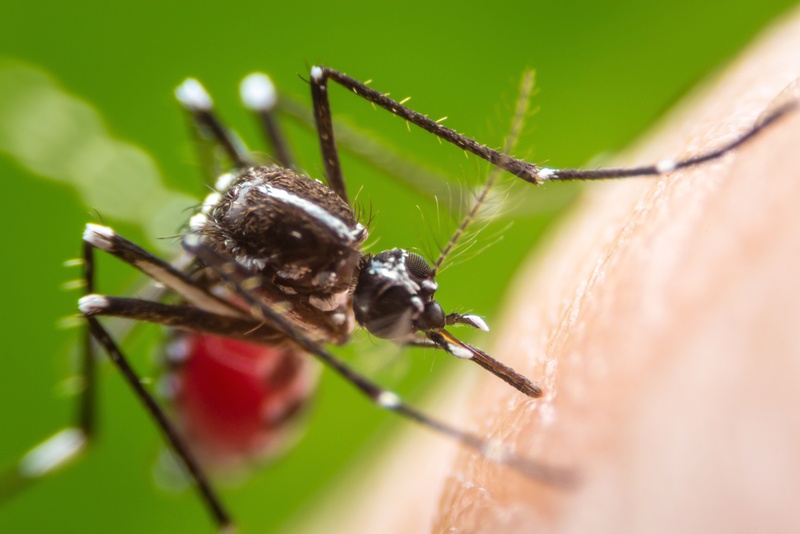
The itch of a mosquito bite may lead you to wonder what it's all about. Mosquito bites are a common occurrence, especially on children in warm weather. The area where the mosquito pierces the skin can become red, swollen, and itchy.
Typically, minor reactions to mosquito bites involve localized symptoms like swelling, redness, and itching. However, children or individuals with compromised immune systems or severe allergies may exhibit more serious responses, such as extensive swelling and redness, hives, swollen lymph nodes, and even a low-grade fever.
The CDC suggests using over-the-counter anti-itch or antihistamine creams like calamine lotion to treat mosquito bites.

What health risks or diseases come from mosquitoes?
Mosquitoes are known vectors for several diseases that can pose health risks to humans. Some of the diseases carried by mosquitoes include Malaria, Dengue Fever, Zika Virus, West Nile Virus, Yellow Fever, and Chikungunya.
These diseases vary in severity and geographic distribution, emphasizing the importance of mosquito control and prevention strategies to minimize health risks. Most of these diseases are rare, and few cases are found within the U.S., apart from the West Nile virus.
How Terminix treats mosquitoes
Mosquitoes can quickly take over your outdoor spaces, making it difficult to enjoy your yard. Our mosquito control treatments target both adult mosquitoes and larvae, helping to significantly reduce their populations. Using EPA-registered products, we treat key areas where mosquitoes rest and breed, such as:
Tall grass, shrubs, and shaded areas
Mulch beds and landscaping near your home
Standing water sources like birdbaths and fountains
Protect your yard with our Mosquito Repellent System
In addition to our standard mosquito treatments, we separately offer the Mosquito Repellent System,1 which provides continuous, long-lasting protection to serviced areas by releasing a mosquito-repelling barrier into the air. This system:
Repels mosquitoes in outdoor living spaces.
Covers large areas with multiple repellers for maximum protection.
Includes expert installation and maintenance for optimal results.
To get started, schedule your mosquito inspection with our experts!
Bundle mosquito and tick control to save
For complete pest control, we also provide a combined mosquito and tick treatment option, offering dual protection for your family and pets. Our targeted treatments:
Eliminate adult mosquitoes and ticks while disrupting their life cycles.
Focus on key areas like tall grass, mulch beds, wooded edges, and standing water.
Include expert recommendations to reduce breeding and resting sites.
Protect your family and pets from mosquitoes and ticks—purchase your treatment online today!
1Not available in all areas.