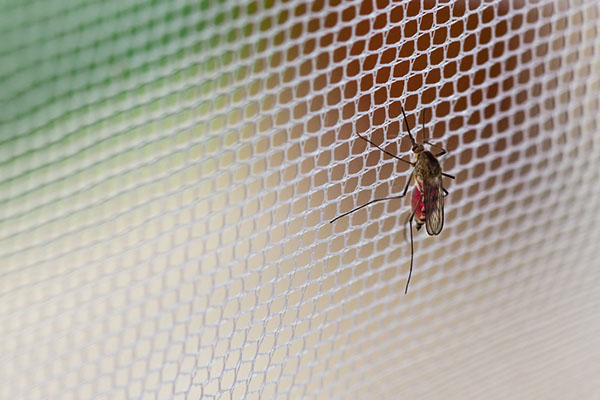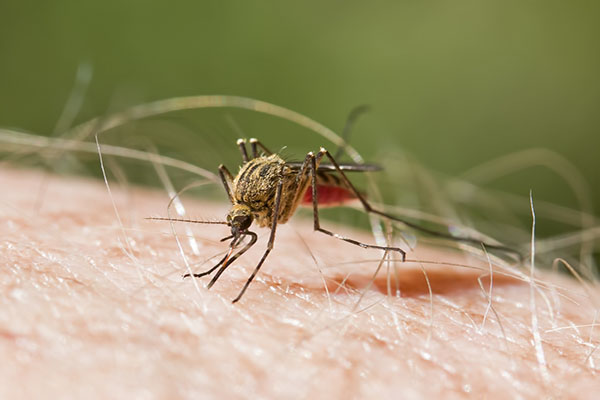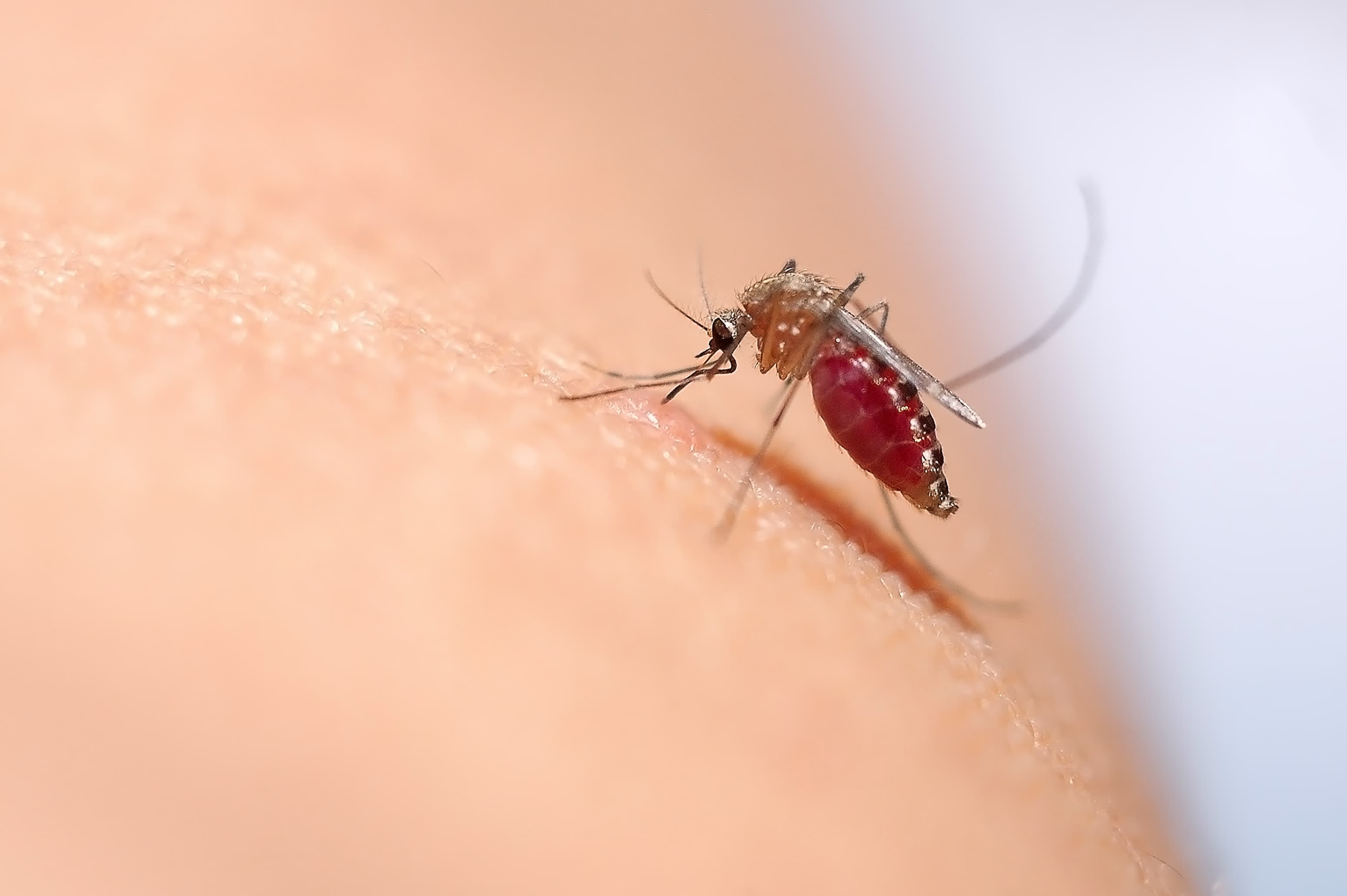
The period between June 1st and November 30th is hurricane season in the United States. Hurricane season can be devastating for homeowners, causing extensive damage to their property and leaving them with the daunting task of rebuilding and repairing. Although we expect and prepare for structural damage to our homes, many people may be unaware of another problem hurricanes bring – mosquitoes. After hurricanes, the activity of mosquitoes and other pests, such as rodents, can heavily increase.
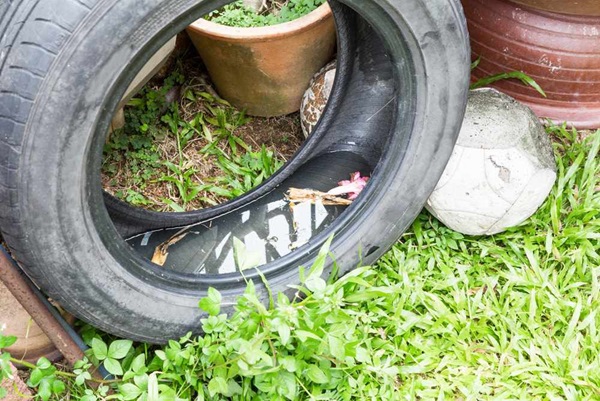
Standing water is the perfect breeding ground for mosquitoes, and hurricanes leave plenty of it behind. Mosquito control programs and government entities involved with disaster preparedness should have a plan for potential emergency mosquito control after a natural disaster, such as a hurricane. Protecting your property from pests is a crucial part of hurricane recovery efforts that cannot be overlooked.
Staying safe after a hurricane
After a hurricane, it's important to protect yourself from pests like mosquitoes and rodents. Not only can both mosquitoes and rodents carry diseases, but rodents can also cause additional damage to your home. It’s also important to use extreme caution and wear protective gear if working in flooded areas, as fire ants can relocate by floating during flooding.
Mosquito control after a hurricane
- Empty any standing water from your property, such as buckets, tarps, tires, and lawn equipment.
- Make sure water can drain properly from gutters, flower pots, ditches, and stormwater pipes.
- Wear long sleeves, pants, close-toed shoes, and light-colored clothing during recovery efforts.
- Apply EPA-approved insect repellents containing DEET, picaridin, or oil of lemon eucalyptus.
- Avoid being outside at dusk or dawn when mosquitoes are most active.
Post-hurricane structural tips to keep pests away
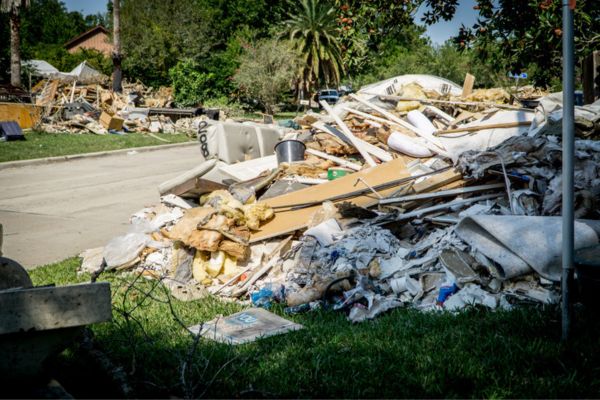
- Remove debris, including leaves, branches, and fallen trees, from the exterior of your property. This can attract pests that are looking for a new home.
- Prevent mold problems by removing excess moisture from your home. This can include saturated carpets, rugs, and furniture.
- Repair structural damage to your home as soon as possible. Any holes or gaps should be filled immediately to keep pests from entering your home.
- Clean out gutters and storm drains.
- Keep trash away from your home and keep trash bins clean.
Food safety
- Do not eat any fruits, vegetables, or unpacked food that has been exposed to flood waters.
- Packaged food, such as cereal boxes, flour, pasta, etc., should be discarded.
- Canned foods that have damage to their seams or swelling should be discarded.
- Cans with snap tops, pull tops, and home canned goods should not be consumed.
- If power was lost during the storm, refrigerated food should be discarded.
- Any frozen food that has thawed to above 41°F or for more than 4 hours is no longer safe to eat.
- Do not eat any food from gardens that have been exposed to floodwaters.
- All food contact surfaces and eating or cooking utensils must be disinfected before use.
- Discard wooden cutting boards, baby bottle nipples, paper napkins, and paper towels.
Do hurricanes increase the chance of mosquito-borne illnesses?
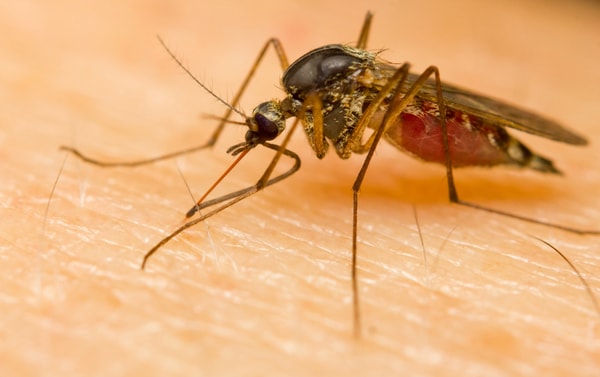
Hurricanes bring heavy rainfall and widespread flooding, ideal breeding grounds for mosquitoes. The increase in mosquito egg-laying sites inevitably increases mosquito populations and the risk of mosquito-borne illnesses. Although the hurricane likely kills many mosquitoes, standing water left behind overpowers existing mosquito eggs, stimulating hatching. Communities can expect to see the first round of mosquitoes seven to ten days after a hurricane. Newly emerged females will immediately seek a blood meal and start laying new eggs. This process will continue, and mosquito populations will multiply unless post-disaster mosquito control measures are implemented.
Large numbers of host-seeking mosquitoes can impede disaster recovery efforts by emergency workers. Power outages are common after hurricanes, and without air conditioning, hot outdoor temperatures may encourage the public to open windows, thereby increasing the chance of mosquitoes entering homes and biting people if no window screens are used. This can increase the chance of exposure to mosquito diseases and secondary infections that may occur as a result of a mosquito bite. To protect workers and public health, it may be necessary to conduct widespread mosquito control to suppress mosquito populations.
Protecting public health through mosquito control programs
Regardless of natural disasters like hurricanes, the threat of mosquito-borne diseases in the U.S. remains. The importance of sustaining long-term mosquito control and surveillance programs cannot be overlooked. By working together, we can help protect public health and reduce the risk of mosquito-borne illnesses like West Nile virus, Zika virus, and dengue fever.
In the event of a hurricane, Terminix will do all that we can to help our customers and neighbors in impacted areas.