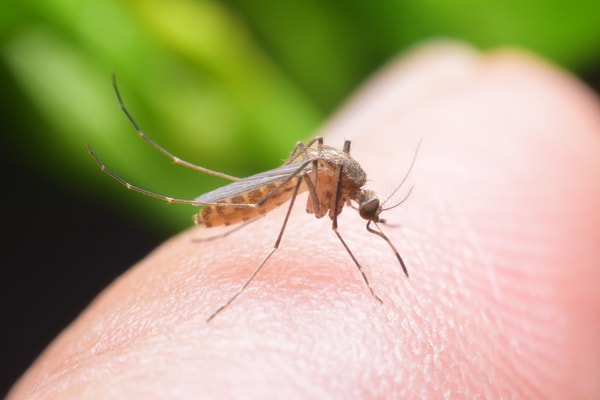
Mosquitoes
Can mosquito nets prevent bites?
For most of us in the United States, mosquitoes are nothing but annoying summer bugs. Sure, none of us like getting itchy bites, but we seldom fear serious illness as a result. Believe it or not, the Centers for Disease Control and Prevention (CDC) estimates that each year, there are about 2,000 cases of malaria diagnosed in the U.S.
The vast majority of these cases are likely travelers and immigrants returning from sub-Saharan Africa and South Asia, where malaria transmission is more likely to occur. Still, malaria isn't an issue Americans should ignore. In 2021, the World Health Organization stated that there were 247 million clinical cases of malaria and 619,000 deaths, most of them children in Africa.
Around the world, mosquito nets are a key tool in preventing mosquito-borne diseases from spreading. Mosquito netting or mosquito nets for beds are fine nets hung over a door, window, or (most commonly) a bed to protect the people inside from mosquito bites and the often deadly diseases the insects can carry.
Why are mosquito nets important?
Mosquitoes are notorious for spreading viruses and parasites ‐ making protection against these pests vital. Diseases like chikungunya, dengue, Zika, West Nile, encephalitis, and malaria are only a few of the many illnesses mosquitoes can spread to humans and other animals. There are also limited treatment options for these diseases ‐ the malaria vaccine has variable effectiveness, and there are no vaccines for other mosquito-borne diseases.
Mosquito nets can be an effective tool in reducing the overall number of mosquitoes in a community, making them an important part of public health efforts to control mosquito-borne diseases. This is particularly important for vulnerable groups like pregnant women and young children, who are at risk of devastating illnesses and even death from mosquito-borne diseases.

How do mosquito nets work?
Mosquito mesh is typically made from polyester, polyethylene, or polypropylene and creates a protective barrier around the people sleeping beneath them. Mosquito nets for beds work best when they are pretreated with a pyrethroid insecticide. According to the CDC, if more than half of a community uses an insecticide-treated bed net (ITN), the number of mosquitoes in the area and their lifespan will be reduced. This can help protect all members of the community, even if they aren't the ones using a bed net, the CDC says.
It's important to remember that mosquito netting should be re-treated or replaced every six months to a year. Long-lasting insecticide-treated bed nets (LLINs), however, can maintain their effectiveness for up to three years. These are regularly distributed through malarious areas and have been associated with a sharp decrease in malaria cases.
When should you use mosquito nets?
If you are staying in accommodations that are not adequately screened or air-conditioned, mosquito nets are essential for providing protection from mosquitoes. Mosquitoes are most active during dusk and dawn, making sleeping hours the most vulnerable time for mosquito bites. However, mosquitoes can also live indoors and bite at any time of day or night, but you can help stay protected by using an EPA-registered insect repellent and wearing long-sleeved clothing.
How can you help stop the spread of mosquito-borne diseases? Gathering the resources necessary to distribute mosquito netting is a big challenge. You can give individual donations through organizations like the CDC Foundation or Malaria No More. Every single mosquito net helps to lower the number of mosquito bites.

Why call a professional?
Mosquito-borne diseases can be dangerous, so it's important to take all necessary steps to prevent their spread. Our trained technicians at Terminix have the expertise and experience to identify potential mosquito breeding sites and help effectively control mosquito populations. With ongoing monitoring and maintenance, long-term mosquito control can be achieved.
Protect your family from these pesky insects ‐ get started with mosquito control to start living pest-free.
*Disclaimer: Treatments and Covered Pests defined in your Plan. Limitations apply. See Plan for details.