

How Much Attic Insulation Do I Need?
Attic insulation can act as a barrier that can help regulate the temperature inside a home, helping to keep it warmer in the winter and cooler in the summer. The high-quality cellulose attic insulation Terminix offers has been carefully designed with materials to help stop and kill certain pests when they contact it.1
The right amount of insulation in an attic is essential for maximizing these benefits. Insufficient insulation can lead to heat loss or gain, resulting in higher energy bills, an inconsistent indoor climate, and entry for pests.2 Let's explore the different types of insulation, the benefits, and how to determine which type is right for your home.
Understanding insulation basics
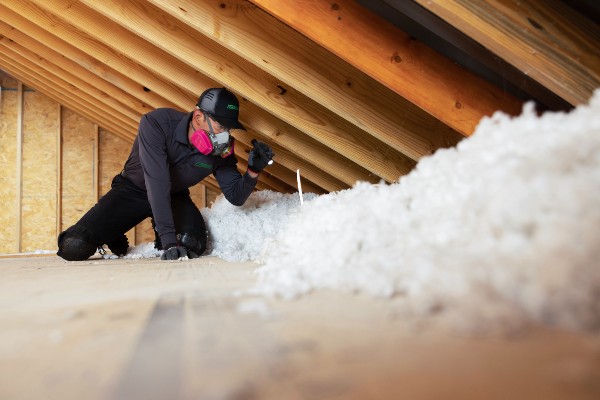
Attic insulation can help maintain a comfortable and energy-efficient home with the potential to help reduce pest intrusion.1 Understanding the various types of insulation and R-values can help you learn what options may be best for your home and specific needs.
Types of insulation we sell:
- Cellulose insulation is made from recycled paper products and provides excellent thermal resistance. This insulation for an attic is known for its high R-value, meaning it effectively blocks heat transfer.
- Fiberglass is a common attic insulation choice for homeowners due to its affordability and availability. It's made from recycled thin glass fibers spun into a fluffy material.
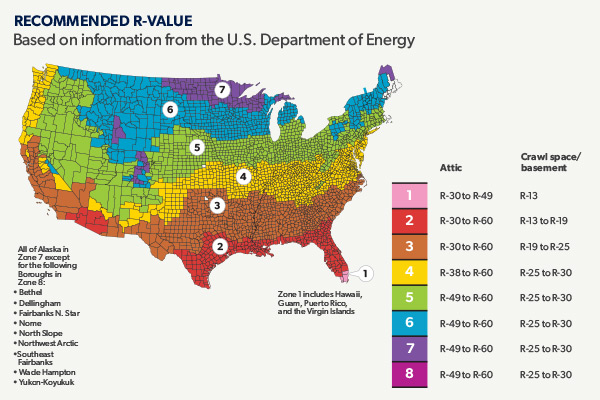
Another factor to consider when exploring insulation options is the R-value. This measurement indicates a material's resistance to heat flow. The higher the R-value, the better the insulation. The optimal R-value for a home varies depending on your geographic location. Colder climates typically require higher R-values to combat harsher winter temperatures, while warmer regions can benefit from lower R-values to maintain indoor comfort.
Before installing new insulation, consider consulting a professional to answer the question, "How much insulation do I need?” Our experts can determine the best type of insulation for your home. Schedule your inspection today!
Calculating how much insulation you need
Several factors can influence the amount of insulation needed in an attic, including the local climate, building codes, home design, existing insulation, insulation material type, and more. Terminix professionals will help develop a customized plan tailored to your home and specific needs.
How much insulation do you have now?
The amount of attic insulation in your home depends on factors like age and construction standards when it was built. Older homes tend to have less insulation because energy efficiency standards were not as stringent, while newer homes are typically built with more insulation to meet modern building codes.
What temperate zone do you live in?
The United States Department of Energy divides the country into eight climate zones, ranging from Zone 1 (warmest) to Zone 8 (coldest). Each zone has specific insulation recommendations to ensure energy efficiency based on the local climate. Zones 1-4 generally cover warmer climates, while 5-8 encompasses the cooler to coldest climates.
What type of insulation are you using?
After reading through this page, you may be wondering, “How much attic insulation do I need?” The type of insulation you choose affects how much you'll need to properly insulate your home because different materials have different R-values. The material you pick influences the thickness, cost, and specific advantages.
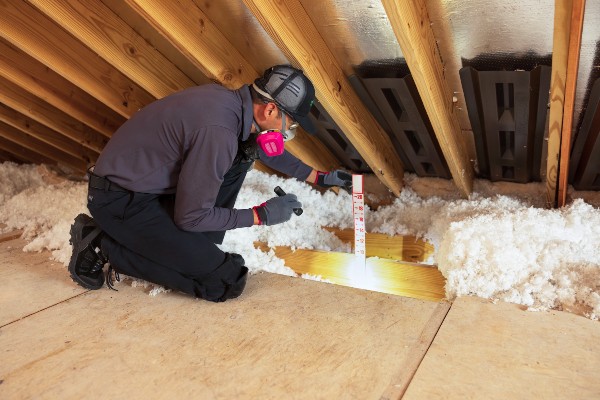
Our experts can help determine how much insulation you need and the best type for your home, among other factors. Schedule an inspection with a Terminix professional today!
1Insulation's control effect begins only after affected insect/arthropod contact with insulation. Visit https://www.terminix.com/home-services/attic-insulation/ to learn more about affected insects/arthropods. Product brand availability varies by location. Control of affected insects/arthropods is limited to contact with insulation and does not extend outside of the insulation. Use of insulation does not substitute for holistic pest management. For active pest infestations, you should consult a licensed pest control operator.
2Savings vary and depend on use patterns, the home's current insulation, home and system efficiency, and products purchased.