

What Are Wood Cockroaches?
Wood cockroaches are commonly found in North America and typically reside outdoors in wooded areas under loose bark, rotting logs, leaf litter, and mulch. While they generally threaten human health and property less than their indoor counterparts, understanding wood roaches is crucial for effective roach control and prevention.
Identifying wood roaches
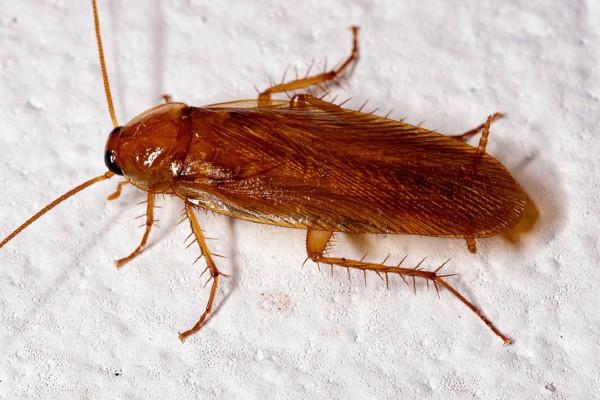
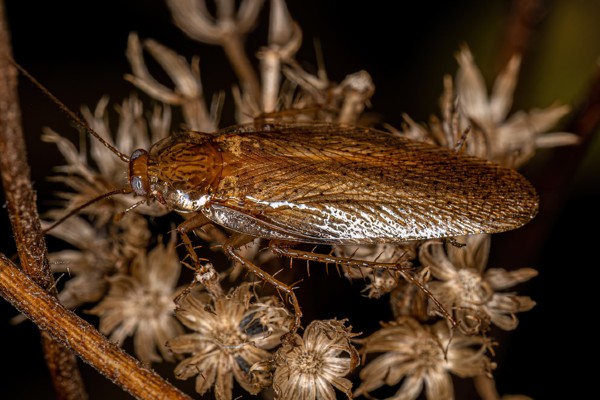
Wood roaches are light brown and have a slightly flattened appearance. Adults can measure between three-quarters of an inch to an inch long. Males and females have long antennae and spiny legs. Males can fly, but females cannot.
Wood roaches can be found throughout the United States, particularly in the eastern and central regions. They thrive in temperate climates and live in moist, decaying organic environments like leaf litter and rotting wood. While the wood roach prefers outdoor environments, they can occasionally enter homes. When they do, they can be found:
Near entry points like doors and windows, especially those with gaps or cracks.
Around woodpiles, firewood stored indoors, or wood-burning fireplaces.
In basements, garages, or other areas with high humidity that also provide access to organic debris.
Wood roach behavior
Wood roaches primarily feed on decaying organic matter. Their diet includes:
Rotting wood
Leaf litter
Decaying plant material
Dead insects
Fungi and mold
This roach exhibits several distinct behavioral traits:
Attracted to light: Unlike other cockroach species, they are attracted to light and may be seen in shaded outdoor areas during the day.
Moisture preference: These roaches thrive in moist environments and are often found in areas with high humidity, such as under logs, leaf litter, and mulch. Indoors, they may be attracted to basements, garages, and other damp areas.
Limited indoor survival: Wood roaches do not adapt well to indoor environments. They do not breed indoors and are more likely to enter homes accidentally.
Wood cockroach life cycle
The life cycle of wood roaches includes three stages: egg, nymph, and adult.
Egg: Females lay their eggs in brown, cylindrical cases called oothecae. They’re deposited in protected outdoor environments like under bark or in rotting wood.
Nymph: Nymphs undergo several molts as they grow and resemble smaller versions of adults without fully developed wings. This stage can last several months to over a year.
Adult: Wood roaches have reproductive organs once fully matured, and males have developed wings. Adults can live for several months.
Why am I seeing wood roaches in my home?
You may be seeing wood roaches in your home because they are attracted to light, moisture, and decaying organic matter. You’ll encounter male wood roaches more frequently because they fly towards lights during mating season. They often enter through cracks, gaps, open doors, and windows, especially those without screens.
Bringing in firewood, lumber, or other outdoor materials without inspecting them can also introduce wood roaches into the home. Vents, utility openings, and structural gaps around pipes and HVAC systems can provide easy indoor access for these roaches.
Are wood roaches dangerous?
Wood roaches are generally not considered a significant danger to humans and pets, but their presence can be unsettling. They play key ecological roles by decomposing organic matter, aerating soil, cycling nutrients, and serving as a food source for predators.
How to help get rid of wood roaches
Wood cockroaches are not known to cause infestations inside homes as frequently as other cockroach species, such as the German or American cockroach. They thrive outdoors and typically do not reproduce or establish significant populations indoors.
However, under favorable outdoor conditions, their populations can increase rapidly. To help prevent wood roaches from entering your home, consider the following tips:
Seal cracks and gaps in the foundation, walls, and around doors and windows.
Install or repair screens on windows and doors.
Store firewood and lumber away from the house and inspect it before bringing it inside.
Keep outdoor lights off when not needed or use yellow “bug” lights, which are less attractive to insects.
Ensure proper drainage around the home to reduce moisture levels.
Regularly clean up leaf litter, mulch, and other decaying organic material near the house.
If you live near a wooded area and wood roaches frequently enter your home, contact your local Terminix branch to help determine the most effective treatment options for the exterior of your home.
Cockroaches1 are among the 25 pests covered with a Terminix PestFree365 pest control plan.2 Our ongoing pest protection plans can help protect your home from pests with multipoint interior and exterior inspections and regularly scheduled pest treatments.
1If infestation of bees, fleas, indoor ticks, cockroaches, brown recluse spiders, carpet beetles, fabric moths, stored product pests, mice, or rats present at time of initial inspection, a curative upcharge will apply.
2Coverage includes: "House" Ants, Bird Mites, Indoor Ticks, Cockroaches, Carpet Beetles, Fabric Moths, Overwintering Insects, Ground Beetles, Centipedes, Crickets, Earwigs, Firebrats, Millipedes, Clover Mites, Pillbugs/Sowbugs, Psocids, Scorpions, Silverfish, Paper Wasps, Springtails, Spiders, Stored Product Beetles, Stored Product Moths, Mice, and Rats.