Cockroaches
Where Do Roaches Come From & How They Get In
Roaches seek out food, water, and shelter, which makes homes a prime target for infestations. But where do cockroaches come from and how do cockroaches get in your house?
If you notice roaches in your home, it may seem like they appeared out of nowhere. Cockroaches are nocturnal, so their nighttime activity might go unnoticed until a large population is present. Their rapid breeding cycles can also lead to a sudden population surge. Additionally, construction or renovations can disturb their hiding places, causing them to seek shelter indoors.
To help keep roaches out of your home, you must be able to recognize the early signs of an infestation and act quickly if there are any. Terminix’s roach control services can help eliminate these pests from your home and help prevent them from returning.
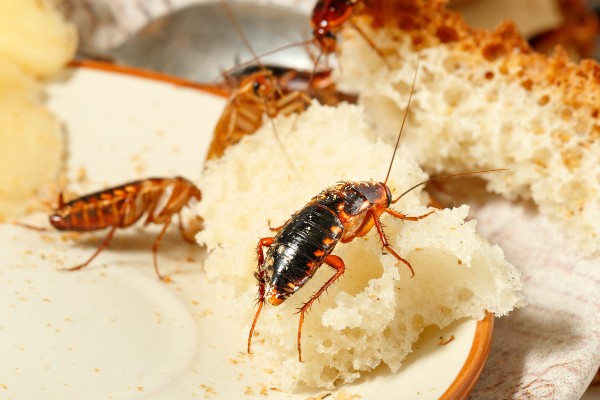
Where do cockroaches come from?
Cockroaches thrive in warm, humid environments and are commonly found in tropical and subtropical regions. Roaches in the house prefer dark, warm, humid places like basements, kitchens, and sewers. These pests may have been present in your home before you arrived, and they can also come from neighboring properties or directly from outdoor areas.
How do roaches get in the house?
When you see a cockroach in your home, you may wonder how do roaches get in your house. Many houses have entry points that are easily accessible to roaches, including:
- Cracks and gaps: They enter through small cracks and gaps in walls, floors, and foundations.
- Open doors and windows: Roaches can slip in through doors and windows left open or without screens.
- Plumbing and vents: They travel through plumbing pipes, drains, and vents.
- Grocery bags or packages: Roaches can hitch a ride on bags, boxes, and packages brought into the home.
- Second-hand furniture: Used furniture may be infested with roaches or their eggs.
- Basements and garages: They often enter through basements and garages, which are more accessible.
- Neighboring infestations: Roaches from nearby homes or apartments can migrate to yours.
What attracts cockroaches to your home?
Like every living creature, cockroaches need food, water, and shelter to survive. Roaches are omnivorous and can eat many things that most people wouldn't normally suspect, including wallpaper glue and even human or pet hair.
They seek out sources of crumbs, grease, leftover food, and standing water or leaks. Open food containers, dirty dishes, and left-out pet food can also attract cockroaches.

Where do cockroaches hide?
Spotting a roach in the house can be tricky because they are masters at hiding. Roaches prefer cluttered, warm secluded areas away from people and light, such as dark crevices, cracks, and corners, making appliances a great place to hide. If there's access to water nearby, that makes it an even more ideal nesting spot.
Each cockroach species has a preferred environment, which is why it is so important to call a pest control professional. They can quickly recognize which species of roach is present in your home. Cockroach species commonly found indoors include the German cockroach, the Oriental cockroach, the brown-banded cockroach, and the American cockroach.
German cockroaches
German cockroaches are the most common indoor roaches, particularly in multifamily residences. German cockroaches prefer dark, warm, and humid places near food and water. They're usually found in kitchens and bathrooms. Check cracks and crevices in cabinets, near sinks or appliances, or in food preparation and storage areas.
Oriental cockroaches
Oriental cockroaches prefer cool, damp, and dark places. Outdoors, you'll find them in areas where there's organic matter, such as mulch and woodchips, underneath patio bricks and sidewalks, and between soil and the foundation. You may also see them in basements and crawl spaces near leaky water pipes, under sinks, refrigerators, washing machines, and floors.
Brown-banded cockroaches
Brown-banded cockroaches prefer warm and dry places. They live in high or elevated areas, typically at eye level or above. They may be hiding in cabinets and pantries, closet shelves, among books, and in shower stalls. This roach can also leave small, dark, cylindrical droppings in homes.
American cockroaches
American cockroaches are known to inhabit restaurants, grocery stores, bakeries, or anywhere food is prepared and stored. They prefer warm, moist spaces in areas like boiler rooms, basements, around pipes and water heaters, and near wet floor drains. They are also common in sewer systems.
Why do I have roaches in my clean house or apartment?
While a dirty house may be more attractive to roaches, even a perfectly clean home can draw in these pests. A clean home or apartment can still have a water source (i.e., a leaky pipe), a food source, items that provide shelter (i.e., wood, cardboard), and a nice dark corner for roaches to call home.
Cockroaches can carry pathogens that can cause disease, including foodborne illness. They also produce various allergens that can trigger allergies and even asthma attacks from discarded exoskeletons and feces that they leave behind.
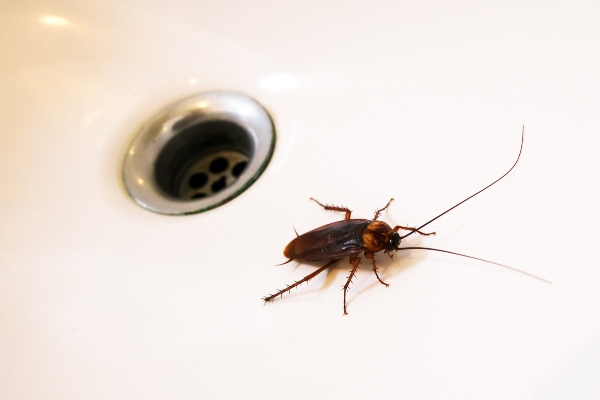
How to help get rid of roaches in your home or apartment
To effectively eliminate roaches in the house, you need to know which species is present. Here are some general tips that can help prevent roaches from infesting your home.
- Discard empty boxes and cardboard immediately. These are a favorite breeding ground for roaches.
- Seal holes in common walls between apartments and around plumbing pipes.
- Use window screens and seal openings around doors and windows.
- Immediately clean up spilled food and crumbs, and don't leave dirty dishes out overnight.
- Store food in airtight, sealed containers.
- Put garbage in a sturdy container with a tightly fitting lid.
- Fix leaks in pipes and faucets, and use a dehumidifier to reduce humidity levels in damp areas like basements and bathrooms.
Cockroaches are one of the 25 pests covered by our ongoing pest control plan, PestFree3651 Our plans provide multipoint interior and exterior inspections and regularly scheduled pest treatments. Don't wait to act if you're experiencing signs of an infestation!
1Coverage includes: "House" Ants, Bird Mites, Indoor Ticks, Cockroaches, Carpet Beetles, Fabric Moths, Overwintering Insects, Ground Beetles, Centipedes, Crickets, Earwigs, Firebrats, Millipedes, Clover Mites, Pillbugs/Sowbugs, Psocids, Scorpions, Silverfish, Paper Wasps, Springtails, Spiders, Stored Product Beetles, Stored Product Moths, Mice, and Rats.