

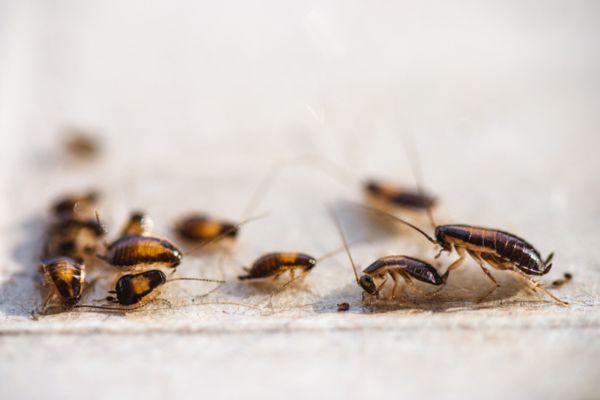
What animal or pests eat cockroaches?
Cockroaches might be unwelcome guests in our homes, but these pests play a significant role in the food chain. Cockroaches serve as a crucial source of nutrients for a variety of animals and pests. The list of cockroach predators is surprisingly diverse, encompassing animals and insects alike from different habitats and ecosystems. Learn more about what eats cockroaches and the hunting habits of animals that eat roaches.
Natural predators of cockroaches
Despite being one of the most resilient pests, roaches are not free from natural predators. Among the most common consumers of roaches are spiders and lizards, with cockroaches making up a large portion of their diet. Let’s take a look at what eats roaches:
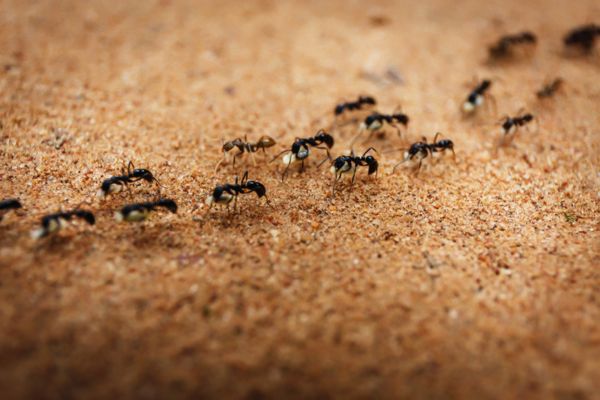
Ants: Primarily, ants hunt in large groups, relying on their numbers to overwhelm their prey. When hunting roaches, they use their strong mandibles to hold and tear apart the roach. Due to their social nature, ants can quickly alert the rest of their colony to a potential food source, ensuring a collective effort in subduing the roach and then carrying pieces back to their nest.
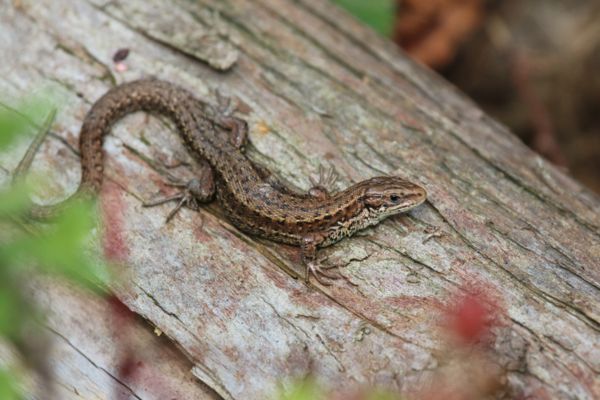
Lizards: Lizards employ a more solitary approach when hunting. They rely on their stealth and speed to catch and eat roaches. Many lizards have keen eyesight or use other senses to detect their prey before lunging or darting out to snatch the roach up in their mouths. Depending on the lizard, they may swallow the roach whole or bite it to immobilize it before consumption.
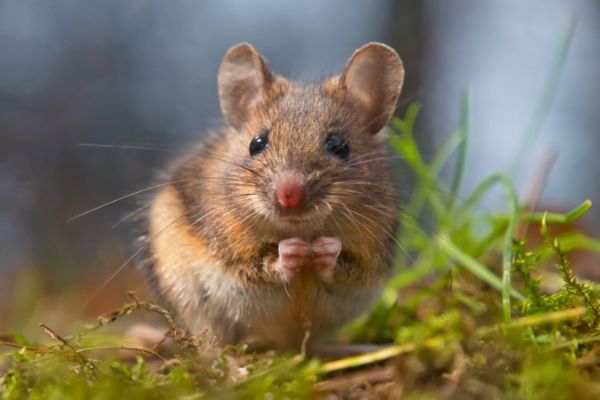
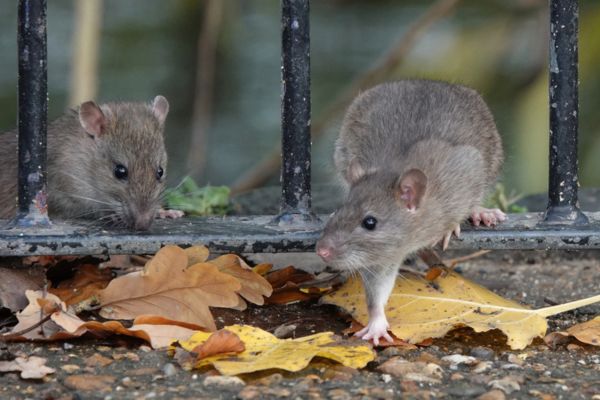
Mice: Mice are opportunistic feeders and not typically predatory towards insects like roaches. However, when food is scarce, they might hunt small insects. Mice mostly hunt by using their senses of smell and touch to locate potential food sources and can use their strong incisors to kill the roach before consuming it.
Rats: Like mice, rats are opportunistic and might consume roaches when other food sources are unavailable. Rats eat roaches by catching them with their paws and then deliver a killing bite with their strong jaws and sharp incisors. Rats are adept hunters, utilizing their excellent senses of smell and touch to locate prey in the dark.
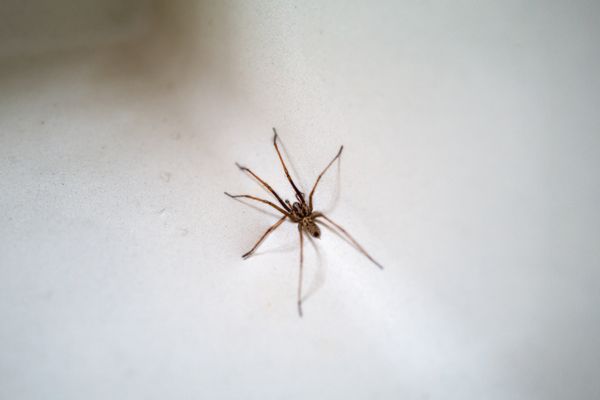
Spiders: Spiders employ various hunting tactics depending on the species. Many build webs to passively capture prey like roaches. Once a roach becomes ensnared in the web, the spider quickly immobilizes it with venom before encasing it in silk. Other spiders, such as the wolf spider, hunt actively, using speed and stealth to pounce on roaches. In both cases, spiders inject digestive enzymes into the roach to liquefy its insides, which are then sucked out, leaving behind the empty exoskeleton.
Removing roaches from your home without predators
While it may be tempting to enlist the help of roach predators as a natural way to control cockroach populations, it can create more challenges in the long run. Maintaining cleanliness, sealing entry points, and eliminating food sources are all effective ways to keep roaches at bay.
If roaches have taken over your home, Terminix can help. Our technicians are trained to safely and effectively remove these pests from your home. Plus – cockroaches are one of the many pests covered by our PF365 and PF365+ plans.1 Start protecting yourself from pests today.
1 Covered Pests defined in your Plan. Automatic payment sign up is required for PestFree365+. Voles and fire ants are only covered if they are in the home, we will not treat the lawn. Homes must be free of bed bugs at the initial service to qualify for coverage of bed bugs under the PestFree365+ Plan. Applies to single family, free-standing, owner-occupied homes only. Account must be in good standing. Other limitations may apply. See Plan for details.