Cockroaches
Understanding and eliminating roach odor
Content Updated: February 12th, 2025
Did you know cockroaches have a distinctive smell? This odor comes from chemicals called cuticular hydrocarbons, which are found on their bodies and legs. These chemicals play an essential role in cockroach communication, helping them signal the location of food, shelter, and potential mates.
So, why do roaches have an odor? It’s a combination of their pheromone production, waste, and secretions, all of which create a scent that’s both unsettling and unmistakable. The scent isn’t limited to live cockroaches. Even after an infestation has been dealt with, the unpleasant cockroach smell can linger due to the presence of these same hydrocarbons in their feces and shed skins. This smell is one of the reasons cockroaches tend to gather in clusters, as the chemical signals left behind act as a homing beacon for others.
While the smell is unpleasant, it can help alert you that you may have a cockroach infestation. If roaches have invaded your home, our professionals can identify the species present, determine how they’re getting inside, and create a customized treatment plan to help eliminate and prevent their return.
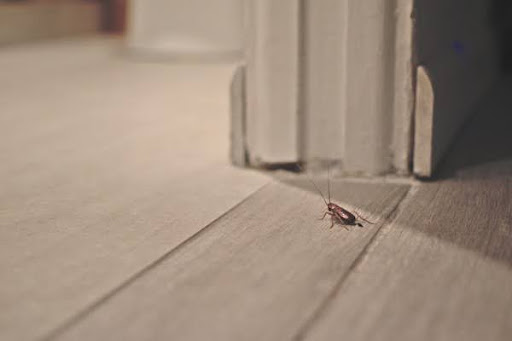
What do roaches smell like?
So, what do roaches smell like? Their odor is often described as a musty, oily, or slightly sweet scent that is unpleasant yet distinct. Do cockroaches smell bad? It varies by person—some people compare it to the smell of mildew or rotten wood, while others note a lingering earthy aroma.
You can usually tell the smell is from cockroaches if it persists despite cleaning or if it’s strongest in areas where roaches tend to hide, such as:
Bathrooms: Roaches are drawn to moisture, so their odor may be noticeable near sinks, drains, or in cabinets.
Kitchens: Crumbs, food particles, and grease can attract roaches, making their scent stronger near appliances, pantries, and trash bins.
Dark, hidden spaces: Basements, crawlspaces, and storage areas are common places for roaches to congregate.
The cockroach smell can become more intense with a larger infestation because it builds up from feces, shed skins, and the hydrocarbons they secrete. If you notice a musty odor that doesn’t go away with regular cleaning, it may be time to investigate for signs of cockroaches.
How to get rid of that cockroach smell
To help eliminate the foul cockroach smell, you must first eliminate the source. Here are some tips to help clean up the scent and prevent future infestations:
Deep clean affected areas: Focus on scrubbing kitchens, bathrooms, and other infested spaces using warm, soapy water and disinfectant. Pay special attention to cracks, crevices, and hidden areas where roaches may have nested. You should remove any dead roaches as soon as you find them and clean the area to ensure other roaches don’t track their path.
Vacuum thoroughly: Use a vacuum to remove roach droppings, shed skins, and other debris from floors, cabinets, and corners. Dispose of the vacuum bag immediately after use.
Deodorize with natural solutions: Baking soda, white vinegar, or activated charcoal can help neutralize odors. Place these items in small bowls near affected areas to absorb lingering smells.
Ventilate and refresh: Open windows to air out musty spaces, and consider using an air purifier to help eliminate odor particles in the air.
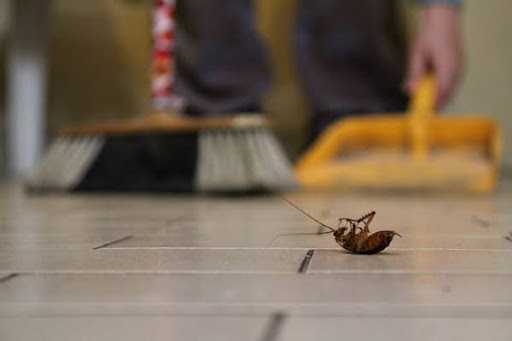
To help prevent future infestations, you can also:
Seal entry points: Inspect and seal cracks, crevices, and gaps around doors, windows, and plumbing to help prevent roaches from entering your home.
Eliminate food and water sources: Store food in airtight containers, clean up crumbs, and fix leaks to make your home less appealing to roaches.
Use traps or baits: Use sticky traps or gel baits to monitor and reduce cockroach activity.
While DIY cleaning and prevention can help, eradicating a cockroach infestation often requires professional expertise. Our roach control services are designed to help eliminate infestations and prevent them from returning. Schedule an inspection for your home today!