Cockroaches
Identifying the different types of roaches
There are more than 4,500 types of roaches in the world, of which only around 69 species are found in the United States. While that number is still high, the good news is you only have to worry about five or six different cockroach species, depending on which state you reside in.
This handful of troublesome cockroach species can quickly become a nightmare for any homeowner. For every roach you can see, there's a good chance there are dozens, even hundreds, in your home that you can't see. While all roaches might look the same as they scatter when you turn on the lights, knowing the difference between the most common types of roaches in your home will help you choose the most effective pest control methods.
Why should I know the type of cockroaches?
Knowing the type of cockroach infesting your property is crucial for effective pest management. Different cockroach species have varying behaviors, habitats, and responses to treatment, so identifying them can help you create a targeted strategy for eradication. However, if you are having trouble identifying the species, the experts at Terminix can identify them and create a custom treatment plan.
General characteristics of all cockroach species
Before you begin doing anything, you should be sure you are dealing with cockroaches. Roaches can be mistaken for other insects, such as grasshoppers, beetles, or crickets.
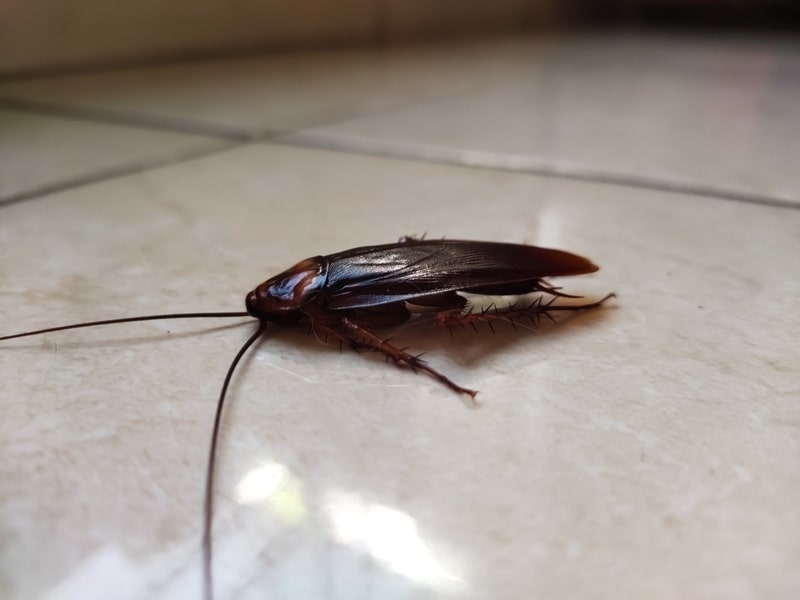
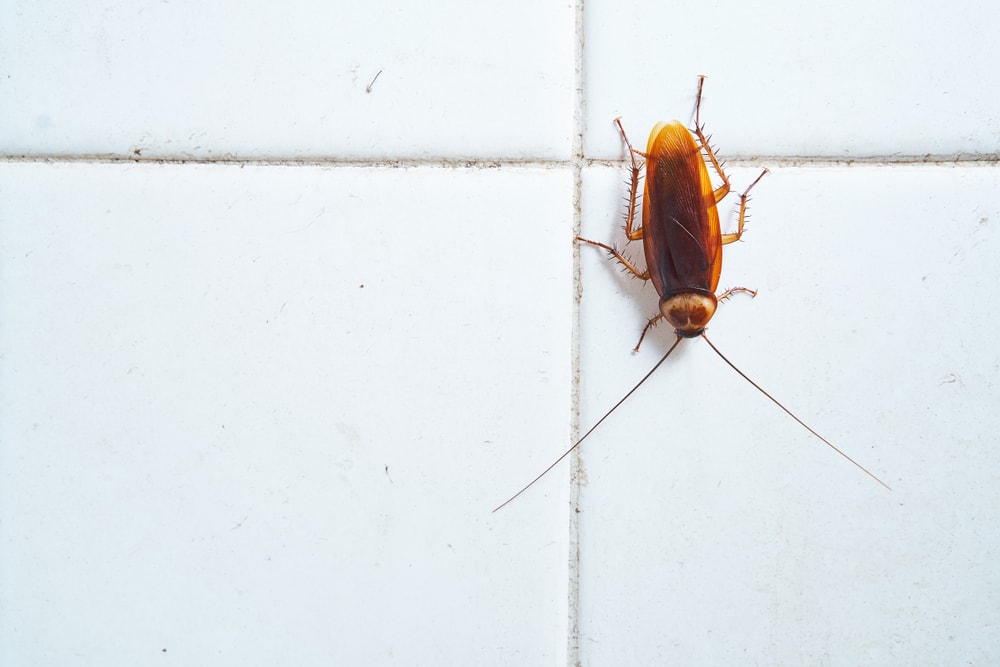
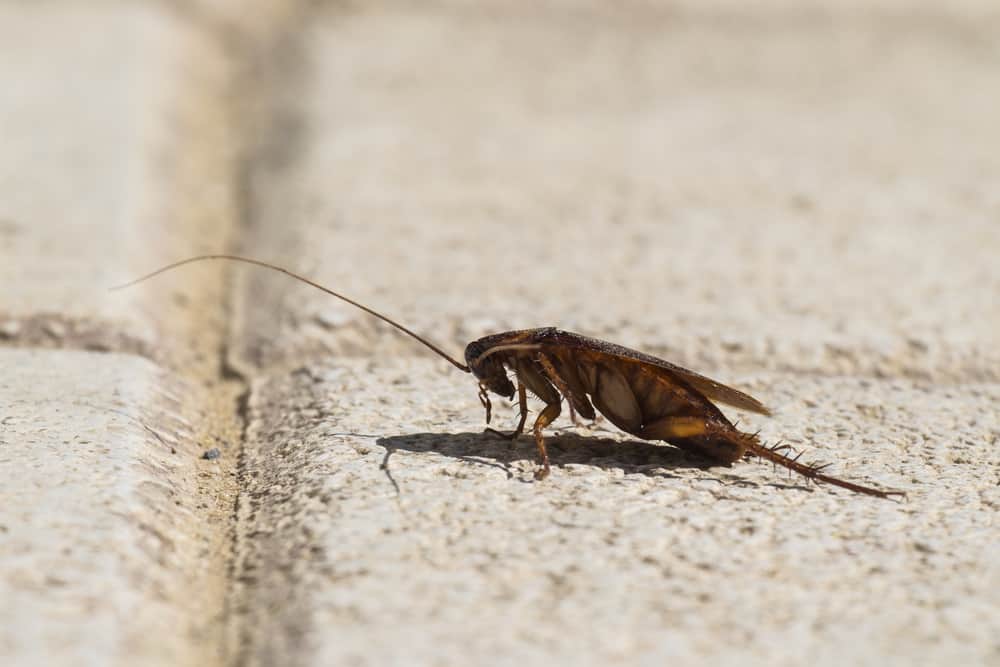
Cockroaches have flattened, broad bodies with long antennae and long hind legs. Each of their six legs has tiny sensory hairs. Adult roaches have wings that fold flat on their backs, but not every type of cockroach can fly. One of the most distinctive features of a cockroach is the shield-shaped pronotum located directly behind the head. It varies by cockroach species, but most roaches are brown or black and range from 0.07” to 3” long.
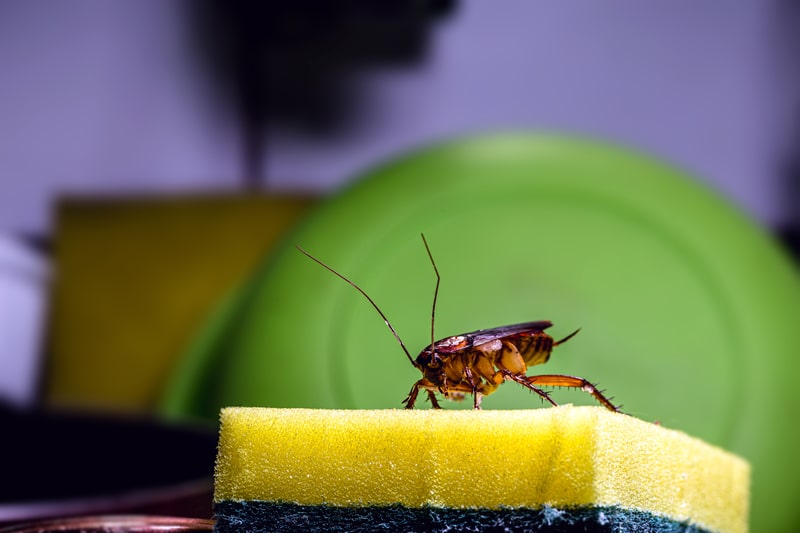
Cockroaches typically prefer warm, humid environments with access to food and water. They are commonly found in kitchens, bathrooms, basements, and areas with clutter or stored items. They may also inhabit cracks and crevices in walls, floors, and furniture.
Common types of cockroaches throughout the U.S.
While numerous cockroach species exist worldwide, we'll focus on some of the more prevalent types of roaches, providing insights into their habits, habitats, and behaviors.
Cockroaches are either domestic or peridomestic. Domestic cockroaches live inside homes or buildings, like the German cockroach. Roaches that live inside and outside or temporarily inside structures are considered peridomestic. Common peridomestic species are the American cockroach, the smoky brown cockroach, and the oriental cockroach.
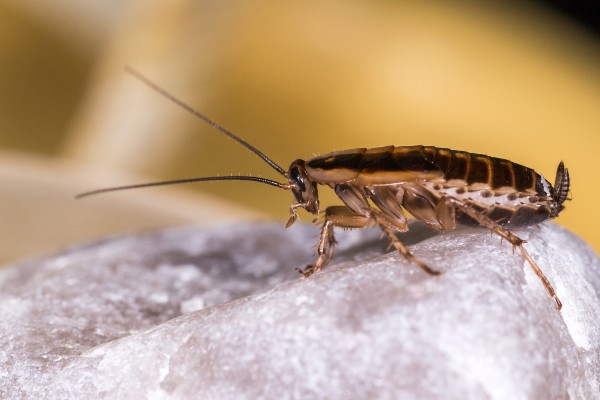
German cockroaches
The German cockroach, the most common type of cockroach in America, poses a significant threat due to its rapid breeding ability. With just one female infiltrating a home, over 30,000 offspring can be produced within a year despite many not surviving long. Their persistent nature stems from the female carrying eggs until they hatch, making eradication challenging.
- Appearance: This type of cockroach is 0.6” long on average. German cockroaches are light brown with two dark stripes on their pronotum. These cockroaches cannot fly, but they can flutter their wings slightly if they fall.
- Location: The entire United States.
- Preferred habitat: These roaches can be found in indoor areas near water and humid spaces with food nearby, such as kitchens, storage areas, and living rooms.
- Entry method: Typically, this cockroach species is carried inside on packages, clothing, purses, used furniture, etc., but they can also easily spread through walls in multifamily dwellings.
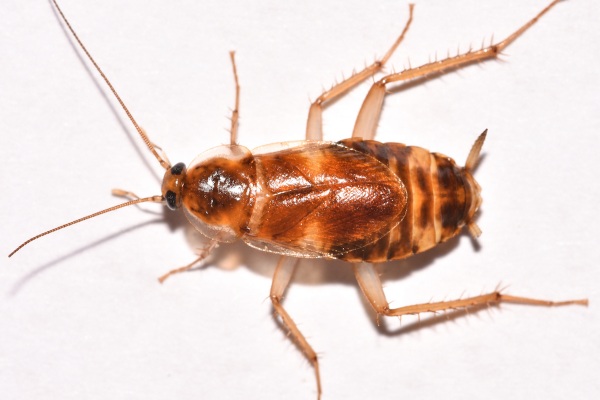
Brown-banded cockroaches
Brown-banded cockroaches are notorious for infesting pantry and storage areas. This type of cockroach can trigger allergic reactions and worsen asthma, particularly in children. Their rapid reproduction and the female's habit of attaching small egg capsules to surfaces make infestations challenging to control.
- Appearance: They are about a half-inch long. Males are dark-brown at their base and golden tan toward the wing tips. Females have reddish-brown wings and dark-brown bodies. Males and females have two light-yellow bands on their wings, abdomen, and sides of the pronotum. Only males can fly but are more likely to jump.
- Region: The entire United States.
- Preferred habitat: This cockroach species prefers warm and dry environments. They are commonly found in indoor spaces such as kitchens, bathrooms, and other areas with access to food, water, and shelter. They seek refuge in secluded spaces like cabinets, closets, and behind appliances.
- Entry method: Brown-banded cockroaches are introduced in similar ways that German cockroaches are. They're commonly carried inside on packages, clothing, used furniture, cardboard boxes, and grocery bags.
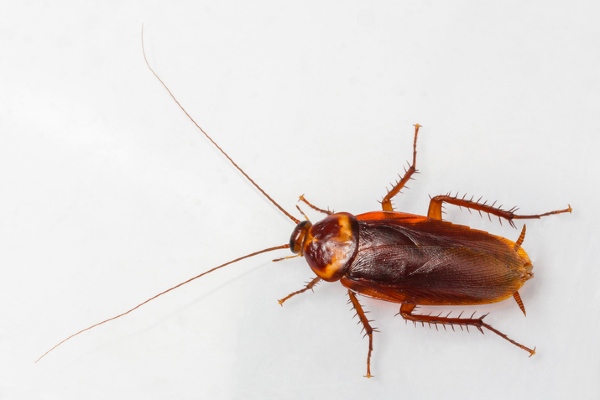
American cockroaches
Though not the most common cockroach in American homes, the American cockroach is the largest. They can survive up to two years, which is much longer than other cockroach types. These roaches are commonly called "palmetto bugs," and spotting one can be particularly alarming.
- Appearance: These cockroaches measure about one and a half inches long but can grow to two inches. They're brown to reddish-brown and have light-yellow edges on their pronotum. Males and females can fly.
- Region: The entire United States.
- Preferred habitat: The American cockroach prefers the outdoors but loves warm, damp areas, such as sewers, drains, kitchens, laundry rooms, basements, and bathrooms.
- Entry method: This cockroach species can come in under doors, basement windows, garages, or through sewer systems.
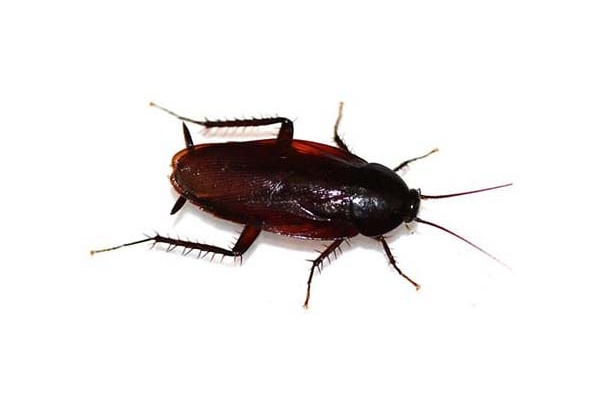
Smoky brown cockroaches
The smoky brown cockroach dehydrates very quickly, so you will see these types of cockroaches in moist, damp places ‐ if you see them at all. They are excellent fliers and extremely nocturnal. However, they are attracted to light and will enter homes when they see it.
- Appearance: These cockroach types are about one and a half inches long. They are a dark mahogany color with a black pronotum, and their wings are longer than their bodies. Male and female smoky brown roaches can fly.
- Region: Found in the southeastern United States.
- Preferred habitat: The smoky brown cockroach prefers habitats with high humidity, such as wooded areas, tree bark, mulch, and decaying organic matter. They are commonly found outdoors but seek shelter in damp and dark places like basements, crawl spaces, and attics.
- Entry method: This cockroach species can crawl inside through small openings around your home, but they will also enter your home if doors and windows are open.
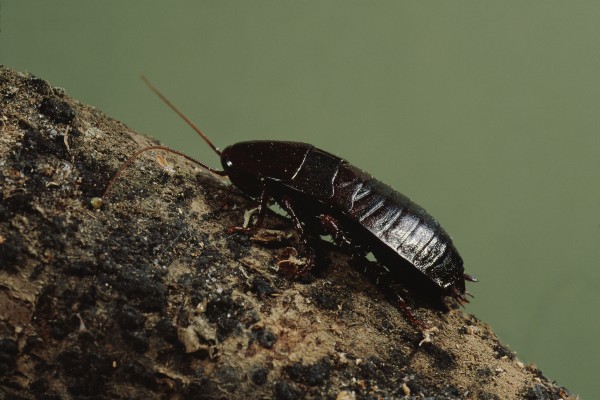
Oriental cockroaches
More commonly called "water bugs,” the Oriental cockroach dwells in darkness and loves moist, damp spots that are out of sight and harm from humans. This makes it more challenging to eliminate them without pest management professionals since pesticides might get washed away.
- Appearance: This type of cockroach is one and a quarter inches long and is dark brown to reddish-brown or black with a glossy appearance. This roach species cannot fly.
- Region: Oriental cockroaches are present across the entire United States.
- Preferred habitat: Prefers damp, cool, and dark environments such as basements, crawl spaces, drains, and sewers, but can also thrive outdoors in places like leaf litter, under mulch, and in piles of organic debris.
- Entry method: Typically, they enter homes through small cracks and openings in foundations, doors, windows, or utility pipes. This cockroach species can also migrate from nearby sewers or drains into buildings through plumbing systems.
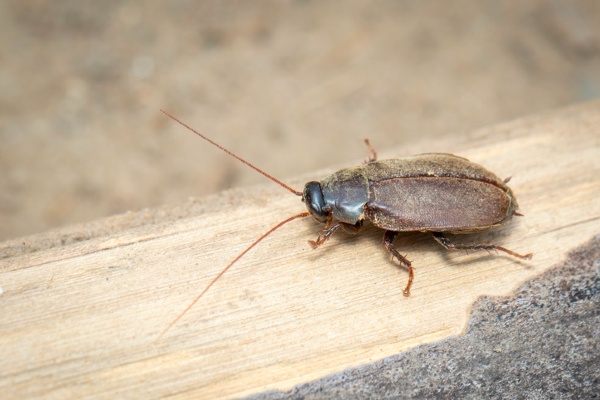
Pacific beetle cockroaches
Pacific beetle cockroaches primarily feed on the bark of cypress and juniper trees, potentially causing significant damage that can lead to tree death—large brown areas around the tree crown signal infestations. Unlike typical cockroach types, Pacific beetle cockroaches give birth to live young, with females delivering seven to 13 nymphs.
- Appearance: This type of cockroach is relatively large, measuring an inch to one and a half inches long. They have a robust, dark brown body, often appearing almost black. Pacific beetle cockroaches cannot fly.
- Region: Primarily reside in the western United States. They are found in states like California, Oregon, and Washington, where juniper trees are prevalent.
- Preferred habitat: They inhabit the bark of cypress and juniper trees, where they feed and reproduce. They are also often found in outdoor environments near these tree species.
- Entry method: This cockroach species is primarily an outdoor insect and does not typically enter homes. In rare cases, they may accidentally enter homes through open doors or windows near infested trees.
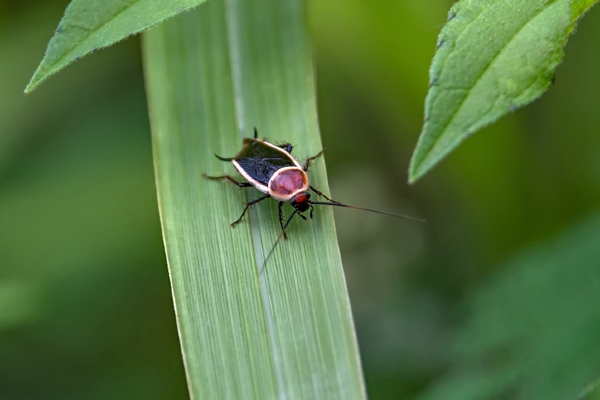
Pale-bordered field cockroaches
Pale-bordered field cockroaches are omnivorous scavengers known to consume a wide variety of food, including meats, grease, starchy foods, sweets, and more. Although they can resort to cannibalism when food is scarce, this behavior is uncommon in areas with a high human population.
- Appearance: The pale-bordered field cockroach is about half of an inch to ⅝ of an inch long. This cockroach species has a reddish head shield and yellow markings around the border of the pronotum and the wings. Their face and antennae have orange-colored markings as well. These types of roaches can fly.
- Region: Can be found in the southern United States.
- Preferred habitat: Primarily resides outdoors among leaves and shrubs, commonly found in gardens and landscapes. They can also infiltrate indoor spaces such as houses and barns, favoring dark and damp environments.
- Entry method: These cockroach types can enter homes through openings like gaps around doors and windows and cracks in the foundation. They may also be inadvertently brought indoors on firewood or potted plants.
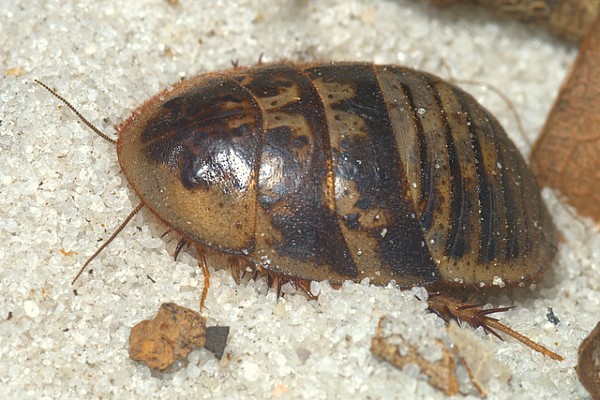
Sand cockroaches
Sand cockroaches exhibit significant sexual dimorphism, meaning that males and females are different in appearance and may not appear to be members of the same cockroach species.
- Appearance: Sand cockroaches typically measure around an inch to one and a half inches long. Males resemble winged American cockroaches or cicadas, only lighter in color, while females are wingless, darker in color, and have an oval exoskeleton resembling ancient trilobites. Males are attracted to light and active during the day, while females are nocturnal. Male roaches can fly, and females cannot.
- Region: Primarily found in the southern United States.
- Preferred habitat: This type of cockroach prefers habitats with sandy soils, such as dunes, beaches, and coastal areas.
- Entry method: Sand roaches are not typically found indoors and prefer outdoor habitats. However, they may accidentally enter homes if they are attracted to lights at night or seek shelter during adverse weather conditions.
Terminix's cockroach control services
While cockroach infestations can be challenging to deal with, effective prevention and control measures are available. To minimize the risk of infestation, keep your home clean, seal any cracks or openings, and ensure all food is stored in sealed containers. For comprehensive and lasting solutions, it's recommended to seek professional assistance. Terminix offers expert cockroach control services tailored to your specific needs. Schedule your free inspection today!