
Surinam Cockroach
(Pycnoscelus Surinamensis)
Content Updated: February 19th, 2025
The Surinam cockroach (Pycnoscelus surinamensis), also known as the greenhouse cockroach or the burrowing cockroach, is a globally distributed pest that prefers warm, humid environments. Native to Southeast Asia, this species has since spread to tropical and subtropical regions worldwide, thriving in greenhouses, gardens, and other moist, sheltered areas. If you’re worried about cockroaches infesting your home, Terminix’s roach control services are here to help!
Surinam cockroach characteristics
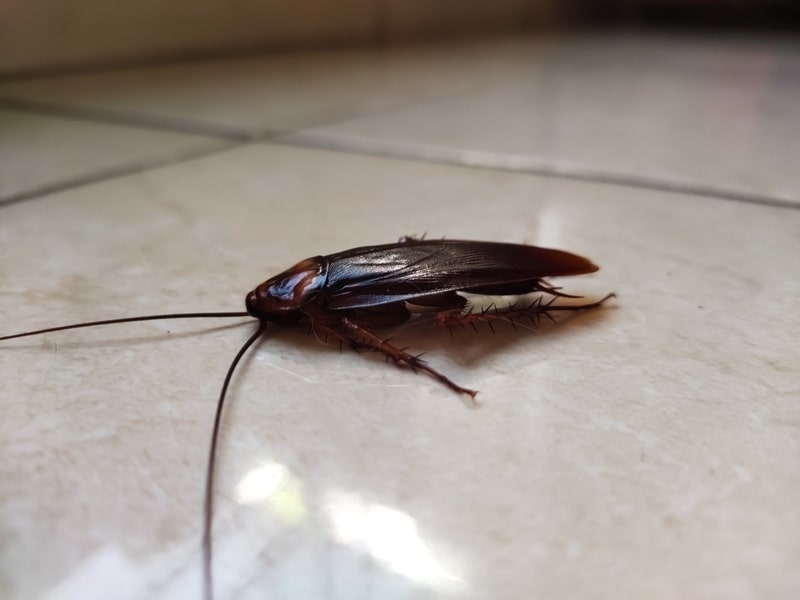
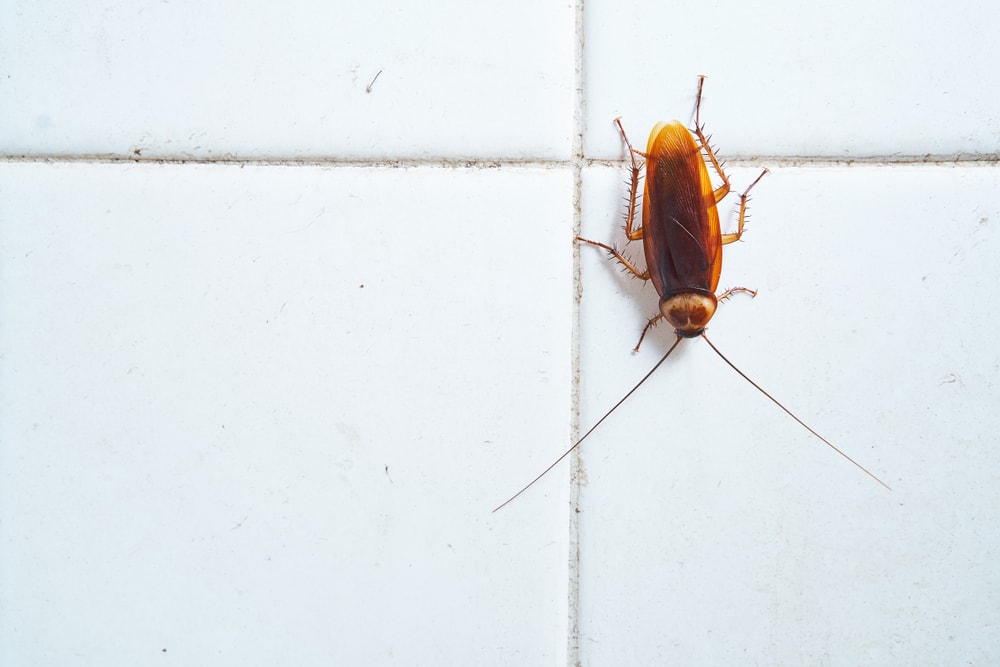
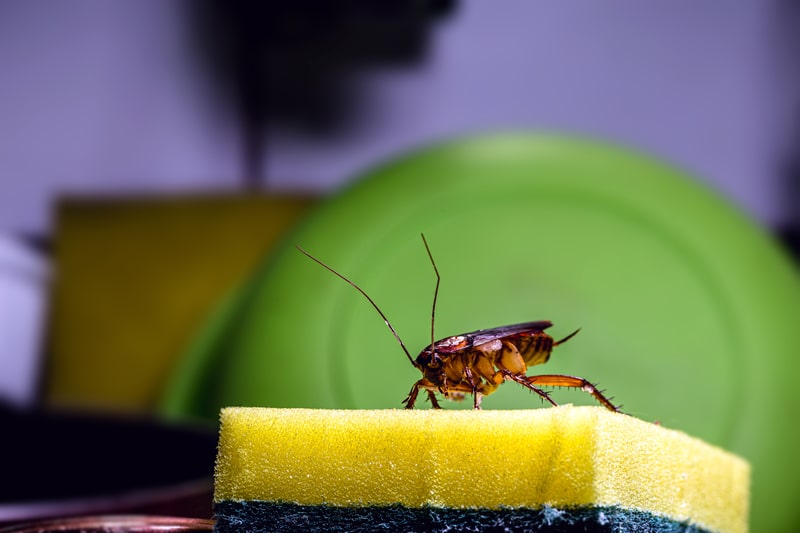
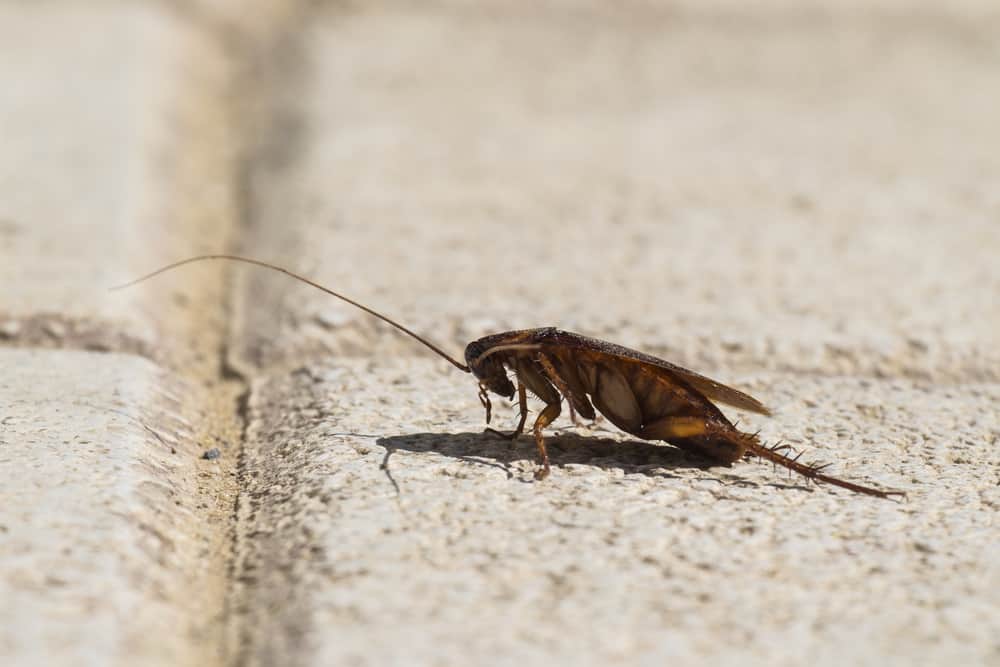
Surinam cockroaches are small to medium-sized roaches. They are typically:
Length: ¾ of an inch to one inch long
Color: Ranges from shiny brown to dark brown, with a slightly lighter shade along the edges of their thorax and wings
Body: Sleek, oval-shaped body with long, slender antennae
Can Surinam cockroaches fly? Once they’re adults, they have fully developed wings, but Surinam cockroaches are not strong fliers. Instead, they rely on their burrowing ability to escape predators and find shelter.

Detecting an infestation of Surinam cockroaches involves observing their burrowing activity. Look for:
Small holes in garden soil, mulch, or potted plants.
Damage to roots or seedlings in greenhouses or gardens caused by their burrowing and feeding habits.
Shed skins or fecal droppings in damp, dark areas.
Surinam cockroach behavior and habitats
Surinam cockroaches have distinct behavioral traits and habitat preferences that set them apart from other cockroach species. They are common in the southeastern United States, from North Carolina to Texas. They sometimes spread to other regions when they are inadvertently burrowed in the soil of tropical plants that are shipped to greenhouses and plant nurseries across the country. They are drawn to:
Loose, damp soil in gardens and greenhouses.
Areas with heavy vegetation, such as mulch, compost heaps, and flower beds.
Potted plants, where they burrow into the soil for shelter.
These cockroaches are nocturnal, meaning they are most active at night. During the day, they remain hidden in soil or other sheltered locations. At night, they emerge to feed and explore. Like many other pests, they can enter homes through cracks in walls or foundations, open doors or windows, and accidentally be brought indoors in soil or plants.
While Surinam cockroaches are primarily outdoor pests, they can be drawn to homes by:
Moisture: Leaky pipes, wet basements, or overwatered potted plants.
Plants: Indoor or outdoor plants with rich soil provide a perfect habitat.
Food: Organic matter such as decaying plants or leftover crumbs.
These cockroaches consume organic matter such as decaying leaves and wood, plant roots, and food scraps or crumbs if they find their way indoors. Their diet preferences make them especially troublesome for gardeners.
Are Surinam roaches dangerous?
While Surinam cockroaches aren’t as dangerous as other species, they can pose various problems.
Health risks: Their droppings, shed skins, and saliva may trigger allergies or asthma.
Plant damage: Known for feeding on plant roots and burrowing, they can harm gardens, indoor plants, and greenhouse vegetation.
Stressful infestations: Their presence can cause anxiety, discomfort, and frustration, especially when infestations are persistent or damage plants.
Surinam roach lifecycle and reproduction
Surinam cockroaches, also known as greenhouse cockroaches, have a unique reproductive method. In North America, no male Surinam cockroaches exist, but females thrive through parthenogenesis, a form of asexual reproduction. They produce female clones, allowing populations to grow rapidly.
These roaches can live for several months to a year, depending on environmental conditions. Here’s a breakdown of their lifecycle:
Eggs/nymphs: Rather than laying eggs externally, Surinam cockroaches retain their eggs internally, giving birth to live nymphs.
Nymph stage: These young cockroaches resemble smaller, wingless adults and undergo several molts as they grow.
Adult stage: Once fully developed, they quickly begin reproducing, perpetuating the infestation cycle.

Tips for Surinam roach control
Preventing and controlling Surinam cockroaches requires proactive measures and vigilance. Here are some effective tips to help keep these pests away:
Seal entry points: Check for gaps or cracks around windows, doors, and foundations.
Remove moisture sources: Fix leaky pipes, ensure proper drainage, and avoid overwatering your garden.
Inspect plants and soil: Before bringing plants indoors, check for any signs of these pests.
Limit mulch use: Avoid heavy mulch near your home’s foundation, as it creates an ideal habitat for these pests.
Even with preventative efforts, Surinam cockroach infestations can escalate quickly due to their rapid reproduction. If you’re dealing with these persistent pests, Terminix is here to help. Our experts offer comprehensive cockroach control services to help protect your home!