Oriental cockroach (Blatta orientalis)
Learn the characteristics of Oriental cockroaches and how to control an infestation.
Oriental cockroaches, often mistaken for water bugs due to their preference for damp environments, are a common invasive pest found worldwide. In the United States, they are frequently encountered in both urban and suburban areas. These cockroaches thrive in warm, moist areas, making basements, drains, and other damp spaces their preferred habitats. Learn more about their behavior, habitats, and how to control infestations effectively.
Jump to section:
Oriental cockroach characteristics
Signs of an Oriental cockroach infestation
Oriental roach behavior and habitats
Oriental roach life cycle and reproduction
Preventing Oriental roaches in your home
Professional roach control solutions
Oriental cockroach characteristics

Oriental cockroaches have distinct physical traits and behaviors that make them easy to identify:
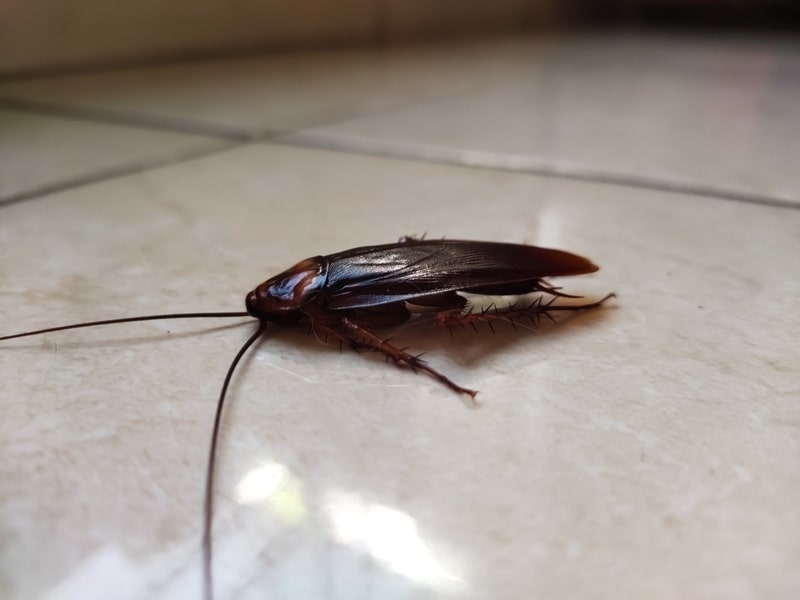
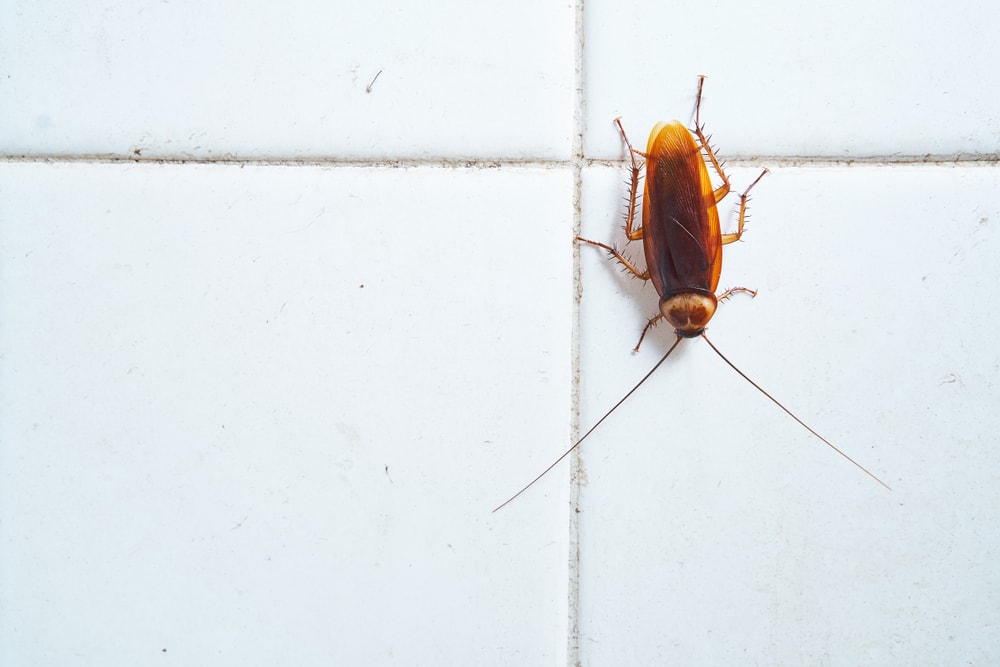
Size and color: Oriental cockroaches are medium to large cockroaches, typically ranging from one to one and a quarter inch in length. Their shiny bodies are very dark brown or nearly black in color.
Wings and antennae: Male Oriental cockroaches have wings that cover about three-quarters of their abdomen, while females have small wing pads and are entirely wingless. Neither male nor female Oriental cockroaches can fly. Both sexes have long, thin antennae that serve as sensory tools to help them navigate their environment.
Distinct smell: One of the most noticeable signs of an Oriental cockroach infestation is their strong, musty odor. This unpleasant smell becomes more pronounced as the infestation grows, serving as a key indicator of their presence.
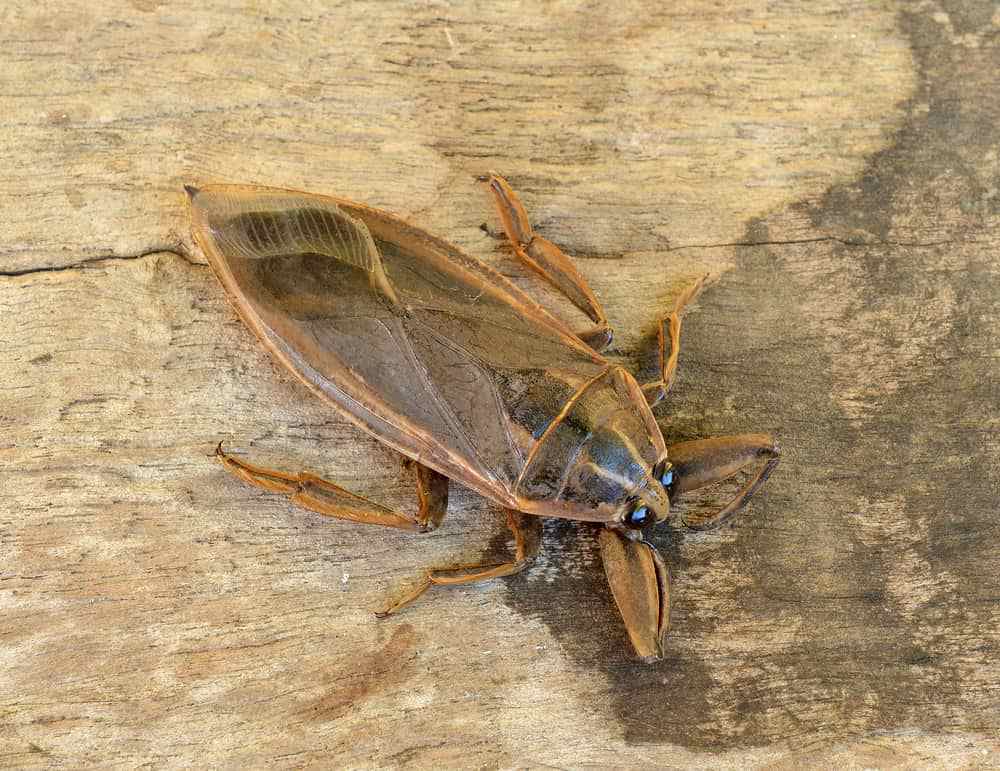
Oriental cockroach vs. water bug
Oriental cockroaches are often mistaken for water bugs due to their dark coloring and preference for damp environments, but there are key differences that set them apart:
Size: Oriental cockroaches are smaller, measuring one to one and a quarter inches, while true water bugs, such as giant water bugs, can grow up to four inches.
Body shape: Oriental cockroaches have shiny, oval-shaped bodies, while water bugs have flatter bodies with a more elongated shape.
Antennae: Oriental cockroaches have long, thin antennae that sense their surroundings, while water bugs have short, less prominent antennae.
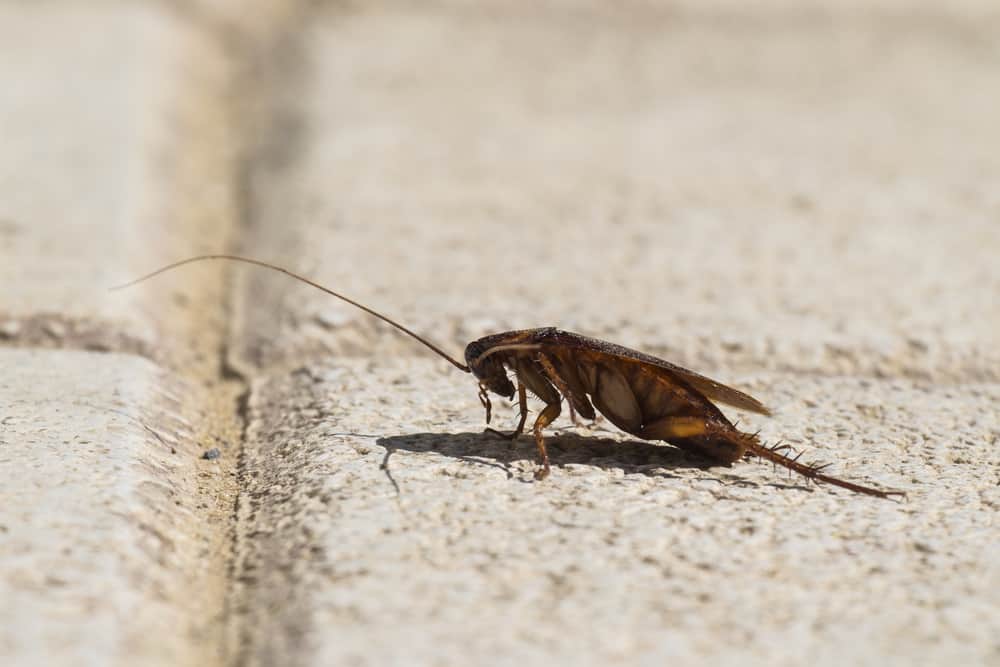
Legs: Water bugs have clawed front legs adapted for grasping prey, whereas Oriental cockroaches have spiny legs designed for climbing and running.
Habitat: Oriental cockroaches are found indoors in damp areas like basements and drains, while water bugs are aquatic and live in ponds, slow-moving streams, or other bodies of water.
Signs of an Oriental cockroach infestation
Identifying an Oriental cockroach infestation early can help prevent it from worsening. Look for these key signs:
Droppings: Small, dark, pellet-like droppings commonly found in damp areas like basements, drains, or under sinks.
Egg cases (oothecae): Brown, capsule-shaped egg cases often hidden in moist, secluded locations.
Unpleasant odor: A musty, foul smell that becomes more noticeable as the infestation grows.
Live sightings: Spotting shiny, dark brown to black cockroaches, particularly in damp, dark spaces, and most often at night.
Oriental roach behavior and habitats
Oriental cockroaches are one of several types of cockroaches that prefer damp, humid environments and are often found in basements near sump pumps, water collection systems, or plumbing leaks. Condensation around walls, air ducts, and damp crawl spaces also make indoor spaces highly attractive to them. Outdoors, they thrive in wet areas such as storm drains, sewers, under mulch beds, and tree holes that collect water.
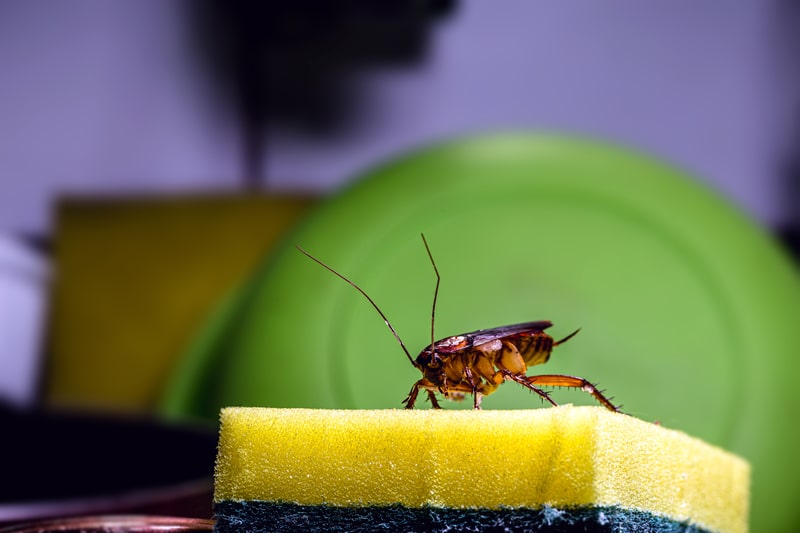
These cockroaches typically enter homes through cracks in foundations, poorly sealed doors, gaps around pipes, or by crawling up through drains. Once inside, they forage for decaying organic matter, garbage, and leftover food scraps, making kitchens and trash areas particularly appealing. Their behavior is primarily nocturnal, with most activity occurring at night as they search for food and water in dark, damp areas.
Are Oriental roaches dangerous?
Oriental cockroaches can pose significant risks to humans and pets. Like other cockroach species, they can carry bacteria such as E. coli and salmonella on their legs and bodies. As they crawl across surfaces, including food preparation areas, they can contaminate items in your home and potentially spread harmful pathogens.
In addition to spreading bacteria, Oriental cockroaches are known to trigger allergic reactions and exacerbate asthma symptoms, especially in sensitive individuals. Their droppings, shed skins, and saliva can contribute to poor indoor air quality, making infestations particularly problematic for people with respiratory conditions.
Beyond health concerns, a cockroach infestation can cause stress and discomfort for homeowners. The presence of these pests, coupled with their unpleasant odor and unsanitary habits, can lead to a sense of unease and urgency to address the problem. Prompt action is essential to minimize these risks and maintain a safe, healthy home.
Oriental roach life cycle and reproduction
Oriental cockroaches have a relatively short lifespan, typically living for about 6 to 12 months after developing into adults. Their life cycle consists of three main stages:
Egg stage: Female Oriental cockroaches produce oothecae (egg cases), which are dark brown and contain up to 16 eggs. These egg cases are deposited in hidden, damp areas like crevices or under debris. The eggs hatch after about 60 days, depending on environmental conditions.
Nymph stage: Nymphs emerge from the eggs as smaller, wingless versions of adult cockroaches. Over the course of several months, they molt seven to ten times, gradually growing larger and developing their adult coloration. This stage lasts approximately six months, depending on temperature and humidity.
Adult stage: Once fully mature, adult Oriental cockroaches can reproduce. Females are capable of producing multiple oothecae during their lifetime, contributing to the rapid spread of infestations in favorable conditions.
Preventing Oriental roaches in your home
Oriental cockroaches can quickly turn into an infestation due to their ability to reproduce rapidly under favorable conditions. A single female can produce multiple egg cases (oothecae), each containing up to 16 eggs. In damp, warm environments, these eggs can hatch within two months, leading to a fast-growing population that becomes increasingly difficult to control.
To prevent Oriental cockroaches from invading your home, follow these tips:
Eliminate moisture: Fix plumbing leaks, use a dehumidifier in damp areas, and ensure proper drainage around your home to reduce the moisture Oriental cockroaches are drawn to.
Seal entry points: Inspect and seal cracks in foundations, gaps around pipes, and poorly sealed doors or windows to block their access.
Keep your home clean: Store food in airtight containers, promptly clean up spills, and regularly empty garbage bins to remove potential food sources.
Clear outdoor debris: Remove leaf piles, mulch beds, and standing water near your home to discourage roaches from nesting close to your foundation.
Improve ventilation: Ensure good airflow in basements and crawl spaces to prevent the buildup of humidity.
Professional roach control solutions
Oriental cockroaches can be challenging to eliminate due to their rapid reproduction and preference for hidden, damp areas. A professional pest control plan is the most effective way to eliminate cockroaches and prevent their return. These plans include thorough inspections, customized treatments, and preventative measures to address infestations at the source. With expert care and proven methods, Terminix helps ensure your home remains protected. Schedule a free inspection today.