Cockroaches
The anatomy of a cockroach
Content Updated: February 25th, 2025
Cockroaches are some of the most resilient and adaptable insects on the planet. They are known for their survival skills and ability to thrive in almost any environment. With over 4,000 species worldwide, these pests have evolved unique anatomical features that make them masters of survival.
From their flattened bodies that allow them to squeeze into tight spaces to their highly sensitive antennae, understanding a cockroach’s anatomy sheds light on why they can be so difficult to control. If you’re dealing with an infestation, our professional cockroach control services can help eliminate these pests and keep them from returning.
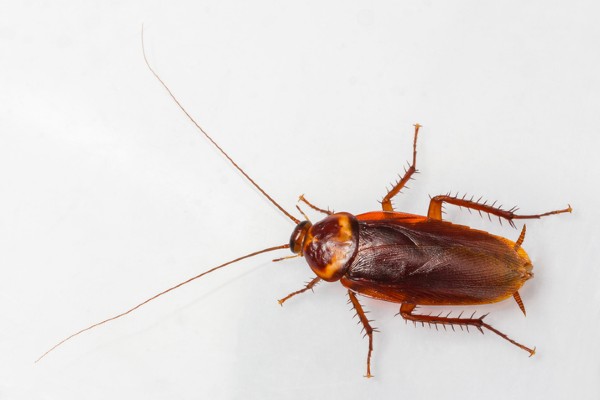
External cockroach anatomy
Understanding the external anatomy of cockroaches reveals how these pests survive and thrive in diverse environments. Each part of a cockroach’s body—its head, thorax, abdomen, exoskeleton, and appendages—plays a specific role in movement, sensing danger, and finding food. Knowing how these features function is crucial for effective pest control, as it helps target vulnerabilities and prevent infestations.
Body segmentation
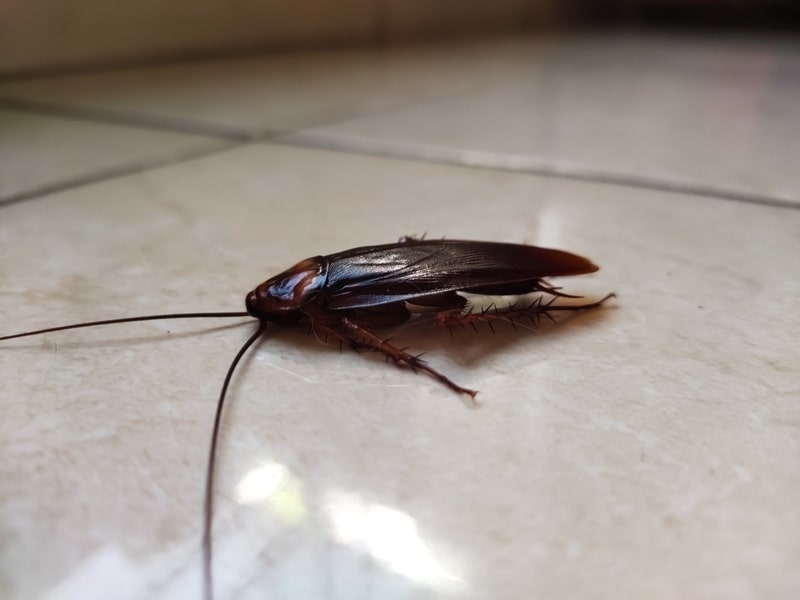
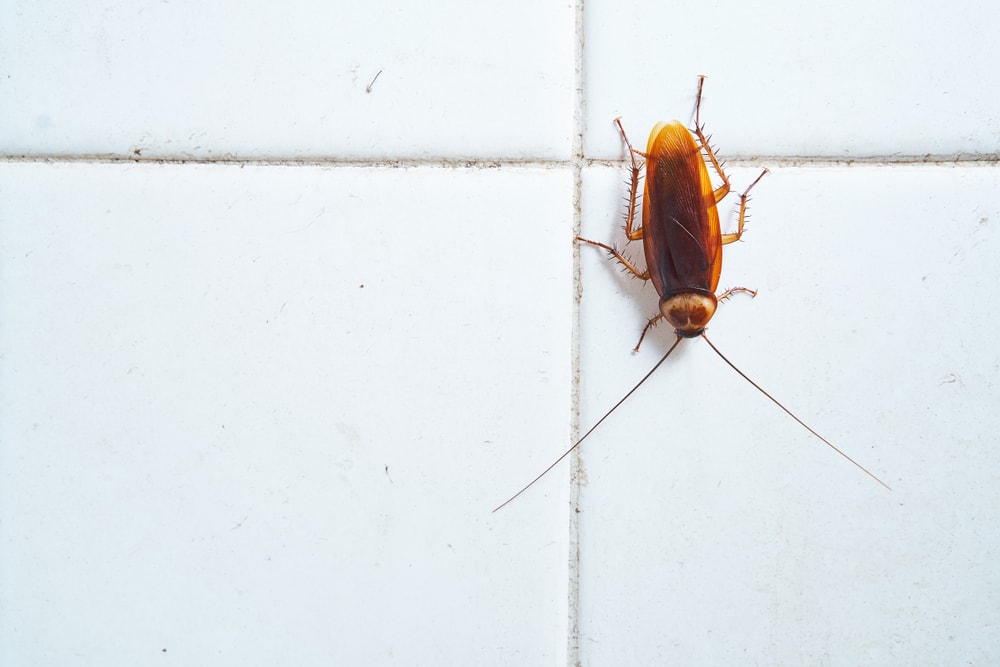
Like all insects, cockroaches have three distinct body segments: the head, thorax, and abdomen. Each part of a cockroach plays a crucial role in their survival and functionality.
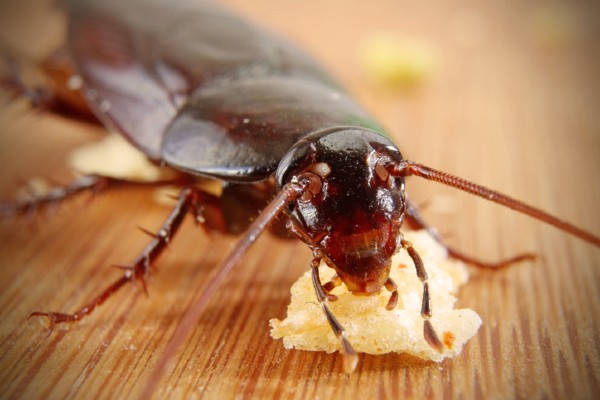
Head: The head houses the brain, compound eyes for broad vision, and long, flexible antennae that help them sense food, predators, and environmental changes. Their specialized chewing mouthparts (mandibles) are also attached to their head.
Thorax: The thorax is the middle segment that supports mobility and movement. It connects the head and abdomen and holds three pairs of legs and two pairs of wings.
Abdomen: The abdomen is the largest segment, containing the digestive, excretory, and reproductive organs.
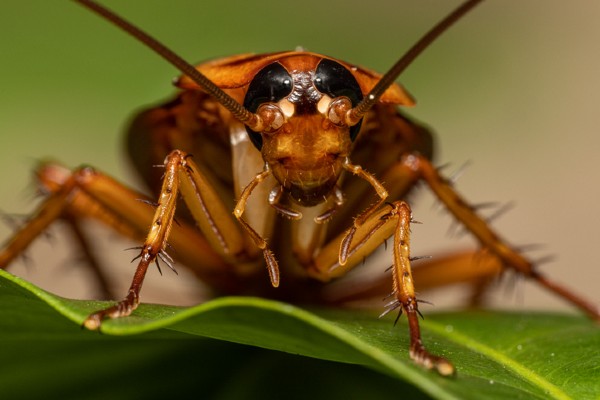
Exoskeleton
An exoskeleton is a hard, external structure of the cockroach's anatomy primarily made of chitin that supports and protects its body.
The exoskeleton has two primary benefits. First, it helps a cockroach protect itself. It shields the cockroach's internal organs from physical damage and predators and acts as a barrier against harmful substances. The exoskeleton can also help with water conservation because it is coated with a waxy layer that minimizes water loss, helping cockroaches survive in dry conditions. This adaptation allows them to thrive in various environments.
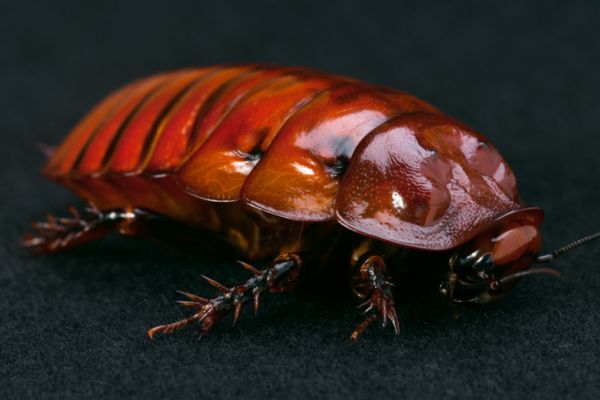
Appendages
Cockroaches have specialized appendages that enable them to interact with their environment, sense danger, and move efficiently. Here’s a breakdown of the key parts of a cockroach’s appendages:
Cerci
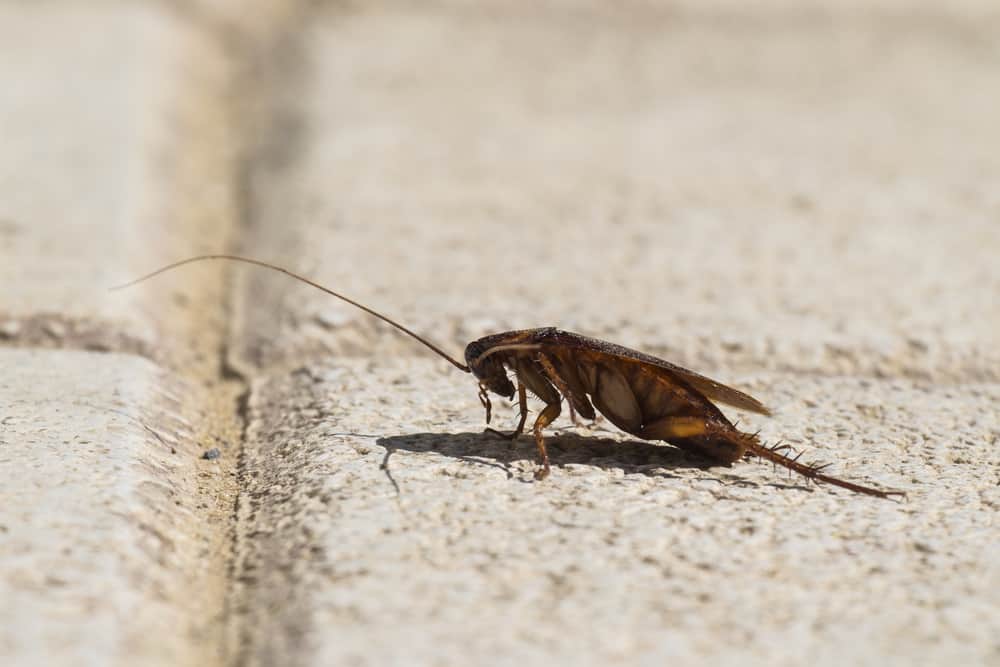
Function: Located at the rear of the abdomen, cerci are sensory organs that detect vibrations and air currents.
Purpose: These appendages act as an early warning system, helping cockroaches sense approaching predators or sudden movements, often before the brain detects a threat—making it difficult to sneak up on a roach.
Antennae
Function: Long, flexible appendages that serve as sensory organs for smell, touch, and taste.
Purpose: Antennae allow cockroaches to navigate in the dark, locate food sources, and detect pheromones or threats.
Legs
Structure and adaptations: Cockroaches have six legs, each with spines for gripping surfaces and sharp claws for climbing. Their legs are highly adapted for speed and agility, allowing them to scurry quickly and traverse walls or ceilings.
Purpose: These adaptations make cockroaches excellent escape artists and highly mobile, even in challenging terrains.
Wings
Forewings (Tegmina): Thick and leathery forewings protect the delicate hindwings and abdomen.
Hindwings: Used for flight, but not all cockroaches have wings. While not all cockroach species can fly long distances, some can glide or fly short distances.
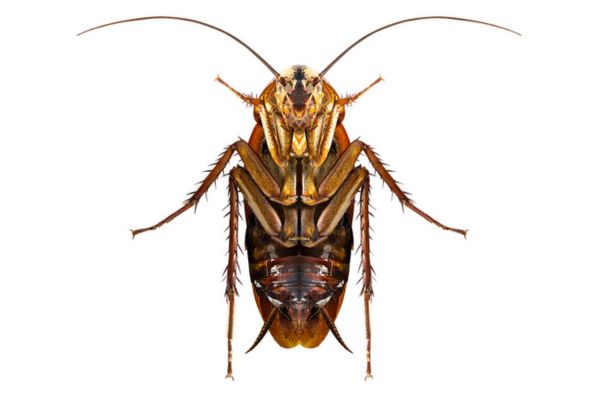
Internal cockroach anatomy
A cockroach’s internal anatomy reveals the secrets to its survival and adaptability. Understanding its unique systems, like digestion and respiration, can help create effective pest control strategies.
Digestive system
A cockroach's digestive system is built for efficiency. Its mouthparts, including mandibles and maxillae, are designed for chewing various foods. The digestive tract includes:
Esophagus: Transports food.
Crop: Stores food temporarily.
Proventriculus: Grinds food with its hard lining.
Midgut: Absorbs nutrients.
Hindgut: Processes waste and reabsorbs water before excretion.
Respiratory system
Cockroaches breathe through a tracheal system, a network of tubes that delivers oxygen directly to their tissues. Air enters and exits through small openings called spiracles located along their bodies, enabling efficient gas exchange without relying on their lungs.
Circulatory system
Cockroaches have an open circulatory system, where hemolymph (their blood-like fluid) flows freely around their organs. The heart pumps the hemolymph through vessels, circulating nutrients and waste throughout the body. Unlike vertebrates, this system doesn’t rely on oxygen transport but works in conjunction with their tracheal system for respiration.
Nervous system
The cockroach's nervous system is centered around its brain and ganglia on the nerve cord, which controls movement and processes sensory information. Sensory organs, including the eyes, antennae, and cerci, detect environmental cues like light, smell, and vibrations, helping the cockroach respond to its surroundings effectively.
Reproductive system
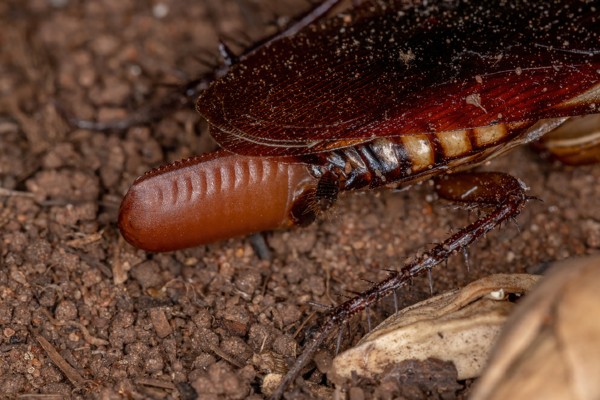
Cockroaches reproduce through internal fertilization. The male has specialized organs to transfer sperm, while the female produces eggs in her ovaries. After mating, the female lays eggs in protective cases called oothecae, which contain multiple embryos that hatch into nymphs.
Finding roaches in your home
Now that you understand each part of a cockroach's anatomy, you can take steps to help secure your home and help prevent infestations.
Seal entry points: Inspect your home for cracks, gaps, and crevices, especially around doors, windows, and utility pipes.
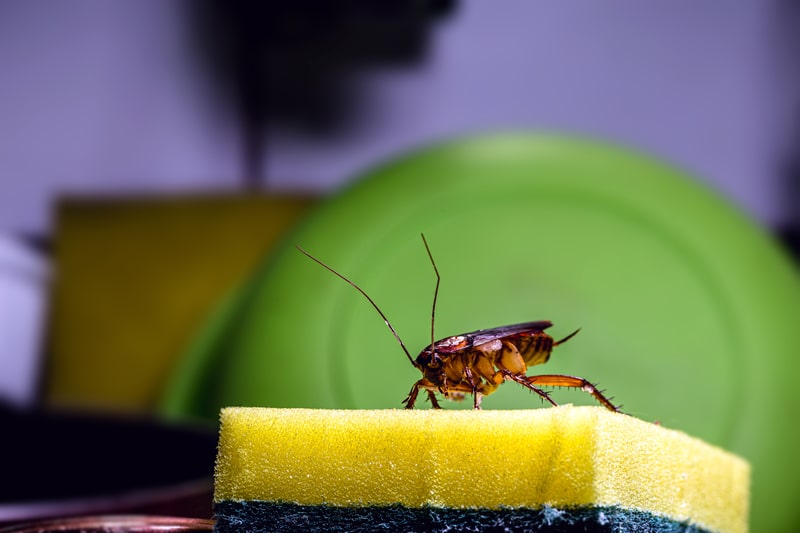
Store food properly: Use airtight containers when storing food and keep pet food sealed when not in use. Avoid leaving dirty dishes in the sink overnight.
Eliminate moisture: Fix leaky faucets, pipes, or drains, and use a dehumidifier in damp areas. Cockroaches are drawn to moisture and can thrive in humid conditions.
Cockroaches are resilient pests that can exploit even the smallest vulnerabilities, but you don’t have to face them alone. Our professionals are experts at identifying cockroach species, understanding how they gain access to your home, and effectively eliminating them. With proven techniques and customized solutions, we can help protect your home from these unwelcome invaders.