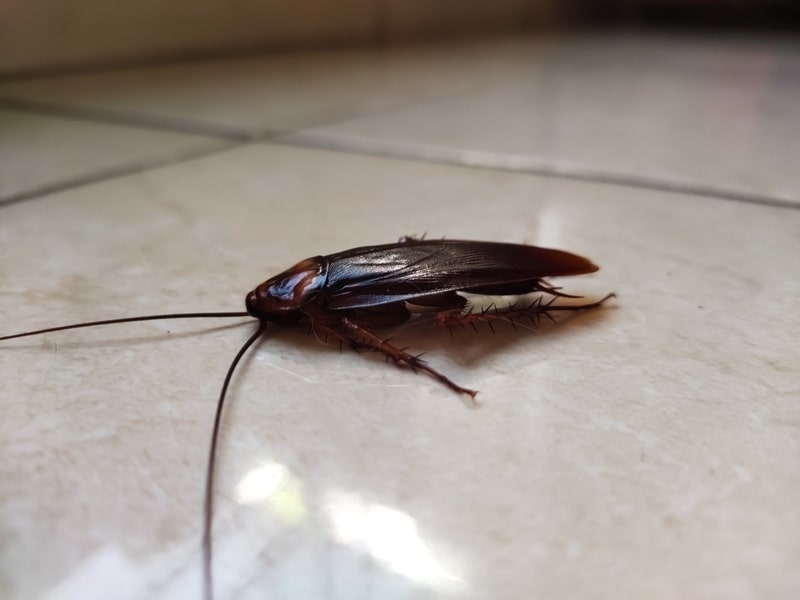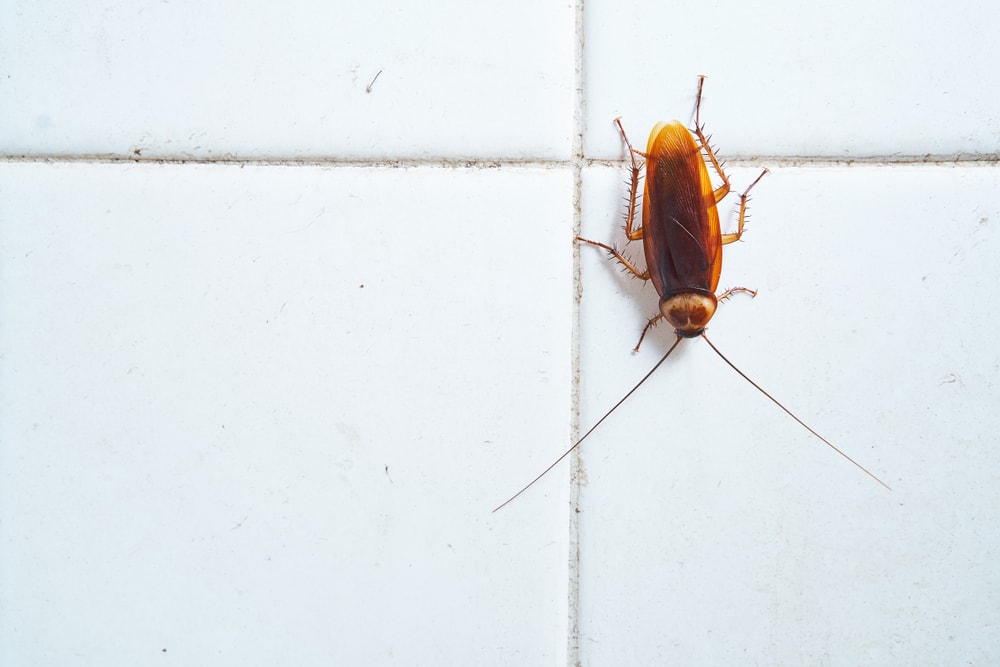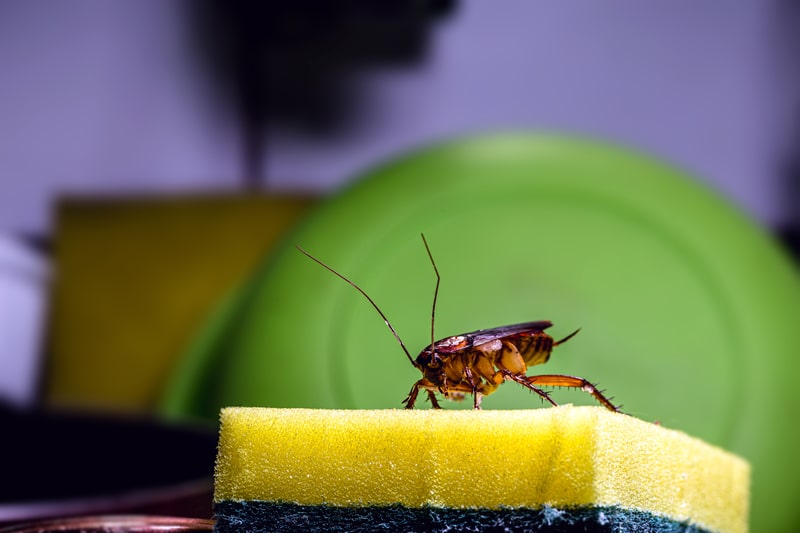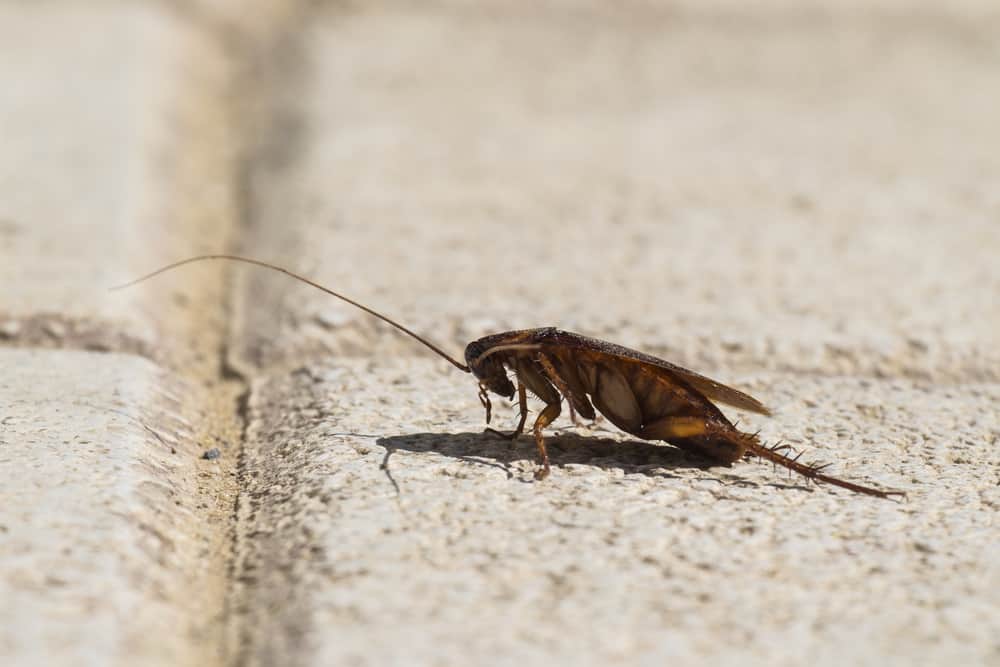
German cockroach
(Blatella Germanica)
As one of the most common household pests found worldwide, German cockroaches (Blattella germanica) are known for their rapid reproduction and resilience. German roaches thrive in warm, humid environments and often infest kitchens, bathrooms, and other areas with easy access to food and water. Learn how to identify German cockroaches, understand their behavior, and take steps to prevent and control infestations effectively.
Jump to section:
German cockroach characteristics

German cockroaches have distinct physical traits and behaviors that make them easy to identify:
Size: German cockroaches are small, fast-moving insects. They range in size from about one-eighth of an inch at hatching to a little over half an inch as adults.
Color: Adult German cockroaches are light brown with two dark stripes on their pronotum, the shield-like structure just behind their head. Nymphs, which are immature cockroaches, are smaller, wingless, and cannot reproduce. They share a similar coloration to adults but lack the prominent stripes.
Wings and antennae: Although adult German cockroaches have wings, they can’t fly. They may flutter their wings to break a fall, but their primary mode of movement is running. Their long antennae, slightly longer than their bodies, are highly sensitive and help them explore their environment, locate food, and interact with other roaches.
Signs of German cockroaches
German cockroaches are often found in warm, humid areas of the home, and their presence is usually accompanied by telltale signs. Common indicators of an infestation include:
Droppings: Small, dark, and pepper-like droppings are often found in areas like kitchen drawers, cabinets, and along baseboards.
Egg cases: Tan or brown oothecae (egg cases) are left near food sources or hidden in cracks and crevices.
Musty odor: A distinct, musty smell that becomes noticeable with larger infestations.
Shed skins: As they grow, German cockroaches shed their outer exoskeletons, leaving behind small, light-colored skins.
Live roaches: Seeing cockroaches during the day is a strong indication of a significant infestation, as they are nocturnal and most active at night, typically hiding during daylight hours.
German vs. American roaches
German and American cockroaches are two of the most common species, but they have distinct differences in appearance and behavior that help tell them apart:
Appearance: German cockroaches are smaller, measuring about half an inch long, and are light brown with two dark stripes on their pronotum. In contrast, American cockroaches are significantly larger, reaching up to two inches in length, and are reddish-brown with a yellowish band behind their heads.
Behavior: German cockroaches are typically found indoors, favoring warm, humid areas like kitchens and bathrooms. They are fast-moving and rely on their speed to evade predators. American cockroaches, however, are more versatile and can be found both indoors and outdoors. They prefer damp environments like basements, sewer systems, and decaying wood. American cockroaches are also capable of limited flight, unlike German cockroaches.
Infestation signs: While both species leave droppings and egg cases, German cockroach infestations are often accompanied by a musty odor, whereas American cockroaches produce larger droppings about the size of a grain of rice and may leave smear marks in high-moisture areas.
German cockroach behavior and habitats
German cockroaches are almost exclusively found living and breeding indoors. They thrive in warm, humid environments with easy access to food and water, making kitchens and bathrooms their primary habitats. Initially, they may appear near appliances, sinks, or cabinets, but as their population grows, they spread to other areas like living rooms and bedrooms. These types of cockroaches spend about 80% of their time hiding in wall cracks, voids, and other concealed spaces, which means infestations are often more extensive than they seem.
Despite their name, German cockroaches are found worldwide, including homes across the United States. Many researchers believe they originated in Southeast Asia.
Attracted by food crumbs, spills, and even pet food, German cockroaches often enter homes through cracks in doors, windows, or walls and may also hitch a ride on groceries, boxes, or furniture. They are most active at night when they forage for food. Their diet is highly varied and includes crumbs, grease, starches, sweets, and even non-food items like glue and soap.
Interestingly, German cockroaches are known to groom themselves frequently, cleaning their antennae and legs to maintain sensory sharpness. This behavior helps them navigate their environment and detect food or threats effectively.
Is a German roach infestation dangerous?
A German cockroach infestation poses several risks to humans and pets, making it essential to address the problem quickly. Roaches are known to carry diseases and pathogens such as salmonellosis, E. coli, and dysentery through contaminated surfaces and food. Their droppings, shed skin, and saliva can also trigger allergic reactions or exacerbate asthma symptoms, especially in children and sensitive individuals.
Although German cockroaches don’t typically bite, they may nibble on exposed skin or fingernails in extreme infestations with limited food sources, though this is rare. Beyond health risks, their constant foraging can damage food supplies and household materials, including book bindings, cardboard, and even electronics.
The presence of a cockroach infestation can also take a psychological toll, creating stress, anxiety, and a sense of unease for homeowners. The knowledge that roaches are active in hidden areas of the home, coupled with their ability to reproduce quickly, can make infestations feel overwhelming and difficult to control. Addressing the issue promptly is crucial to maintaining a safe and healthy living environment.
German roach life cycle and reproduction
German cockroaches have a relatively short lifespan, typically living about 100 to 200 days, although they can live longer under ideal conditions. During this time, they undergo three main life cycle stages:
Egg stage: The egg stage lasts about 28 days. Female German cockroaches produce an egg case, or ootheca, containing about 40 eggs. The female carries this capsule protruding from the end of her abdomen until about 24 hours before the eggs hatch, ensuring the eggs are protected. She then deposits the capsule in a hidden, secure location.
Nymph stage: After hatching, nymphs emerge as small, wingless versions of adult roaches. They molt several times as they grow, gradually developing their coloration and features over about 40 to 60 days.
Adult stage: Once fully developed, adult German cockroaches are capable of reproduction. Males are slightly smaller and more slender than females, while females have a broader abdomen. Females can produce four to eight egg cases throughout their lifespan, contributing to rapid population growth.
German roach prevention
Preventing a German cockroach infestation starts with eliminating the conditions that attract them. Follow these tips to help keep your home protected:
Seal entry points: Inspect your home for cracks, gaps, and crevices, particularly around doors, windows, and pipes. Use caulk or other sealants to block these entryways.
Eliminate food sources: Store food in airtight containers, clean up crumbs and spills immediately, and avoid leaving pet food out overnight.
Reduce moisture: Fix leaky faucets, pipes, and other water sources that create the humid conditions German roaches prefer.
Declutter your home: Remove piles of paper, cardboard, and other materials where roaches can hide or nest.
Maintain cleanliness: Regularly clean under appliances, inside cabinets, and in other hard-to-reach areas where food debris may collect.
Monitor your surroundings: Inspect groceries, boxes, and used furniture for signs of roaches before bringing them into your home.
Professional roach control solutions
German cockroach infestations can be incredibly challenging to eliminate due to their rapid reproduction and tendency to hide in hard-to-reach areas. Terminix provides expert roach control solutions, offering thorough inspections, targeted treatments, and preventative measures to not only eliminate infestations but also keep them from coming back. Regain peace of mind and enjoy your home with our proven methods. Schedule a free inspection today.