
Florida woods cockroach
(Eurycotis Floridana)
Updated: May 1st, 2025
The Florida woods cockroach (Eurycotis floridana), often referred to as the palmetto bug or just the Florida cockroach, is a slow-moving, outdoor-loving pest that thrives in warm, tropical climates. Native to the southeastern United States, including states like Florida, Georgia, and parts of South Carolina, this cockroach is perfectly suited for life in the humid environments that this region has. Unlike some other cockroaches, it’s rarely found indoors—unless accidentally brought inside. However, its unique defense mechanism (a foul-smelling spray) and distinct habits make it a species worth knowing about. Whether you’re spotting these pests outside or wondering about effective roach control, learning about this roach can help you keep your home pest-free.
Florida woods cockroach characteristics

The Florida woods cockroach is an unmistakable pest thanks to its large size and unique traits. Although it has a similar anatomy to other cockroaches, it moves very slowly and compensates for its lack of speed with an interesting defense mechanism. Here’s what makes the palmetto bug stand out:
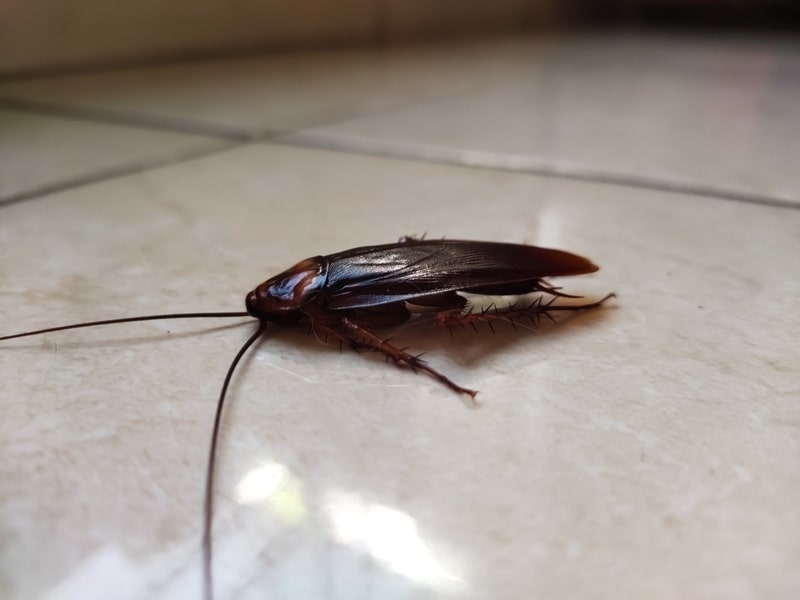
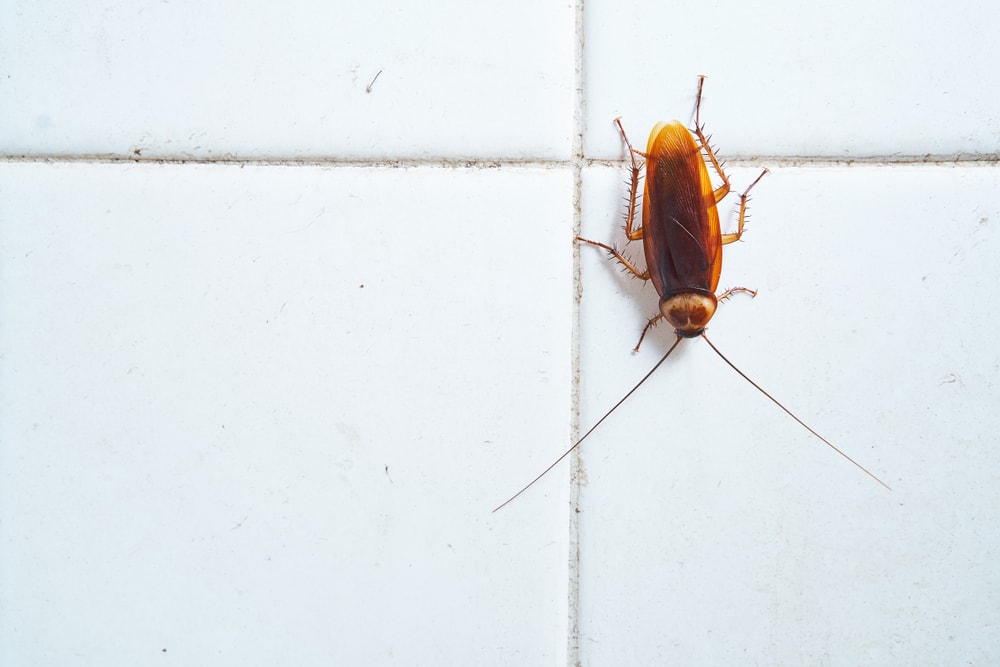
Size: The Florida woods cockroach is larger than most household roaches, measuring between 1.2 and 1.6 inches in length and about one inch wide. Its thick body and impressive size make it stand out in the cockroach world.
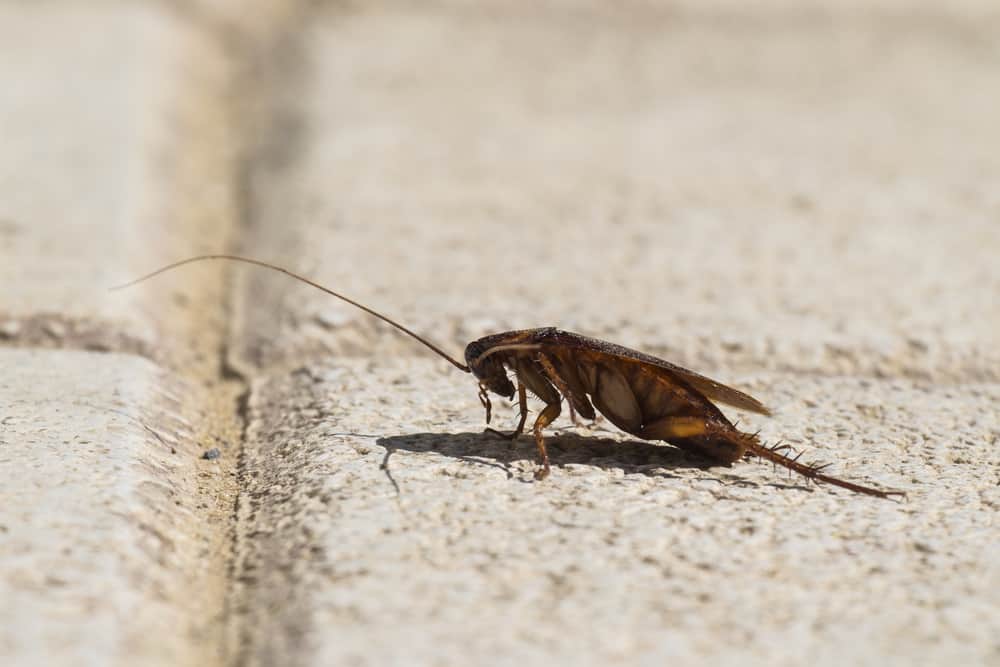
Color: These cockroaches are typically reddish-brown to nearly black, with a glossy, smooth surface. Though they can vary in shade, their dark coloration often makes them blend into their outdoor surroundings.
Wings and antennae: Both male and female Florida wood cockroaches lack fully developed wings, making them incapable of flying. Their long, sensitive antennae help them locate food and navigate their environment.
Unlike most cockroach species, the Florida woods cockroach is very slow and doesn’t scurry away when disturbed. However, don’t let its slow pace fool you. The Florida woods cockroach has an interesting defense mechanism when threatened, much like a skunk, where it produces a foul-smelling liquid from a gland underneath its abdomen to deter predators and humans. This is why it’s also known as the “stinking cockroach” or the “Florida stink cockroach.”
These pests are typically found in outdoor habitats, but they may wander closer to homes when seeking shelter. Recognizing their cockroach anatomy and behaviors is key to keeping them out of your home and preventing unpleasant encounters.
Florida woods cockroach behavior and habitats
The Florida cockroach thrives in warm, humid climates. As a peridomestic pest, it lives near human habitats but doesn’t rely entirely on humans for survival. Though primarily found outdoors, it occasionally invades homes in search of food or shelter. It’s good to know about cockroach behavior so that you can identify infestation patterns. Here’s what you need to know about the Florida roach’s behavior:
Preferred habitats: These cockroaches are commonly found outdoors in damp, shaded areas such as leaf mulch, vegetation, logs, and lumber piles.
Attraction to homes: Warmth, humidity, and moisture draw them indoors, often through open doors, cracks, or gaps in windows and walls.
Nocturnal behavior: Active mainly at night, they forage and explore under the cover of darkness, avoiding light and seeking moist hiding spots during the day.
Diet: Florida wood cockroaches scavenge for organic material like decaying vegetation and wood but may also consume household scraps if they find their way inside.
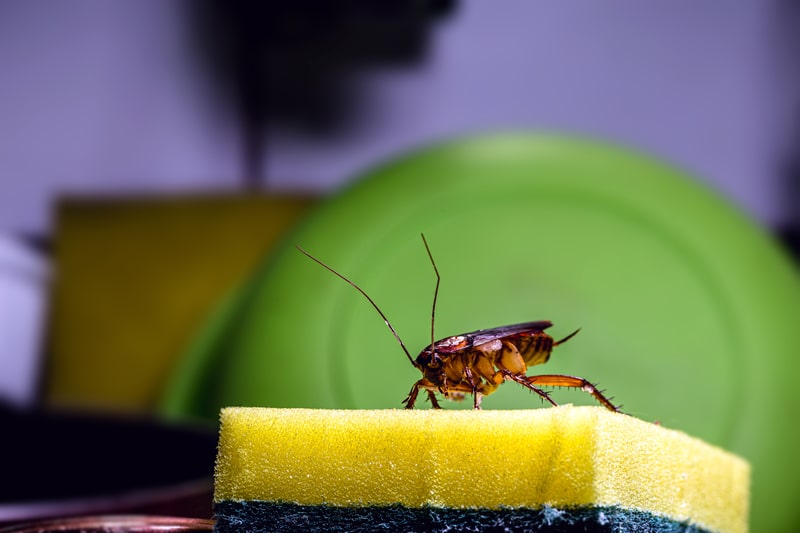
While these cockroach types prefer outdoor living, their ability to climb and seek out moisture occasionally leads them into homes. They are most likely to be found in basements, bathrooms, or even rooftops where moisture collects under roofing materials. Their tropical nature means they cannot survive cold climates, but in warm, humid regions like Florida, they thrive.
To prevent encounters with these pests, focus on addressing outdoor conditions that attract them and sealing entry points around your home. Proactive measures and a clear understanding of their habits can go a long way in keeping your space free of unwanted roaches in Florida.
Are Florida woods cockroaches dangerous?
When it comes to cockroach danger, the Florida woods cockroach, or palmetto bug, is less of a health risk compared to other roach species. However, it does have unique traits that make it an unpleasant pest to encounter. Known for its skunk-like defense mechanism, this roach can spray a foul-smelling chemical from a gland beneath its abdomen to deter predators. This spray can travel up to one meter and may cause irritation if it comes into contact with human skin or eyes. While they can only spray once every 30 days, the secretion is highly effective, even signaling other Florida wood cockroaches to flee from danger.
While primarily an outdoor pest, its presence can be unsettling, especially if it wanders into your home. Here are some things to consider about the potential danger posed by the Florida cockroach:
Dangers to humans and pets: Although Florida wood cockroaches don’t bite, their secretion can irritate skin and eyes, causing discomfort to both humans and pets. Nymphs, while unable to spray the same chemical, release a sticky defensive glue to protect themselves. Also, the stress of dealing with an infestation can cause psychological danger to humans.
Diseases they can spread: These cockroaches are not significant carriers of diseases and rarely pose a risk to food or surfaces, as they mostly live outdoors.
Damage they can cause: While they don’t directly damage property, their foul-smelling secretion can leave an unpleasant residue on walls or furniture, requiring cleaning to remove.
Though they may be fascinating creatures with their unusual defense mechanisms, these palmetto bugs are best admired from a distance. Protect your home from their unwelcome visits with preventative measures and enjoy a pest-free space.
Florida woods roach life cycle and reproduction
The Florida wood cockroach has a relatively straightforward life cycle that allows it to thrive in outdoor environments. From eggs to adulthood, each stage of its development plays a role in its survival and reproduction. Here’s an overview of its life cycle:
Eggs: Female Florida wood cockroaches produce oothecae (egg capsules), each containing approximately 20 to 24 eggs. These capsules are typically hidden in moist, sheltered areas such as under logs, leaf litter, or debris to protect them from predators. The eggs hatch after an incubation period of 50 to 60 days.
Nymphs: Once hatched, Florida woods roach nymphs emerge as wingless, smaller versions of the adults. This stage lasts for about four to six months, during which nymphs molt multiple times as they grow. They remain in outdoor habitats, hiding in shaded, damp locations while feeding on decaying organic matter.
Adults: Fully mature Florida cockroaches can live for up to one year. Adults are characterized by their large size, dark color, and unique ability to release a foul-smelling defensive spray. During this stage, females focus on reproduction, producing multiple egg capsules over their lifespan to sustain the population.
With their rapid development and ability to adapt to warm, humid climates, Florida wood cockroaches can become a persistent presence in outdoor environments. Addressing their life cycle at every stage is key to keeping them away from your home and minimizing infestations.
How to get rid of Florida woods roaches in your home
Although Florida wood cockroaches are primarily outdoor pests, their ability to hide in damp, sheltered areas and reproduce efficiently can lead to a growing population near your home. Since female roaches can produce hundreds of eggs during their lifespan, this rapid reproduction can result in an infestation that spreads quickly around your property.
Here are some effective control and prevention tips to keep these roaches at bay:
Seal entry points: Inspect your home for gaps, cracks, or openings around windows, doors, and foundations. Use caulk or weather stripping to seal these areas and block potential entryways.
Reduce moisture: Eliminate standing water and fix leaks in basements, bathrooms, and outdoor areas. Damp conditions are highly attractive to these pests.
Declutter outdoor areas: Remove leaf litter, woodpiles, and other debris where Florida wood cockroaches might hide or lay eggs. Keep mulch and vegetation at least a few feet away from your home’s foundation.
Minimize lighting: Since these roaches are attracted to light, consider using yellow “bug” light bulbs or reducing outdoor lighting at night.
Proper food storage: Store food in sealed containers and promptly clean up spills or crumbs to avoid attracting cockroaches.
For effective and long-lasting results, professional roach control services are the best solution. Terminix offers customized plans that include thorough inspections, targeted treatments, and long-term strategies to eliminate Florida wood cockroaches and prevent future infestations. Our experts can identify problem areas and provide a free inspection to create a tailored plan for your home.
Don’t let Florida wood cockroaches disrupt your outdoor or indoor spaces. With the right prevention methods and professional support from Terminix, you can reclaim your home and keep these pests out for good.