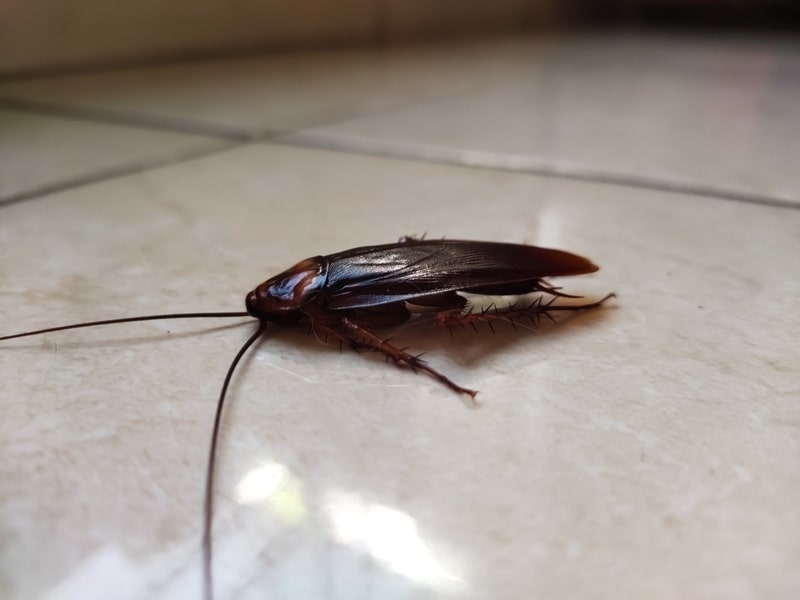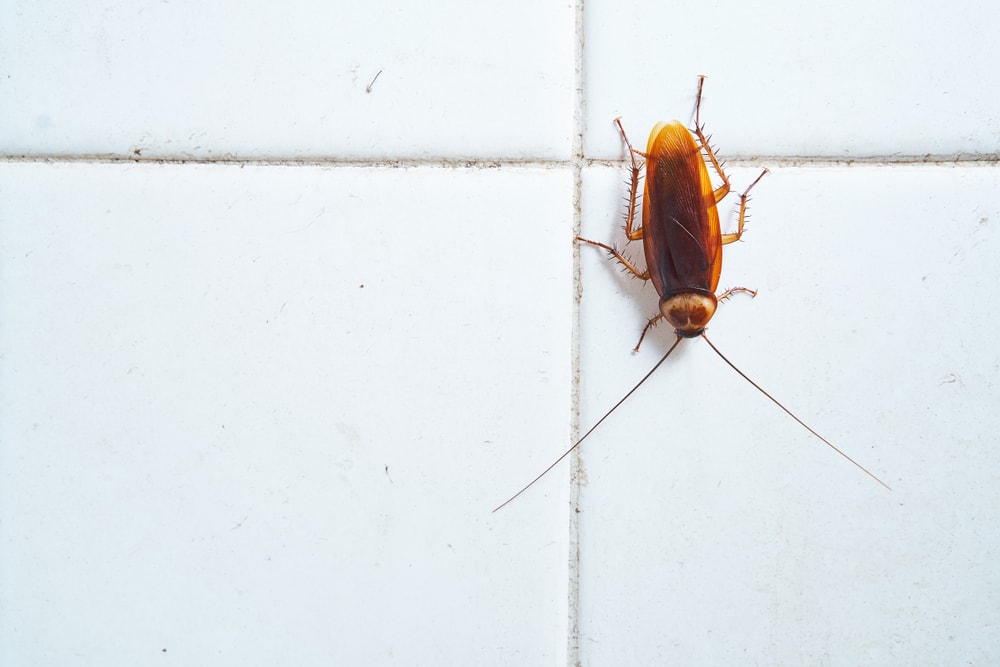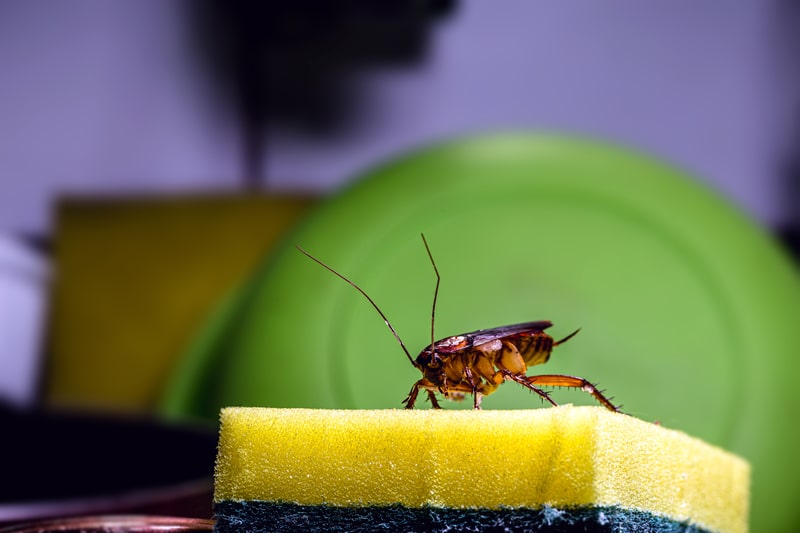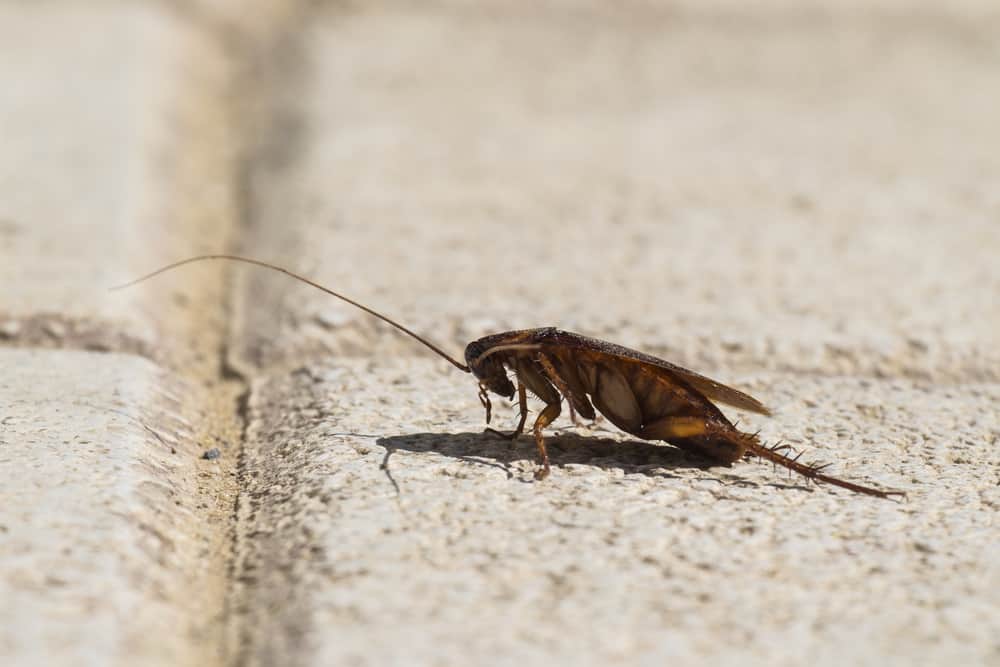

Brown-banded cockroach (Supella longipalpa)
Learn key facts about the brown-banded cockroach, its habits, dangers, and how to keep your home roach-free.
Updated: May 1st, 2025
The brown-banded cockroach (Supella longipalpa), sometimes called the brown cockroach or "furniture roach,” is a smaller type of cockroach that can be classified as domestic since it spends all its time indoors. Unlike some other cockroaches, this species doesn’t require high moisture to survive, making it common in bedrooms, living rooms, and other warm, dry spaces. Native to Africa, this cockroach has spread globally and is now prevalent in the Northeastern, Southern, and Midwestern regions of the United States. Learning about these light brown roach habits and utilizing professional roach control services are the best ways to manage infestations effectively.
Jump to section:
Brown-banded cockroach characteristics
Brown-banded cockroach behavior and habitats
Brown-banded roach life cycle and reproduction
Getting rid of brown-banded roaches in your home
Brown-banded cockroach characteristics
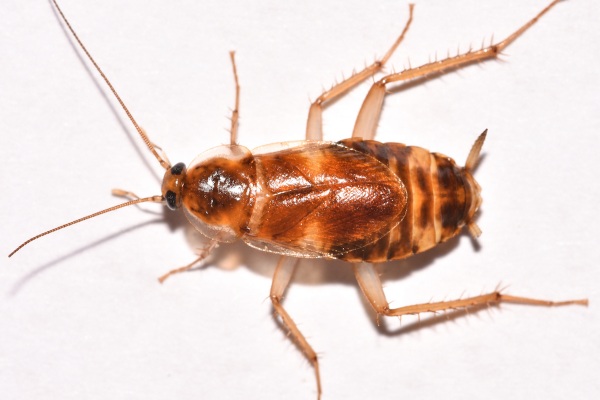
The brown-banded cockroach has a typical cockroach anatomy but distinctive physical traits that set it apart from other species. These unique traits are what make it easier to identify them when they invade your home. From their size and coloration to their ability to fly, these features are essential for cockroach identification and targeting infestations effectively. Here’s what you should be on the lookout for:
Size: Adult male brown-banded cockroaches are about half an inch long, while adult females are slightly shorter and stouter.
Color: These roaches are light brown with two distinctive brownish bands running across their wings and abdomen, giving them their name and why some identify it as “the cockroach with stripes.”
Wings and antennae: Males have fully developed wings and can fly short distances, whereas females have smaller wings and can not fly. Their long antennae are highly sensitive, helping them detect food and movement.
If you see droppings or egg capsules attached to walls or furniture, you may be dealing with a brown-banded cockroach infestation. Other signs of an infestation include seeing live roaches in higher, drier areas of your home and finding damage to non-food items like wallpaper, books, or fabric that these cockroaches may feed on. These pests are difficult to find during the daytime since they avoid light, so you’ll only see the roaches at night when they come out from their hiding spots to look for food. If you see any brown cockroach signs in your home, then contact the professionals early so they can get started with effective control measures.
Brown-banded vs. German roaches
Among common cockroach types, brown-banded and German cockroaches are often confused due to their similar size and color. However, there are notable differences between the two species:
Physical characteristics: Brown-banded cockroaches have distinct brown bands, or stripes, across their wings and abdomen, whereas German cockroaches lack these bands and are more uniformly brown.
Behavior: Brown-banded cockroaches prefer warm, dry areas and are often found in bedrooms, living rooms, or high cabinets. German cockroaches, on the other hand, need more moisture and are commonly found in kitchens and bathrooms.
Flight: Male brown-banded cockroaches can fly short distances, while German cockroaches rarely use their wings to fly.
While both species can be a nuisance, their habits and environments require slightly different approaches for effective management. Being able to distinguish between these two common cockroach types is vital for choosing the most effective control strategies in the event of a cockroach infestation.
Brown-banded cockroach behavior and habitats
Brown-banded cockroaches have very interesting behavior. Since they’re indoor pests, they love heated buildings and thrive in warm, dry environments, preferring temperatures between 77 and 91 degrees Fahrenheit. This makes them uniquely suited for areas like bedrooms, living rooms, and high cabinets. Unlike other cockroach species, they tend to avoid moisture-rich spaces like kitchens and bathrooms, instead favoring spots that provide warmth and easy access to food. These roaches are nocturnal, so they avoid light and stay hidden during the day, and only emerge at night to search for food.
Inside your home, they settle in elevated areas like walls, ceilings, and furniture. Females attach small yellowish-brown egg capsules to hidden surfaces, and when infested furniture is moved, it can spread the infestation throughout the home.
Brown-banded cockroaches are omnivores that eat almost anything organic, including decaying matter and human bodily fluids like sweat, blood, and mucus. If they can’t find food, they will eat non-food items like glue, stamps, and wallpaper. Their ability to adapt to various environments and hide in furniture makes them a challenging pest to manage, especially as they reproduce and spread quickly.
Are brown-banded roaches dangerous?
Brown-banded cockroaches are more than just a nuisance—they are dangerous and can pose serious risks to your health, home, and peace of mind. Their scavenging habits and ability to spread harmful pathogens make them a pest that should not be ignored. Here’s a closer look at the dangers they pose:
Dangers to humans and pets: Brown-banded cockroaches don’t bite, but their presence can cause stress and discomfort, particularly when infestations grow. Pets may also become agitated if they encounter these pests. Additionally, their droppings, shed skins, and egg capsules can trigger allergic reactions and worsen asthma symptoms, especially in children.
Diseases they can spread: These roaches are known to carry bacteria and protozoa and can contaminate food, utensils, and surfaces as they forage. They’ve been linked to the spreading of 33 types of bacteria, including those that cause diarrhea and gastroenteritis, which can lead to serious health concerns if left unchecked.
Damage they can cause: Brown-banded cockroaches can damage household items since they feed on non-food materials like glue, stamps, envelopes, wallpaper, and fabrics. This behavior can ruin belongings and create unsanitary conditions throughout your home.
The combination of health risks, property damage, and the psychological stress of an infestation makes early intervention critical. Utilizing professional roach control services is the most effective way to eliminate these pests and prevent them from returning, helping you reclaim your home and peace of mind.
Brown-banded roach life cycle and reproduction
Brown-banded roaches are experts at hiding and multiplying, making their life cycle a key factor in their persistence. Once they’ve found their way into your home, these roaches waste no time settling in and reproducing. Females produce egg capsules, or oothecae, which they carefully attach to hidden surfaces like furniture, walls, or other sheltered spots. These capsules are incredibly difficult to detect and remove, allowing the infestation to grow unnoticed. Here’s a closer look at the three life stages of the brown-banded cockroach:
Eggs: Female brown-banded cockroaches produce oothecae containing 16 to 24 eggs each. These capsules are glued to concealed areas, making them nearly impossible to locate without a thorough inspection. The eggs hatch within 50 to 75 days, depending on environmental conditions.
Nymphs: After hatching, brown-banded roach nymphs emerge as wingless juveniles. Over the next 90 to 270 days, the nymphs molt multiple times as they grow, gradually developing the bands and wings that are characteristic of adult roaches.
Adults: Fully mature brown-banded cockroaches live for three to six months. During this time, females can produce up to 14 oothecae, dropping one every 10 to 14 days. This rapid reproductive cycle enables infestations to grow quickly, especially under warm, dry conditions.
Breaking the life cycle of the brown cockroach is crucial to stopping an infestation before it spirals out of control. Addressing the problem at every stage—from eggs to adults—requires diligence and effective control strategies.
When dealing with brown-banded cockroaches, prevention and professional intervention are essential. In the next section, learn how to get rid of brown-banded roaches in your home with practical tips and proven solutions.
Getting rid of brown-banded roaches in your home
Brown-banded cockroaches can quickly spread throughout your home, especially in warm, dry areas like upper cabinets, closets, and furniture. Their ability to hide egg capsules makes them particularly challenging to control. Acting promptly and implementing both prevention and professional solutions are key to keeping these pests at bay.
Here are some effective prevention and control tips:
Seal entry points: Inspect your home for cracks, gaps, or openings around doors, windows, and utility lines. Seal these areas with caulk or weather stripping to block their entry.
Eliminate attractants: Store food in airtight containers, promptly clean up crumbs and spills, and remove trash regularly to reduce access to food.
Declutter and inspect: Remove clutter in high, dry areas such as closets, cabinets, and furniture where these roaches prefer to hide. Carefully inspect secondhand furniture or boxes for signs of roaches before bringing them indoors.
Address dry, elevated areas: Focus on inspecting and cleaning spots where brown-banded cockroaches thrive, including upper shelves, ceilings, and behind furniture.
Professional treatment: Rely on Terminix’s roach control services to tackle infestations with expert precision. Our team performs thorough inspections, applies targeted treatments, and provides customized solutions to eliminate roaches and prevent their return.
With their rapid spread and preference for dry areas, brown-banded cockroaches can be persistent pests. By combining preventative measures with professional assistance from Terminix, you can regain control of your home and ensure long-lasting protection. Schedule your free inspection today to keep these roaches out for good.