

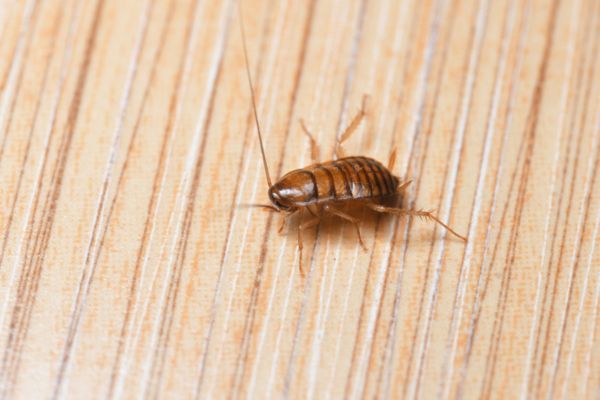
How to know if you have baby cockroaches in your house
Discovering little cockroaches crawling in your home can be unsettling, but addressing the issue swiftly is crucial. Cockroaches, like many insects, go through three stages of development: egg, nymph, and adult. Cockroach nymphs are often referred to as baby cockroaches. Although the size of these tiny cockroaches may vary depending on the species, all cockroach nymphs will undergo a process called molting. The process can take anywhere from six weeks to over one year.
That's why understanding what baby cockroaches look like can help you assess the magnitude of the problem. Identifying them early on can be the difference between preventing an infestation and dealing with a much more extensive and potentially harmful pest issue.
What do baby cockroaches look like?
Baby cockroaches can vary in appearance based on their species, but there are common traits to help identify them. Generally, these cockroach nymphs are smaller and lack the developed wings seen on adult cockroaches, making them more uniform in shape. Immediately after molting, they might appear white or gray due to their soft, new exoskeleton, which hardens and darkens over time. This molting process, with baby roaches going through five to ten stages called instars, can make them look slightly different after each molt. Baby cockroaches might be confused with other pests like bed bugs, but one distinct difference is their longer, more oval-shaped bodies compared to the shorter, rounder form of bed bugs.

Identifying the different types of cockroach nymphs
Cockroach nymphs in your home may be a sign of an infestation. Because cockroaches come into contact with bacteria that can cause illnesses (which can stick to their bodies), they need to be dealt with sooner rather than later. Here’s how to identify baby cockroaches of common species in the United States to help prevent serious infestations:
American cockroaches – American cockroach nymphs are about one-quarter of an inch in length. They change color as they shed their exoskeletons and grow, a process referred to as molting. Baby roaches begin as a black-brown color and evolve to the reddish-brown color of adults. Like adults, later-stage baby cockroaches also have a halo marking behind their heads.
German cockroaches – German cockroach nymphs are about one-eighth of an inch long. They are dark brown, almost black, in color. As they grow, they develop the black lines behind their heads and change to the pale brown or tan color of adults.
Brown-banded cockroaches – Brown-banded cockroach nymphs are small, measuring about one-eighth of an inch in length. Like adults, they are brown and have two wide, light-brown colored bands behind their heads.
Oriental cockroaches – Oriental cockroach nymphs are about one-quarter inch in length and are reddish brown in color. As they grow, their color darkens. Adults often appear black in color.
Smoky brown cockroaches – Smoky brown cockroach nymphs are about three-eighths of an inch long and are dark brown to black with white markings. They change to lighter shades of mahogany before eventually reaching the smoky brown color of adults.
Call in the cockroach professionals
The moment baby roaches make an unwanted appearance in your space, it's a clear signal to take immediate action. Different species of cockroaches can have as many as 40 baby roaches at a time. These tiny cockroaches are a sign of a potentially larger, hidden infestation that can quickly get out of control.
Don't be fooled by baby cockroaches and miss a big problem. Contact the Terminix cockroach experts today.