Australian cockroach (Periplaneta australasiae)
Learn useful facts about the Australian cockroach, including its habits, health risks, and how to keep it out of your home.
Updated: May 1st, 2025
The Australian cockroach (Periplaneta australasiae) is a tropical pest with a knack for making itself at home in warm, humid environments worldwide. Despite its name, this roach isn’t exclusive to Australia. It can be found thriving across different continents, including parts of the southern United States. It shares similar characteristics with other cockroaches but is often mistaken for its close relative, the American cockroach, because of its reddish-brown body and unique pale-yellow markings. Learning all about the Australian cockroach can help you take the right steps for effective roach control.
Jump to section:
Australian cockroach characteristics
The Australian cockroach has distinct physical features that make it stand out among other cockroaches despite its resemblance to the American cockroach. Here’s what you should know about its anatomy and how to spot signs of an infestation:
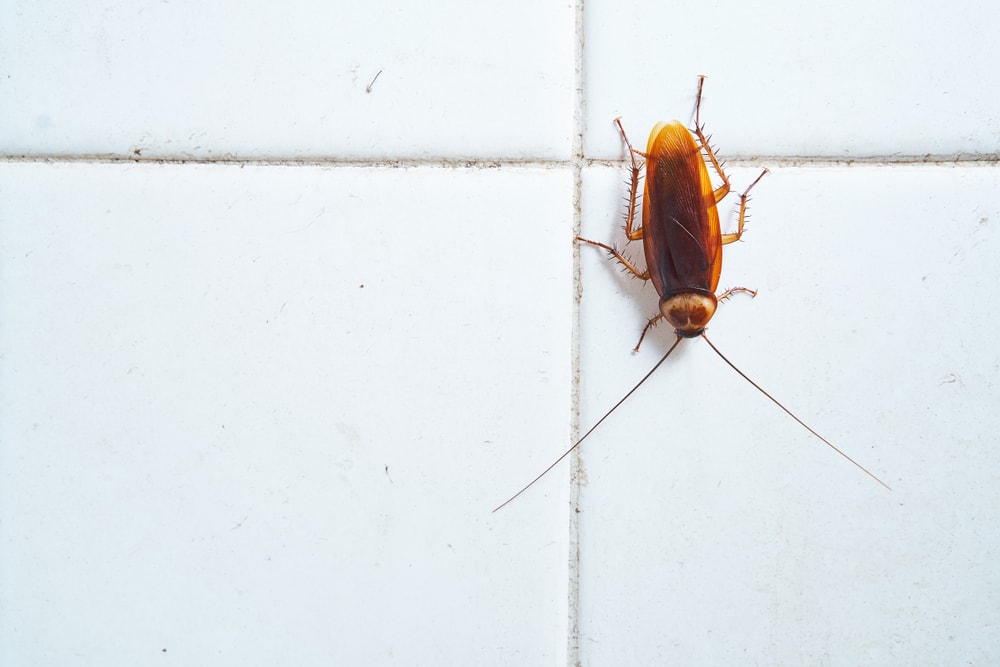
Size: The Australian cockroach’s size measures between 1.2 and 1.5 inches in length.
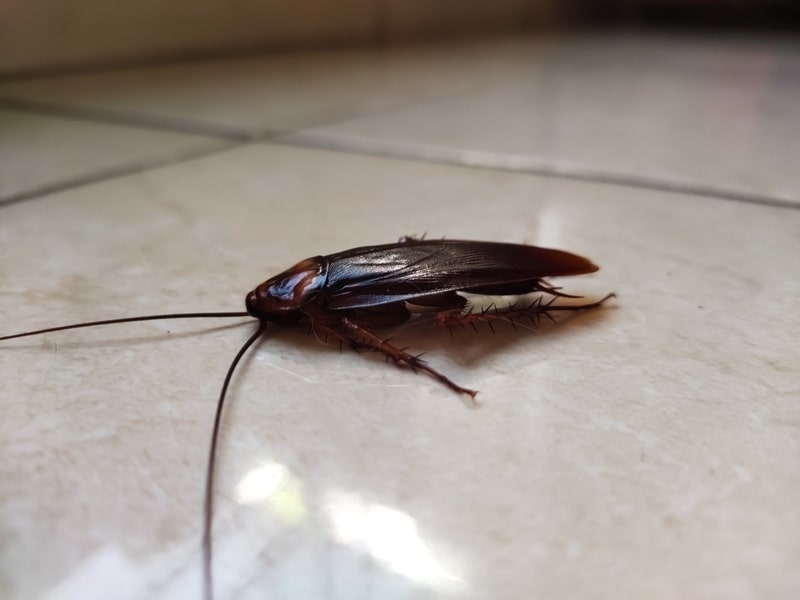
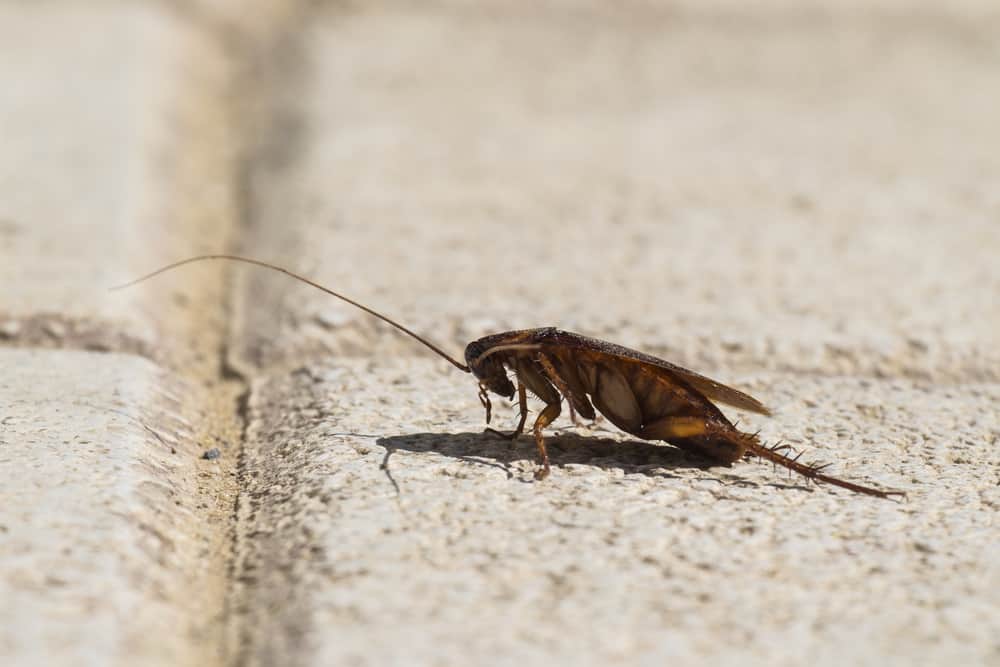
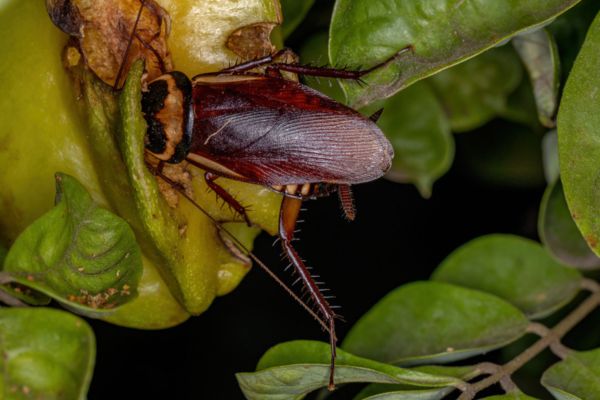
Color: These cockroaches have a reddish-brown body with unique pale-yellow markings. A black spot or shape on their pronotum is encircled by a pale ivory-yellow band, and their forewings feature pale-yellow stripes that extend about one-third the length of the wing base.
Wings and antennae: Fully developed wings allow Australian cockroaches to glide short distances. Their long, slender antennae help them navigate, detect food, and sense environmental changes.
Spotting live Australian cockroaches near warm, humid areas such as kitchens, bathrooms, or basements is a clear indicator of their presence. Other signs include droppings that resemble coffee grounds, shed skins from their growth cycle, and egg capsules (oothecae) hidden in dark, damp corners. Knowing these signs is crucial for identifying a cockroach problem early and implementing effective control measures.
Australian vs. American roaches
Amongst the different roach types, the Australian and American cockroaches are often mistaken for one another. This is because they look strikingly similar. However, there are key differences in their physical characteristics and behavior that can help you tell them apart.
Physical characteristics: While both species have reddish-brown bodies, Australian cockroaches are slightly smaller, measuring 1.2 to 1.5 inches, compared to the American cockroach, which can grow up to two inches long. The most distinct feature of the Australian cockroach is the pale-yellow band around the black spot on its pronotum and the pale-yellow stripe that extends along the base of its forewings. These markings are absent in American cockroaches, making the Australian species more visually distinctive.
Behavior: Both roaches are attracted to warm, humid environments, but Australian cockroaches are more likely to remain outdoors, typically residing in gardens, mulch, or woodpiles. In contrast, American cockroaches are more aggressive indoor pests, commonly found in basements, sewers, and kitchens. Additionally, Australian cockroaches are more likely to fly short distances using their wings, whereas American cockroaches rarely fly unless startled or in warm conditions since warm air helps them generate enough lift for gliding.
While both species can be a nuisance, their habits and environments require slightly different approaches for effective management.
Australian cockroach behavior and habitats
The Australian cockroach thrives in tropical and subtropical climates, making heat and humidity critical to its survival. Knowing about their roach behavior is essential for addressing infestations effectively. Here’s what’s helpful to know.
Preferred habitats: These cockroaches are good flyers and are often found outdoors in trees, mulch, and other vegetation. Indoors, they gravitate to warm, moist areas such as heated fish tanks, attics, and crawl spaces.
Attraction to homes: Heat, humidity, and food are the main attractions for Australian cockroaches. They can enter through open doors, windows, or gaps in screens, especially when flying in from nearby trees or vegetation.
Nocturnal behavior: Australian cockroaches are most active at night when they forage for food and explore their surroundings. During the day, they hide in dark and humid spaces.
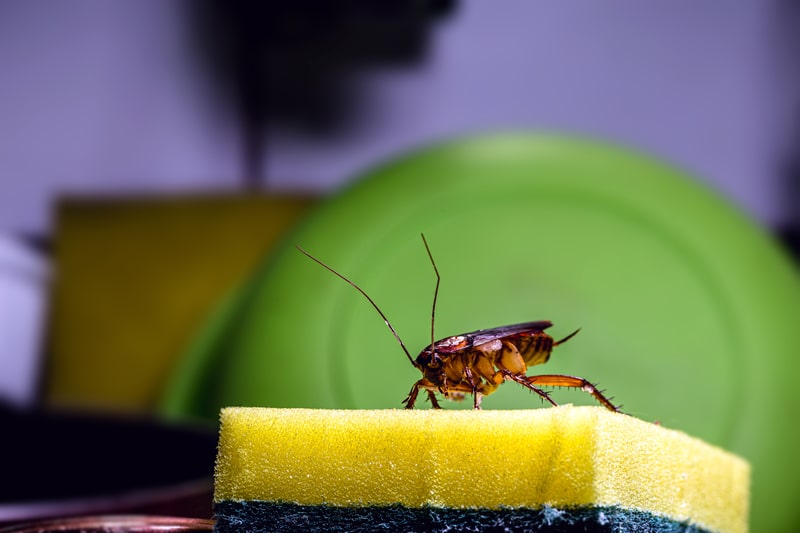
Diet: These pests are omnivorous and opportunistic feeders, consuming plant matter, food crumbs, and even decaying organic material. They can also target stored food in kitchens and pantries.
To prevent Australian cockroaches from entering your home, it’s important to focus on sealing entry points and addressing warm, humid areas where they thrive. Keeping attics, crawl spaces, and other potential hiding spots clean and dry can help reduce the likelihood of infestations.
Are Australian roaches dangerous?
While Australian cockroaches are less aggressive and dangerous than some other roach species, their presence can still pose risks to humans and pets. Here’s a closer look at the potential dangers:
Dangers to humans and pets: While they don’t bite or sting, Australian cockroaches can cause psychological stress due to their sudden appearance and flying behavior. Pets may also become agitated by their presence.
Diseases they can spread: These cockroaches can transfer bacteria like salmonella and E. coli by contaminating food, surfaces, and utensils. Their droppings and shed skin may trigger allergies or asthma.
Damage they can cause: Although they don’t cause structural damage, they can contaminate stored food and leave droppings that require cleaning, creating a nuisance in the home.
While their danger is more nuisance-based than physical, addressing an infestation quickly is essential to maintaining a healthy and stress-free home environment. Proper prevention and roach control methods can help mitigate these risks effectively.
Australian roach life cycle and reproduction
Like other cockroach species, the Australian cockroach has a 3-stage life cycle with a rapid reproductive cycle that makes them extremely troublesome. With females capable of producing hundreds of eggs in their lifetime, these pests can multiply quickly under the right conditions. Here’s a closer look at their life cycle:
Eggs: Female Australian cockroaches produce oothecae (egg capsules) containing 16 to 24 eggs. These capsules are carefully hidden in tight, moist spaces like under wood piles and debris, making them difficult to detect and remove. Eggs hatch within 30 to 40 days.
Nymphs: Once hatched, Australian roach nymphs emerge as wingless juveniles. This stage lasts six to 12 months, during which nymphs molt multiple times as they grow closer to their adult form.
Adults: Fully mature Australian cockroaches can live up to eight months. During this time, females can produce 12 to 30 oothecae, dropping one every 10 days. With each capsule containing multiple eggs, infestations can grow quickly.
Despite the Australian roach’s small size, which might make it seem less intimidating than other species, its ability to reproduce at high rates highlights the importance of early intervention. Taking steps to break this cockroach’s life cycle is critical in preventing infestations.
Are Australian roaches hard to get rid of?
To put it simply, yes, Australian cockroaches can be challenging to eliminate, especially due to their ability to reproduce quickly and hide in hard-to-reach places. Since female roaches can lay up to 700 eggs in their lifetime, this rapid reproduction allows infestations to grow significantly within a short period of time.
To prevent and control these pests, here are some effective tips:
Seal entry points: Inspect your home for cracks, gaps, or openings around doors, windows, and utility lines, and seal them with caulk or weather stripping.
Eliminate attractants: Minimize moisture by fixing leaks and reducing humidity in areas like basements and crawl spaces. Store food in sealed containers and promptly clean up spills or crumbs.
Maintain your yard: Remove debris, woodpiles, and leaf litter from the foundation of your home to reduce outdoor hiding spots.
For thorough and lasting results, professional roach control services are essential. Terminix offers customized solutions that include identifying problem areas, targeted treatments, and preventative measures to eliminate Australian cockroaches and keep them from coming back. Our experts can even provide a free inspection to evaluate the situation and recommend the best course of action.