Content Updated: March 3rd, 2025
The Asian cockroach (Blattella asahinai) is a fast-flying pest that closely resembles the German cockroach, often leading to the two species getting confused. Originally from Southeast Asia, this cockroach has spread globally and mostly thrives in warm, humid climates, becoming a significant pest in parts of the southeastern United States. Unlike many other cockroaches, Asian cockroaches prefer outdoor environments but can still invade homes, especially during warmer months. Learning about their habits and effective roach control strategies is key to preventing infestations and keeping these pests out of your home.
Asian cockroach characteristics

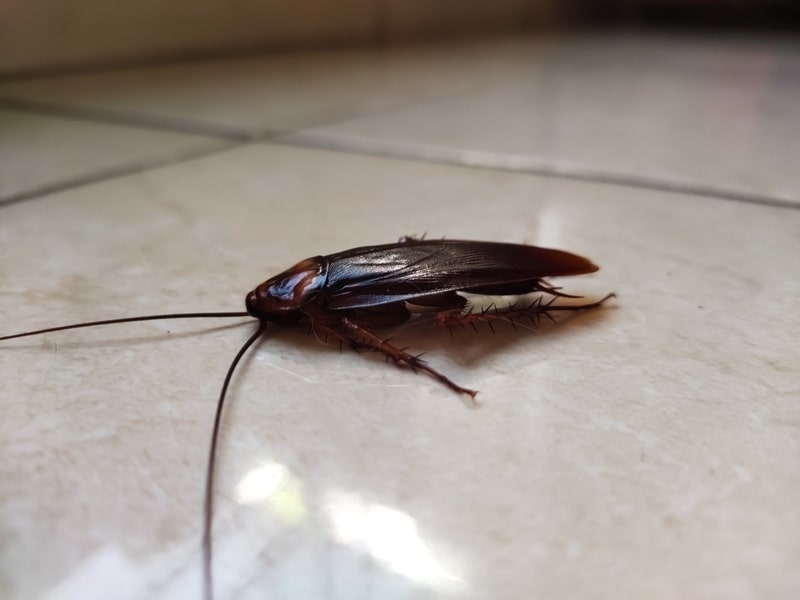
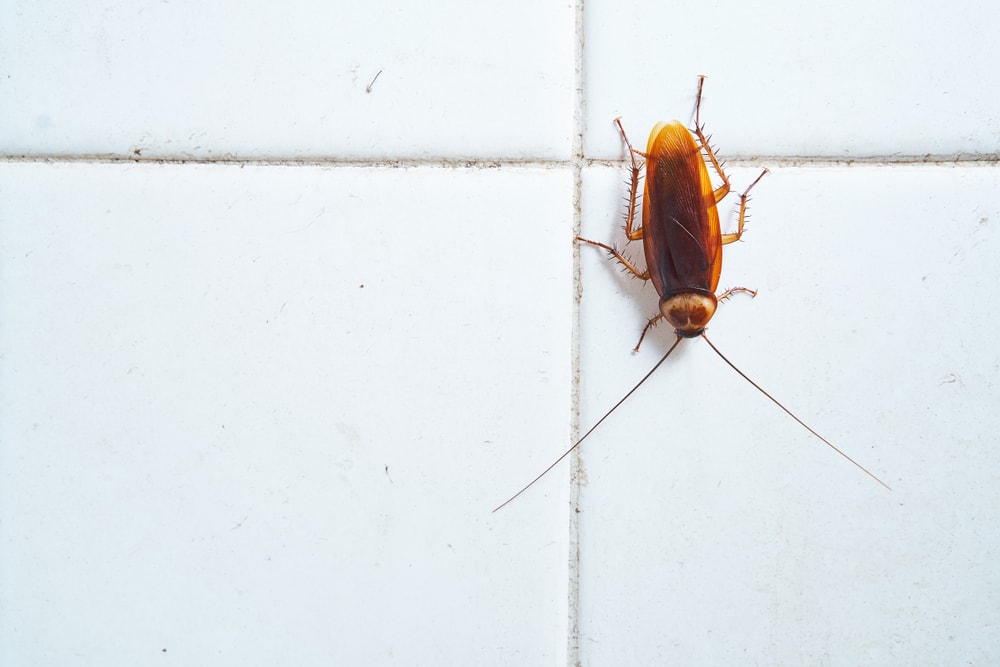
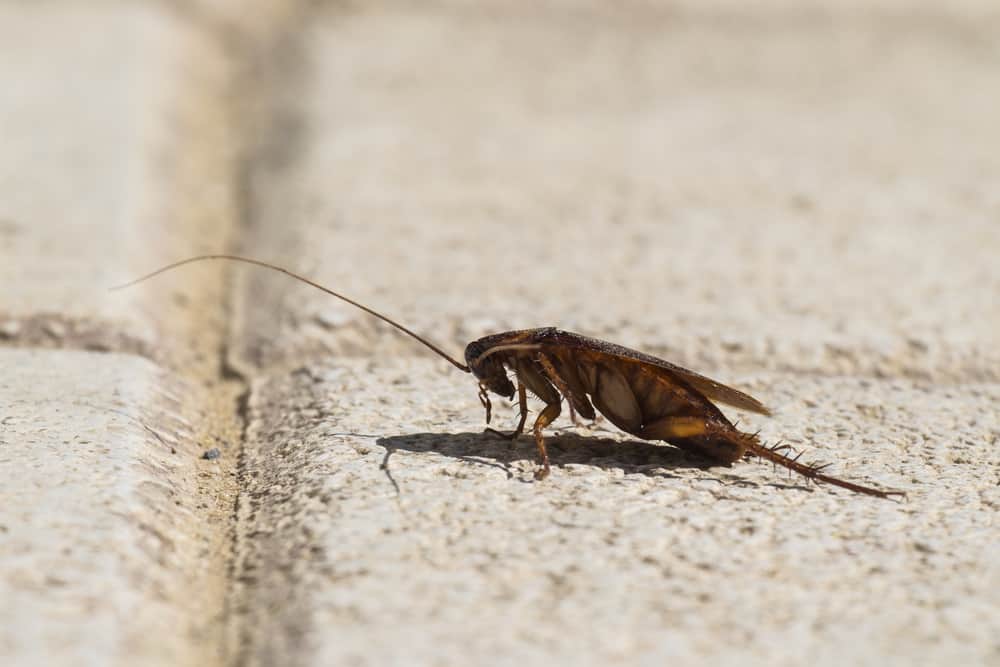
The Asian cockroach may blend into its surroundings, but its distinct physical traits help it stand out in unexpected ways. Recognizing cockroach anatomy can help in proper cockroach identification and prevention.
Size: Asian cockroaches grow up to five-eighths of an inch long, putting them on the smaller side when compared to other cockroaches.
Color: These cockroaches are tan to dark brown, with two distinct dark stripes running behind their heads. Their coloring helps them blend into outdoor environments like mulch or leaf litter.
Wings and antennae: Adult Asian cockroaches have strong, fully developed wings and are highly capable fliers. They can fly distances of up to 120 feet at a time, especially when disturbed. Their long, slender antennae are used to detect food, moisture, and potential threats.
Spotting live Asian cockroaches flying indoors or near light sources at night is one of the clearest indicators of their presence. Droppings, shed skins, or egg cases in outdoor spaces like gardens or mulch may also signal an infestation. While they prefer outdoor environments, Asian cockroaches can invade homes when drawn in by light or food.
Asian vs. German roaches
Of all the different roach types, the Asian and German cockroaches are often mistaken for one another because of their similar appearance. While they share a similar tan to dark brown color with two distinct stripes behind their heads, there are notable differences in their physical traits and behavior.
Physically, Asian cockroaches are slightly lighter in color and have longer, stronger wings that enable them to fly distances of up to 120 feet. German cockroaches also have wings but rather than flying, they use their wings to glide after jumping from a perch.
In terms of behavior, Asian cockroaches are highly attracted to light and are often seen flying toward illuminated areas such as porch lights or windows. German cockroaches avoid light and prefer hiding in dark, concealed areas indoors. While both species are omnivorous, Asian cockroaches forage more outdoors, feeding on pet food, flowers, crops, and even waste matter, whereas German cockroaches primarily focus on scraps and debris found inside homes.
Asian cockroach behavior and habitats
The Asian cockroach is not native to the United States but has adapted to certain regions since its introduction. Understanding their roach behavior and habits can help prevent encounters. Here’s what to know:
Preferred habitats: Asian cockroaches thrive in warm, humid environments and are typically found outdoors. They gravitate to areas with mulch, compost, leaf litter, and shaded spaces such as gardens and grassy yards.
Attraction to homes: While primarily outdoor pests, Asian cockroaches can enter homes when attracted to bright lights at night. They often slip inside through open windows, doors, or gaps in screens.
Nocturnal behavior: These cockroaches are nocturnal, staying hidden during the day and becoming active at night as they search for food.
Diet: Asian cockroaches are omnivorous, feeding on plant materials, pet food, and household scraps. Their outdoor diet includes decaying vegetation, making gardens a prime feeding ground.
Taking steps to limit what attracts Asian cockroaches to your property, like reducing outdoor clutter and securing entry points, can make a big difference in keeping them where they belong—outside. With their strong flying abilities and nocturnal habits, these pests are fascinating but best admired from a distance. Proactive measures can ensure your home remains a comfortable, roach-free environment.
Are Asian cockroaches dangerous?
While Asian cockroaches are not as harmful as some other roach types, their presence can still lead to potential risks and stress for homeowners. Here’s a closer look at the dangers they pose:
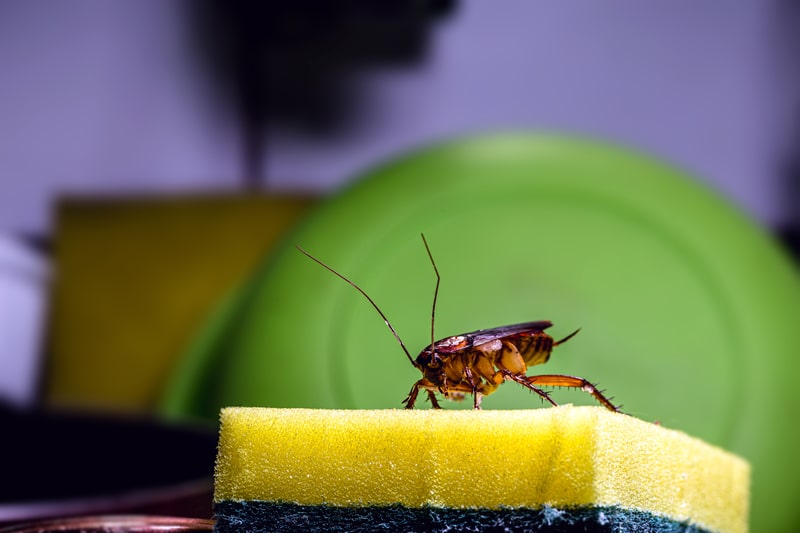
Dangers to humans and pets: Asian cockroaches are not aggressive and do not bite or sting. However, their presence can still create discomfort, especially if they are flying toward light sources or appearing on surfaces like TV screens or lampshades. Their presence can also cause stress and anxiety, creating a strong psychological impact for some people.
Diseases they can spread: Like other cockroach species, Asian roaches can pick up bacteria from unsanitary outdoor areas such as garbage or compost. When they enter homes, they may transfer these pathogens to clean surfaces, potentially spreading illnesses like salmonella or E. coli.
Damage they can cause: Asian cockroaches don’t cause structural damage to homes but can contaminate food and surfaces with their droppings. This can lead to the need for extensive cleaning or the disposal of food.
While the cockroach danger posed by Asian roaches is relatively low compared to other species, their presence can still disrupt your home’s comfort. Taking steps to prevent their entry and addressing infestations promptly is key to maintaining peace of mind. If you’re wondering how to get rid of Asian cockroaches, keep reading to learn prevention tips, control methods, and how professional roach control services can help get rid of these pests for good.
Asian roach life cycle and reproduction
The life cycle of the Asian cockroach begins with the egg stage and progresses through distinct phases, culminating in their short but active lifespan. Peak population growth occurs from early spring through summer, while populations naturally decline during the colder months. Here’s a closer look at their life cycle:
Eggs: Female Asian cockroaches produce oothecae (egg capsules), each containing multiple eggs. They carry their egg on them until shortly before the embryos hatch from the oothecae. These capsules are typically laid in moist, concealed outdoor areas like mulch or leaf litter. Eggs hatch within 20 to 50 days, depending on environmental conditions.
Nymphs: After hatching, Asian roach nymphs emerge as smaller, wingless versions of adult cockroaches. Nymphs molt several times as they grow, with this stage lasting a few weeks to months, depending on temperature and food availability.
Adults: Fully grown Asian cockroaches are equipped with long wings and are capable fliers, often seen at dusk when they are most active. Adults are drawn to bright lights and light-colored surfaces, which frequently bring them near homes. Their lifespan is relatively short, typically lasting only 100 to 120 days.
Asian cockroaches can quickly establish outdoor populations due to their rapid reproduction during warmer months. While they rarely reproduce indoors, their outdoor presence and attraction to light increase the likelihood of encountering them near or inside your home. Addressing infestations requires disrupting their life cycle at every stage.
Prevention and treatments for Asian roaches
If you’re wondering how to get rid of Asian cockroaches, the key lies in combining effective prevention with professional pest control. While Asian cockroaches prefer to stay outdoors, their attraction to light and ability to fly indoors can lead to occasional encounters. Without proper control, outdoor populations can quickly grow during peak seasons, increasing the chances of an infestation near your home.
Here are some tips to help keep Asian cockroaches in your house at bay:
Seal entry points: Inspect your home for gaps around doors, windows, and utility lines. Use caulk or weather stripping to close these openings and prevent cockroaches from flying inside.
Manage outdoor lighting: Reduce the use of outdoor lights at night or switch to yellow “bug” bulbs, which are less attractive to insects.
Maintain yard cleanliness: Keep gardens, mulch, and leaf litter away from the foundation of your home. Regularly clean up debris and trim back vegetation to eliminate potential hiding spots.
Proper food storage: Store food in sealed containers and promptly clean up spills or crumbs to avoid attracting cockroaches.
For lasting results, trust Terminix to handle the problem. Our roach control services start with a free inspection to identify problem areas, and then targeted treatments to eliminate existing infestations, and customized plans to prevent future occurrences. Whether you’re dealing with Asian cockroaches in your house or managing outdoor populations, Terminix offers proven solutions to protect your home.