American Cockroach
(Periplaneta Americana)
Content Updated: March 5th, 2025
The American cockroach (Periplaneta americana), also commonly called a waterbug or ship cockroach, is one of the largest and most recognizable cockroach species. Despite its name, this pest is native to Africa and the Middle East but is now found worldwide, thriving in warm and humid environments. American cockroaches were introduced to the United States through trade routes in the 1600s. Learning about the American cockroach life cycle, behaviors, and how to get rid of American cockroaches can help you control the situation and protect your home from infestations and the health risks these pests can pose.
American roach lifecycle and reproduction
The American cockroach life cycle is a fascinating process with distinct stages that allow these pests to adapt and thrive. Female cockroaches are incredibly productive and capable of laying hundreds of eggs throughout their lifespan. Here’s a breakdown of their lifecycle stages:
Eggs: Female American cockroaches produce oothecae, or egg sacs, each containing about 16 eggs. These sacs are often glued to hidden surfaces like debris, corners, or cracks to keep them safe. In ideal conditions, females can produce up to two egg sacs per week, resulting in over 300 offspring during their lifetime.
Nymphs: After hatching, nymphs emerge as smaller, wingless versions of adult cockroaches. During this stage, they molt several times as they grow, shedding their exoskeleton to develop into mature adults. This phase is critical for their development and can last for several months, depending on environmental factors.
Adults: Once fully developed, American cockroaches have reddish-brown bodies, wings, and long antennae. Adult females can live anywhere from 90 to 706 days, while males typically survive 90 to 362 days. Their lifespan varies based on food availability, temperature, and other environmental conditions.
The total time for an American cockroach to progress from egg to adult ranges from 168 to 786 days. This variability highlights their resilience and adaptability, allowing them to thrive in various environments.
Managing infestations requires addressing all stages of the American cockroach life cycle, from eggs to adults. By targeting these pests at every stage, you can disrupt their reproduction and prevent their population from growing.
American cockroach characteristics
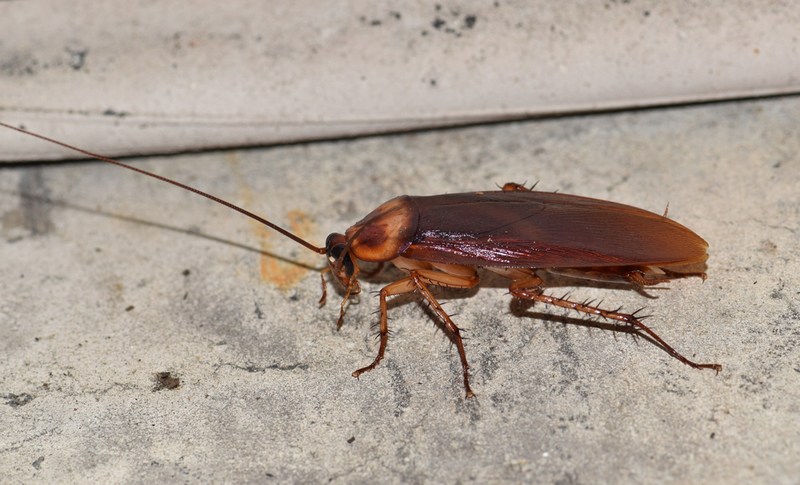
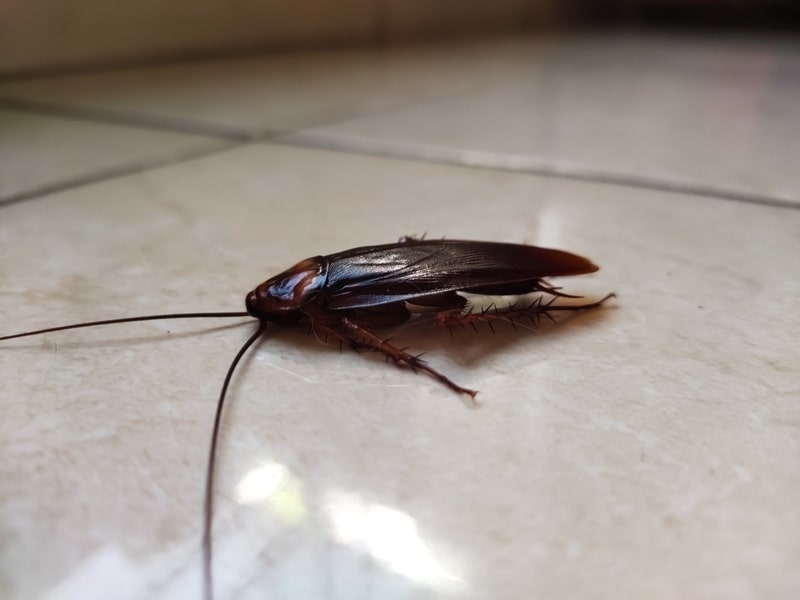
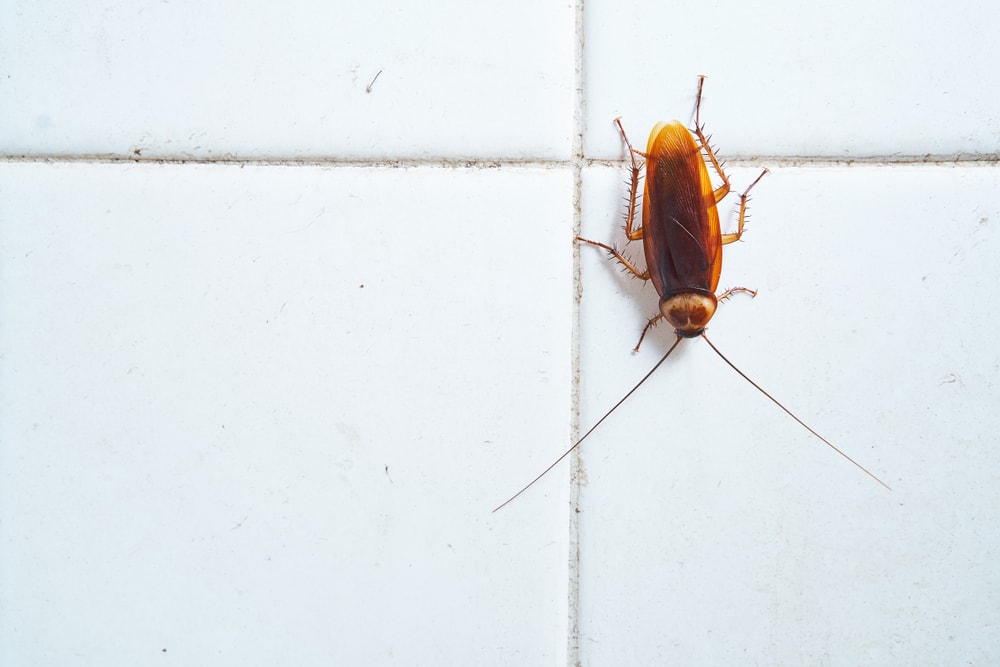
The American cockroach is one of the most recognizable and largest cockroach species, making it easier to identify when you find them in your home.
Size: The adult American cockroach size is typically about 1.5 inches in length but can grow up to 2 inches, making it one of the biggest common cockroach species. The American cockroach nymph, in comparison, is much smaller and lacks wings until it matures.
Color: Adult American cockroaches have reddish-brown wings, with light, circular or figure-eight markings and a pale band around the pronotum, the shield-like structure that partially covers their head. Nymphs are a similar reddish-brown color and are sometimes mistaken for Oriental cockroach nymphs due to their appearance.
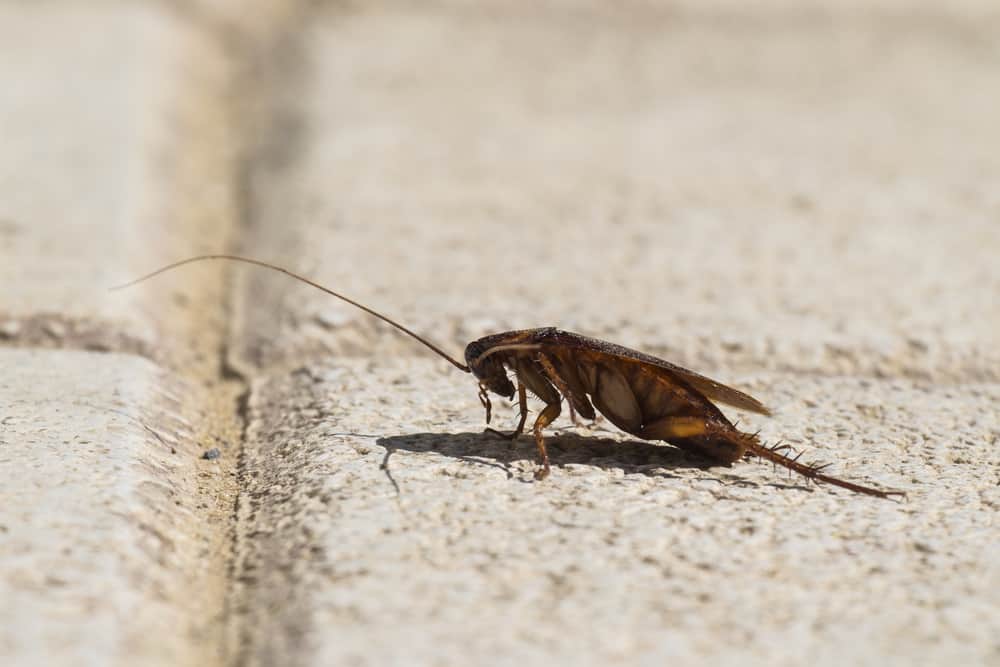
Wings and antennae: Adult cockroaches have fully developed wings that extend beyond their abdomen. While they prefer to glide short distances, they are capable of flight at temperatures above 85F. Their long, thin antennae are highly sensitive and help them detect food, moisture, and potential threats.
Spotting live cockroaches in kitchens, basements, or other warm, moist areas is a key sign of a cockroach infestation. Other indicators include droppings resembling coffee grounds, shed skins from molting, and a musty odor.
It’s important to learn about cockroach anatomy so you can spot the signs early and take the necessary steps to address the issue before it worsens. Recognizing these pests is the first step toward effective American cockroach control.
American roaches behavior and habitats
The behavior of the American cockroach is closely tied to its need for food, water, and warmth. These cockroaches thrive in damp, humid places and are most active at night. Despite their name, they are found worldwide and prefer environments where temperatures stay at or above 70 degrees Fahrenheit.
American cockroaches are attracted to homes by easily accessible food, water, and shelter. They enter through cracks in walls, drains, open doors, and windows or by hitching a ride on items like boxes, bags, or furniture. Inside homes, they gravitate to crawlspaces, attics, bathrooms, and kitchens, especially where moisture is present. Outdoors they often settle in wood piles, hollow trees, or under dead logs, particularly in southern states.
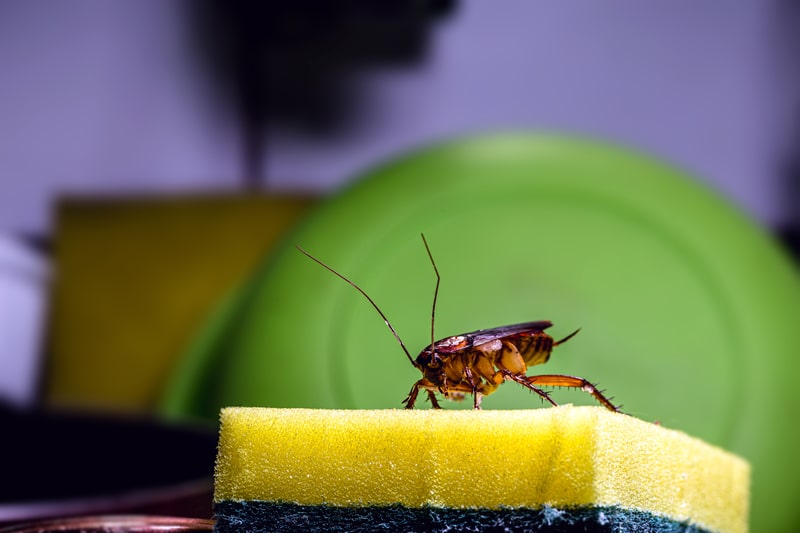
These pests are highly opportunistic eaters. The American cockroach will consume nearly anything, including human food, grease, soap, and even feces. Their eating habits allow them to thrive in unsanitary conditions, increasing the risk of contamination wherever they go.
These cockroaches also communicate using pheromones to select the best locations for aggregating. Multiple generations may coexist in the same area, resulting in significant infestations if left untreated.
Are American roaches harmful?
American cockroaches pose significant dangers to humans and pets, not just as a nuisance but as potential carriers of harmful bacteria. These pests often feed in unsanitary areas, such as garbage cans, drains, and sewers, before contaminating clean surfaces in your home. As they move, bacteria cling to their bodies and legs, spreading pathogens like salmonella and E. coli. Like other cockroaches, they produce allergens that can trigger asthma or allergic reactions, especially in children.
Beyond spreading diseases, American cockroaches can damage your home by contaminating food, utensils, and other surfaces with droppings and shed skins. Their presence can also result in a musty odor that worsens with larger infestations. For pets, American roaches can introduce intestinal parasites if ingested, adding to the health risks.
Protecting your home requires diligent cleaning, securing food, and removing trash regularly to reduce the risk of contamination. Getting rid of these pests through effective American cockroach control methods is crucial for ensuring the safety and well-being of your home.
Prevention and treatments for American roaches
American cockroaches are well known for how quickly they can turn into an infestation. With females capable of producing hundreds of eggs in their lifetime, populations can grow rapidly, especially in warm, damp environments. Once established, these pests can be difficult to eliminate because of their resilience and ability to hide in hard-to-reach areas.
Preventing an infestation starts with addressing what attracts these roaches in the first place. If you’re seeing American cockroaches in your house, minimize moisture by fixing leaks, use tightly sealed containers for food storage, and remove clutter or debris where cockroaches can hide. Keeping surfaces clean and trash bins sealed also goes a long way in reducing their access to food and shelter.
If you’re wondering how to get rid of American cockroaches, professional services are the most reliable option for roach control. Terminix offers a comprehensive approach to dealing with American cockroaches, starting with a thorough and free inspection to identify problem areas. Our specialists then implement targeted treatments and preventative measures to eliminate the infestation and stop it from recurring. With customized plans and proven methods, Terminix ensures your home is protected from these persistent pests.
Don’t let American cockroaches take over your home. Trust Terminix to provide the expertise and tools needed to create a roach-free environment.