DIY
Preventing centipede and millipede infestations
Content Updated: February 19th, 2025
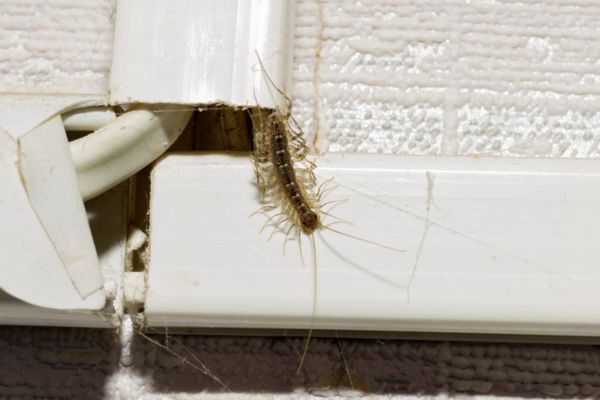
Centipedes and millipedes may try to find their way into your home – but that doesn't mean they have to stay. While both of these critters have beneficial roles in the ecosystem decomposing organic matter, they can quickly become a nuisance when they invade your living space. Understanding why they are attracted to your home is the first step in centipede and millipede prevention. From addressing moisture issues to sealing entry points and eliminating potential food sources, you can take several proactive measures to prevent an infestation. Learn how to keep centipedes and millipedes out of your house and when it’s time to enlist the help of a Terminix professional.
What attracts these bugs to your home?
Centipedes and millipedes often seek refuge in our homes, looking for moisture, food, and shelter. These pests find their way inside through cracks and crevices in walls, gaps around doors and windows, unsealed basements, and openings around utility lines and vents. Here are the most common reasons you may be dealing with a centipede or millipede infestation in your home.
Moisture and humidity: These pests thrive in damp environments, often seeking refuge in areas like basements, bathrooms, and laundry rooms, where humidity levels are high. They depend on moisture for survival, and leaky pipes, poor ventilation, and standing water create ideal living conditions. As homes become more humid, they also attract other insects, providing a food source for centipedes.
Food sources: Centipedes primarily feed on small insects, spiders, and other invertebrates, while millipedes are drawn to decaying plant material and organic matter. When homes provide an abundance of these food sources—such as crumbs, dead insects, or decaying leaves—they become more appealing habitats.
Shelter and darkness: These pests prefer damp, dark environments, which makes basements, bathrooms, and cluttered storage areas particularly appealing. Once inside, they capitalize on hidden spaces, finding comfort in places where light can’t reach them. Clutter and debris provide perfect hiding spots, allowing them to stay hidden.

How to help keep centipedes and millipedes out
If centipedes and millipedes find their way inside your home, they can leave behind a host of problems. Luckily, there are some ways to help keep centipedes and millipedes out.
Seal entry points
Start by inspecting walls, windows, and doors for any cracks, gaps, or holes. Pay particular attention to basement windows, foundation walls, and door thresholds, as these are common entry areas. Use caulk or sealants to close entry points and install weather stripping around doors to create a barrier that blocks their entry. Make sure window screens are intact and repair any damage to these barriers. For added protection, consider adding mesh to attic or foundation vents to keep these pests at bay.
Reduce moisture in your home
Centipedes and millipedes thrive in damp environments, making it crucial to reduce moisture levels in your home. Start by fixing any plumbing leaks in areas such as under sinks or in bathrooms and basements. Even minor leaks can create attractive habitats for these pests. Dehumidifiers can significantly lower humidity levels, making your home less inviting for centipedes and millipedes. Additionally, ensure that areas like basements and bathrooms are well-ventilated to reduce moisture buildup and promote airflow. Remove any standing water under appliances, by drains, or in other hidden spots that may be vulnerable to water accumulation.
Eliminate hiding spots and sources of food
To effectively eliminate hiding spots and food sources for centipedes and millipedes, start by decluttering your home. Remove clutter, particularly in basements, storage rooms, and closets, where these pests often find refuge. Vacuum regularly to remove food crumbs, debris, and dead insects that centipedes and millipedes are attracted to. Outdoors, focus on yard maintenance by raking leaves, cleaning gutters, and removing decaying organic matter near the foundation. This reduces the organic material that millipedes find appealing.

Use physical and natural repellents
Many homeowners turn to physical and natural repellents for centipede and millipede prevention.
Essential oils: Centipedes dislike strong scents, and using essential oils, such as tea tree, peppermint, or eucalyptus, can help deter these pests. Spray the diluted oil around areas where centipedes are commonly found, like doors, windows, and baseboards.
Sticky traps: Set sticky traps around common entry points to capture and keep centipedes and millipedes out of your house.
Diatomaceous Earth (DE): Apply diatomaceous earth around your home’s foundation and entryways; this natural powder is safe for humans and pets but can harm insects by damaging their exoskeletons.
Barrier treatment: Professionals can apply a barrier treatment of pesticides around the perimeter of your home. This can help control areas with high insect activity.
Still struggling with a centipede or millipede infestation?
If you're dealing with a centipede or millipede infestation, it may be time to enlist the help of a professional. While DIY methods can provide some relief, they often fail to fully address the problem. Professionals are equipped with the techniques and treatments that can tackle infestations and help prevent future occurrences.
Need to get rid of house centipedes and millipedes? Terminix can help. With our Pestfree365+ plans, you can help protect your home from centipedes and millipedes, along with up to 37 other common household pests.1
1 To see our Covered Pests, visit Terminix.com/pest-control/pestfree365/