DIY
Tips for centipede and millipede removal
Updated on: January 14, 2025
Centipedes and millipedes can easily become unwelcome guests in our homes. These pests thrive in damp environments and may wander in seeking shelter or moisture, leading to unsettling encounters for homeowners. While centipedes are known for their quick movements and certain species' venomous bites, millipedes can be a nuisance due to their overwhelming numbers and unpleasant odors. If you find yourself facing a millipede or centipede invasion, it’s essential to take action to protect your living space from potential infestations. Learn how to get rid of house centipedes and millipedes from your home.
What attracts house centipedes and millipedes to your home?
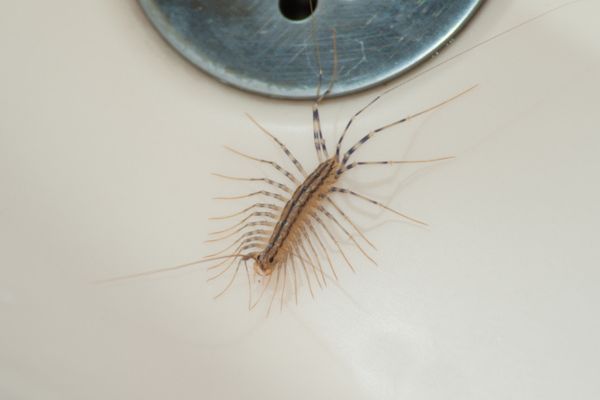
Centipedes and millipedes in the house are often drawn inside due to their search for moisture and shelter. Centipedes and millipedes usually live outside in damp areas under mulch, leaves, compost piles, flowerpots, boards, or stones. However, they may wander into your house by mistake or in search of water during periods of drought or in need of shelter when heavy rains drive them from their natural habitat, causing an infestation in your home, basement, crawl space, or garage. You can usually tell if you have an infestation by spotting the centipedes' long, thin bodies with numerous legs, often skimming quickly across the floor, or the smoother, rounded bodies of millipedes, which tend to move more slowly. If you have a heavy centipede or millipede infestation in your house, these pests are likely breeding in your lawn, under mulch, leaf litter, or debris near your foundation.

Getting rid of centipedes and millipedes
Fortunately, there are effective strategies to remove house centipedes and millipedes and prevent these pests from making your home their own. Here are some practical tips to help you get rid of centipedes and millipedes and stop them from coming back.
Remove food sources
Centipedes are carnivores that primarily feed on other insects, spiders, and small invertebrates. Millipedes, on the other hand, are detritivores that thrive on decaying plant material, leaves, and rotting wood. By eliminating potential food sources, you can significantly reduce their populations. Keeping areas free of debris, such as piles of leaves, mulch, and wood, helps to cut down on the habitats where insects and their primary food sources can thrive.
Seal entry points
These pests can enter your home through the smallest of cracks and crevices. Here’s how you can seal entry points to help stop these pests from coming inside:
Apply thresholds or tight-fitting door sweeps at the base of all exterior doors.
Caulk the sides and bottom outside edge of door thresholds.
Seal expansion joints where patios, sunrooms, and sidewalks are next to your foundation.
Inside your house, seal expansion joints and gaps along the bottom of your basement walls.
Reduce moisture
Reducing moisture sources is essential for controlling centipedes and millipedes, as these pests are primarily drawn to damp environments like basements, crawl spaces, bathrooms, and kitchens. Here’s how you can help reduce moisture around your home:
Use dehumidifiers and ensure adequate ventilation to help keep moisture levels low.
Install exhaust fans to ventilate bathrooms and other areas with high moisture.
Promptly address any plumbing leaks around pipes or air conditioners.
Use properly functioning gutters, downspouts, and splash blocks to keep water away from your foundation wall. If your house has poor drainage, you may need to install tiles or drains or slope the ground so water drains away from your foundation.
Adjust your sprinkler system to minimize water pooling on your lawn.
Routine cleaning and yard maintenance
Centipedes and millipedes are commonly found both inside and outside of our homes. Indoors, these pests are attracted to areas such as basements, bathrooms, and kitchens where moisture is in abundance. They can typically be found hiding in cracks and crevices, under rugs, cluttered spaces, or behind appliances. Regular vacuuming and cleaning can help remove potential food sources and uncover where these pests are hiding. Outdoors, centipedes and millipedes thrive in gardens, compost piles, and under rocks or mulch. By keeping your yard tidy, regularly raking leaves, removing debris, and avoiding excessive mulch around plants, you can help eliminate their hiding spots.
Professional pest control
The presence of centipedes in your home may actually indicate an underlying infestation of other pests. Centipedes are carnivorous and primarily feed on other small insects and spiders. By enlisting the help of a professional, you not only treat centipedes but also address the food sources that sustain them. Pest control professionals can conduct thorough inspections to identify and eliminate centipedes inside of your home and any number of other pests that may be contributing to the problem.

Get coverage for 39 pests with a PestFree365+ plan to cover millipedes or centipedes
When centipedes and millipedes invade your home – it’s time to take action with Terminix. Our technicians are trained to find their hiding spots and help stop them from coming back. PestFree365 plans can help protect your home from centipedes and millipedes, along with up to 37 other common household pests.1 Contact Terminix today to get rid of house centipedes and millipedes.
1 To see our Covered Pests, visit Terminix.com/pest-control/pestfree365.