Whats Buzzing
Top 50 bed bug-infested cities in the U.S
As summer travel ramps up, Terminix reveals its annual list of the 50 worst cities with bed bugs across the U.S., just in time to help travelers and residents stay vigilant. Find out if your city made the list!
What cities have the worst bed bug infestations?
Using service data from more than 300 branches nationwide, Terminix has identified the top 50 U.S. cities with the highest number of bed bug control services. We spoke with Eric Braun, a Technical Service Manager at Terminix, who offered insights into the growing demand for bed bug control. Braun shared, "We have seen a consistent increase in bed bug control service performed since the ‘new normal’ post-COVID-19 pandemic."
Philadelphia takes the top spot for the second year in a row, while New York and Cleveland—Akron both climb higher into the top five, reflecting continued struggles with these persistent pests. When looking at which states appear the most, Ohio, Texas, Florida, California, and Pennsylvania dominate, suggesting regional trends in infestations are likely tied to climate, housing trends, and travel hubs.
Here are the top 50 bed bug cities, ranked by the number of treatments performed:
- Philadelphia
- New York
- Cleveland-Akron (Canton)
- Los Angeles
- Dallas - Ft. Worth
- Atlanta
- Houston
- Washington, D.C (Hagerstown)
- San Francisco - Oak - San Jose
- Indianapolis
- Dayton
- Columbus
- Chicago
- Cincinnati
- Pittsburgh
- Denver
- Detroit
- Boston (Manchester)
- Oklahoma City
- Baltimore
- Memphis
- Nashville
- St. Louis
- Little Rock - Pine Bluff
- Kansas City
- Tampa - St. Petersburg (Sarasota)
- Charleston - Huntington
- Lexington
- Tulsa
- Orlando - Daytona Beach - Melbourne
- Louisville
- San Diego
- Sacramento - Stockton - Modesto
- Fort Smith - Fayetteville - Springfield - Rogers
- Richmond - Petersburg
- Wichita - Hutchinson
- Miami - Ft. Lauderdale
- Birmingham
- Paducah - Cape Girardeau - Harrisburg
- Toledo
- Shreveport
- Harrisburg - Lancaster - Lebanon - York
- Hartford & New Haven
- Omaha
- Tyler - Longview
- Champaign & Springfield-Decatur
- Salisbury
- Roanoke - Lynchburg
- Palm Springs
- Montgomery (Selma)
Avoiding unwanted souvenirs
Taking a few precautions can help reduce the chances of bringing bed bugs into your living space, especially if you're living in or visiting one of the top bed bug cities. Braun shared, "The best way to prevent bringing bed bugs home while traveling is being able to identify them and their signs in the areas where you rest or sleep." Knowing what bed bug signs to look for can help you catch bed bugs early on.
Before settling into a hotel or rental:
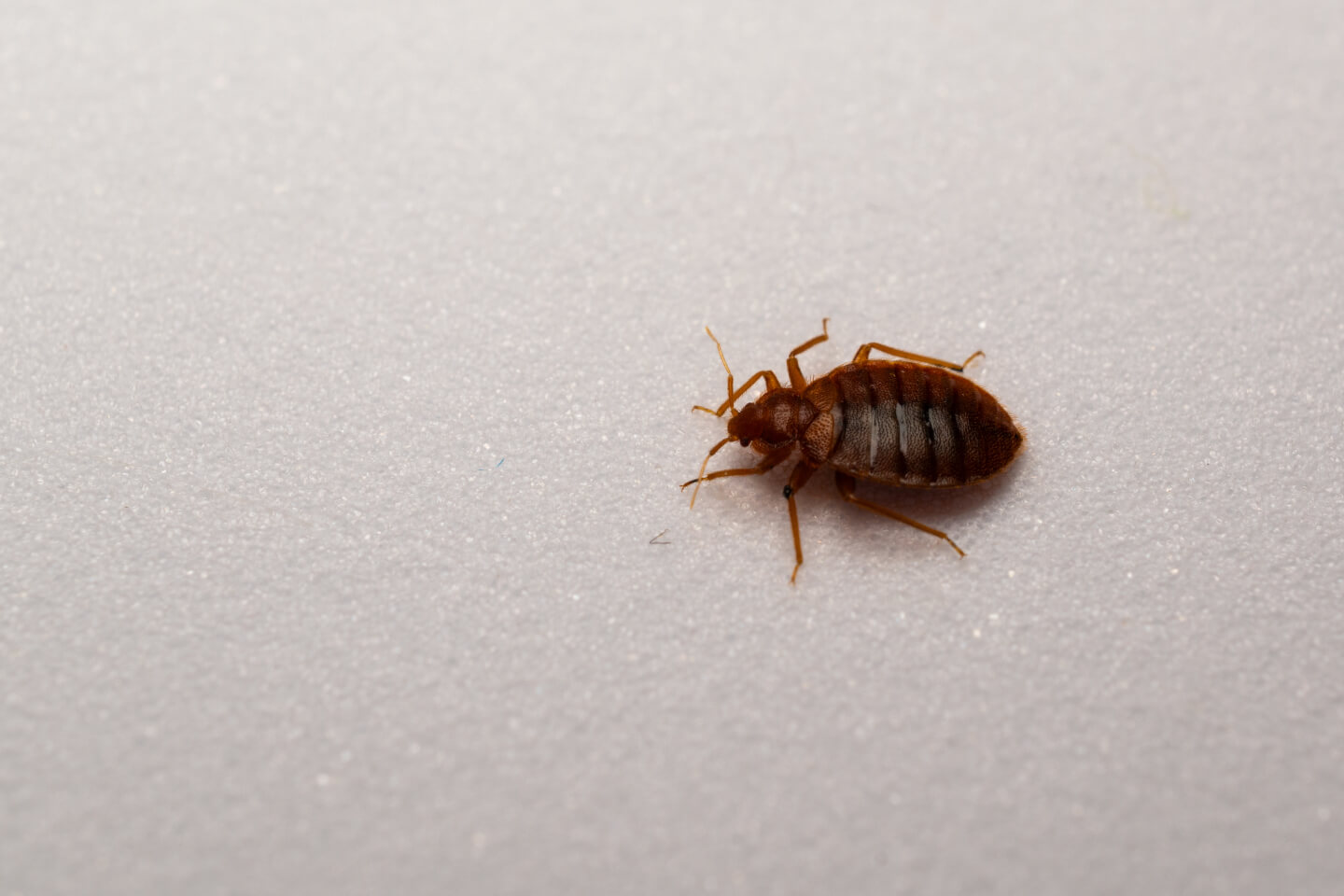
- Inspect the mattress seams, headboard, and nearby furniture for small, rust-colored stains, shed skins, or live bed bugs. Adult bed bugs are around the size of an apple seed, so be sure to examine closely, as they can be easy to miss.
- Use a flashlight (your phone works) to check deep crevices, folds, and corners.
- Look for evidence around nightstands, the edges of chairs or sofas, and in drawer joints.
- Avoid placing your luggage on the bed or floor while you inspect the room.
While traveling:
- Keep your suitcase zipped and consider storing it in a large, sealed plastic bag when not in use.
- When you return home, unpack on a hard surface (not the carpet or your bed) and away from your bedroom (exterior or garage), so you can easily spot any unwanted hitchhikers and not introduce them into sleeping areas.
- Place your clothing in the dryer before washing it. Thirty minutes on high heat should help eliminate any live bed bugs or eggs before you wash them. If you cannot place certain items in the dryer, steam cleaning can also help kill bed bugs.
- Vacuum your suitcase inside and out before storing it, preferably in a space far away from sleeping areas.
"Once you have returned home, unpack your suitcases along the exterior of your home or in an area like the basement or garage to avoid introducing bed bugs into sleeping areas," shared Braun. By taking a few proactive steps, you can help protect yourself from accidentally bringing bed bugs home from your travels.
What to do if you've brought home bed bugs
If you've found bed bugs in your home, the first step is to contain the infestation. Avoid moving infested items between rooms, as this can spread the problem. Steer clear of DIY sprays. Many bed bug populations are resistant to over-the-counter products, or they can push them into other areas, making them more difficult to remediate. Acting quickly can help reduce the severity of the infestation while you wait for professional treatment.
Every bed bug situation is unique, which is why our experts create a bed bug treatment plan tailored to your home. We begin with a thorough inspection to assess the extent of the infestation, followed by scheduled treatments. After treatment, we may return for a follow-up inspection if needed or discussed prior. Schedule your bed bug inspection today!