

Invasive fruit flies spotted across the U.S.
Invasive fruit flies have been spotted across the United States, prompting cities in California and New York to order quarantines for produce. Although fruit flies are a common household pest, invasive species can cause damage to local agriculture and crops. With continuous trade and transportation of goods, these invasive species may find their way into your produce. Learn how you can stop the spread of invasive fruit flies in your area.
What is an invasive fruit fly?
An invasive fruit fly is simply a species of fruit fly that is not native to a particular area and can cause damage to local crops. These invasive pests can outcompete native species, leading to a decline in biodiversity and economic losses for farmers. In addition, these pesky insects are known for their ability to infest a wide variety of fruits and vegetables, causing significant damage to crops and gardens. Monitoring and controlling invasive fruit fly populations is crucial to help minimize their impact on the environment and agriculture.
One of the main ways that invasive fruit flies spread is through the transportation of infested fruits and vegetables. When these items are moved from one location to another, the fruit flies hitch a ride and are able to establish new infestations in different areas. In addition to hitchhiking on produce, these species can also fly relatively long distances on their own. Other factors that may contribute to the spread of invasive fruit fly species are the lack of desirable habitats for the flies to breed and thrive in. This includes areas with abundant food sources and locations with suitable environmental conditions. If a fruit fly's basic needs cannot be met in its current environment, it may opt to look for a new home.

Are fruit flies dangerous? Do they bite?
Fruit flies are generally not considered dangerous and do not bite humans. However, they can be a nuisance in large numbers and can contaminate food. Fruit flies can cause significant damage to crops and plant life, resulting in rotting or inedible produce. This can lead to substantial losses for farmers and impact the availability and cost of fresh fruits and vegetables for consumers. Additionally, these insects can spread diseases and parasites that can harm both plants and animals.
It’s crucial to do a quarantine for invasive fruit flies to protect the local ecosystem and agricultural industries. Not only can these pests destroy crops, they can cause significant economic losses and environmental damage. Quarantine measures help prevent the spread of invasive fruit flies and confine them to specific areas, reducing the risk of infestation and damage. By taking these proactive measures, we can help ensure the health and sustainability of our food systems and natural habitats.
How does a quarantine for an invasive species work?
Quarantines help prevent the spread of fruit fly infestations and are essential to protect our food supply and natural resources. Quarantine measures for an invasive fruit fly species typically involve restricting the movement of fruits and vegetables that could potentially harbor the pest. This can include placing restrictions on the transportation of produce from affected areas and implementing inspection and fumigation procedures at ports of entry. The goal is to prevent the spread of the fruit fly to new places and to minimize the impact on local agricultural production.It's important for authorities to work closely with growers and other stakeholders to ensure effective implementation of quarantine measures and to provide support and resources to affected communities. Ongoing monitoring and surveillance will be conducted to assess the quarantine measures' effectiveness and detect any new infestations. If necessary, additional control measures may be implemented, such as releasing sterile male fruit flies or using pesticides.
Types of invasive fruit flies
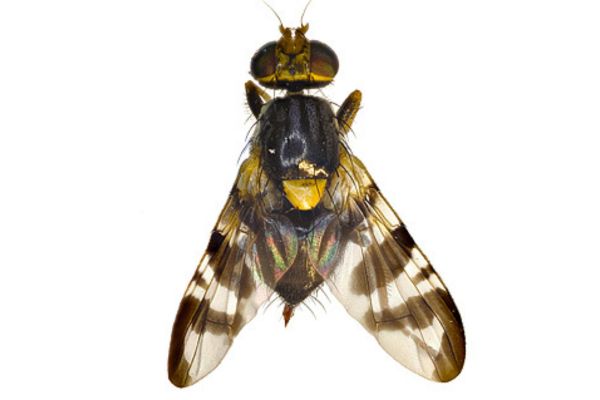
European Cherry Fruit Fly
The European Cherry fruit fly is a small fly measuring about 5-7mm in length. They can be identified by their black bodies with yellow markings on their thorax and abdomen and transparent wings with dark veins.
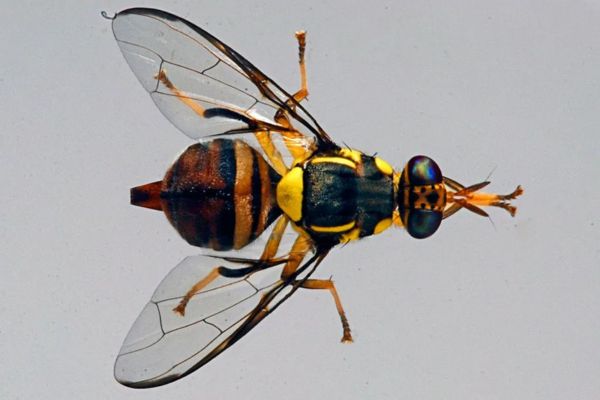
Oriental Fruit Fly
The Oriental fruit fly is an invasive species that can be found all over the world. It is native to Southeast Asia but has spread to other regions, including the U.S. Many countries have implemented strict measures to prevent the spread of this invasive species, including restrictions on the movement of fruit and vegetables. This species feeds on over 400 different types of fruits and vegetables.
The Oriental fruit fly measures about 1/4 inch in length. The male fly has a yellow-brown color with black spots on its wings, while the female is slightly larger and has a pointed ovipositor for laying eggs. Both male and female flies are covered in fine hairs and have a distinctive yellow and brown striped pattern on their abdomen.
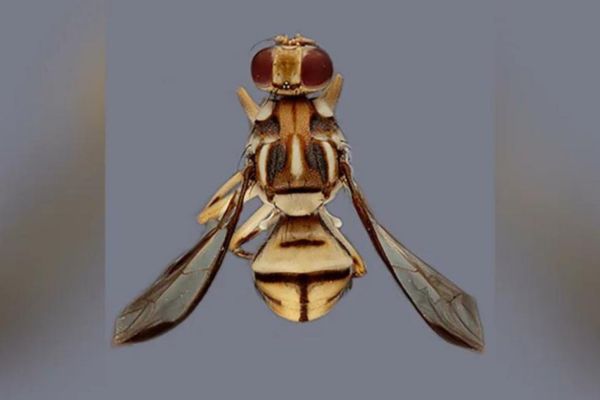
Tau Fruit Fly
Where have invasive fruit flies been seen?
These insects have been found across the United States, specifically in California and New York. The Oriental and Tau fruit flies can be found in parts of Southern California. The Oriental fruit fly has been spotted in Santa Clara County, while the Tau fruit fly has been seen in Stevenson Ranch in Los Angeles County. The European Cherry fruit fly is the only invasive species of fruit flies in New York. They can be found in Erie, Monroe, Niagara, Orleans, and Wayne counties.The Department of Agriculture released a comprehensive map so you can see if these invasive fruit flies have landed in your backyard.
What should I do if I see one of these invasive fly species?
If you see one of these species, it is important to report it to your local public officials or the Department of Agriculture. They will be able to identify the species and take appropriate action to prevent its spread. Do not attempt to handle or transport the fruit flies yourself, as this can increase the risk of spreading the infestation.It is also important to follow any quarantine measures that may be in place to prevent the movement of produce from affected areas.
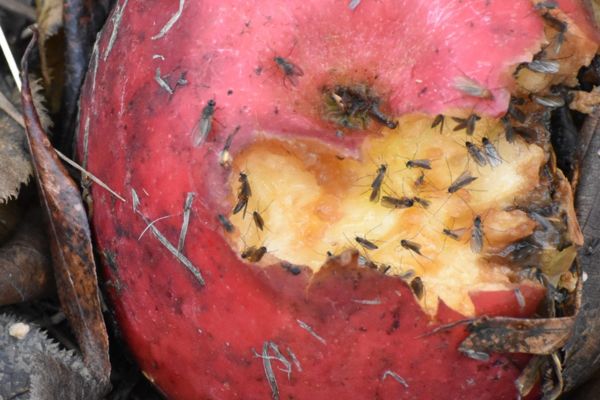
How to get rid of fruit flies
If fruit flies have invaded your home, it’s important to take action to get rid of them. Overripe or rotting fruit is one of the most common breeding grounds for fruit flies. To help eliminate fruit flies in your home, here are some easy steps to take:
- Inspect produce when bringing it into the home. Wash thoroughly and dry. Wrap the end of the banana bunch in plastic wrap.
- Remove any spoiled produce from the property immediately.
- Take out the trash daily.
- Wash and keep trash receptacles clean and dry. Inspect for liquid spillage whenever the trash bag is replaced.
- Frequently clean garbage disposals and drains.
- Remove any moist areas like bath mats, mops, or mud rooms.
- Make sure baseboards in kitchens or bathrooms are sealed properly.
- Avoid over-watering houseplants.
Remember to follow any quarantine measures in place to prevent the spread of the infestation. You should not remove any infested produce from your property. Instead, unwanted produce should be double-bagged and disposed of according to your local waste management guidelines. By taking these steps, you can help stop the spread of these troublesome insects and protect your crops and gardens.

Fly control you can trust
Without proper breeding ground elimination, a fruit fly infestation will continue to flourish despite the preventative and quarantine measures. That’s why it's important to contact your local Terminix technician for help. Our experts are trained to provide effective and reliable fly control.
It's time to say goodbye to fruit flies in your home–contact your local Terminix technician today.