Mosquitoes
Understanding recent Triple E outbreaks
In 2024, the United States has seen a considerable increase1 in cases of Eastern Equine Encephalitis (EEE). With the spread causing Massachusetts2 parks to close early and the first reported death this year in New Hampshire3, many people are concerned. EEE, often referred to as Triple E, is not just another seasonal ailment; it's a mosquito-borne disease spread by the bite of an infected mosquito. With symptoms that can escalate rapidly and, in severe cases, lead to significant neurological damage or even be fatal, understanding how the virus is transmitted and how to protect yourself against it is critical. Learn everything you need to know about EEE from our expert, Board Certified Entomologist Thomas Dobrinska, BCE, PHE.
The recent spike in known cases of Eastern Equine Encephalitis in the United States should motivate all of us to do our part to help prevent mosquito-borne diseases. Eliminating potential breeding sites in your yard and following professional recommendations to prevent bites can go a long way in reducing the chance of transmission.
What is Eastern Equine Encephalitis and where did it originate?
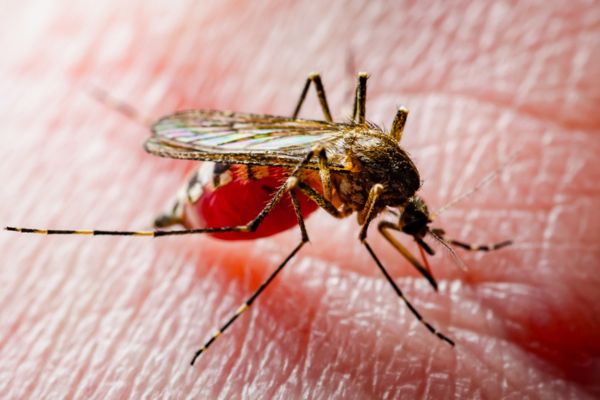
Eastern Equine Encephalitis (EEE) is a severe mosquito-borne virus known to cause inflammation of the brain, brain membranes, or spinal cord. Mosquitoes get the virus by feeding on infected birds, continuing the spread of EEE through their bites. The first cases of the Triple E virus were reported in Massachusetts in 1938, marking its discovery in the United States. Commonly found near freshwater swamps, EEE primarily circulates among mosquito and bird populations in these areas. Certain mosquito species, particularly Culiseta melanura, act as vectors transmitting the virus within bird populations and occasionally to horses and humans. Dobrinska states that transmission to humans is very rare and usually occurs when people engage in activities that increase their exposure to areas where these mosquitoes are active. Eastern Equine Encephalitis is not contagious among humans, meaning it cannot be spread from person to person.
How common are Triple E outbreaks?
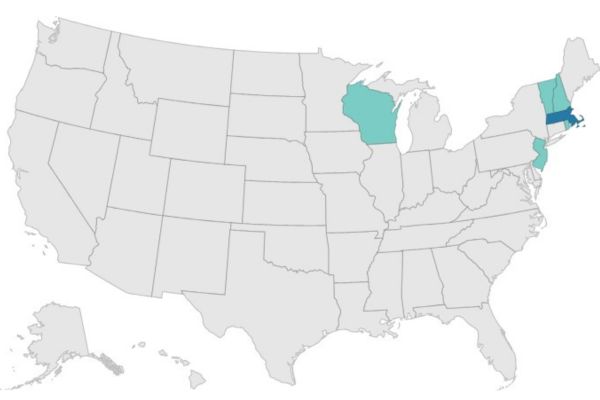
Triple E outbreaks are generally uncommon on a nationwide scale. However, Dobrinska states that it's important to note that these occurrences can be unpredictable and vary from year to year. EEE tends to occur near freshwater swamps, which serve as ideal environments for the mosquitoes that carry the EEE disease. Despite the numbers not showing a significant rise nationwide, changes in human activities, such as the expansion of cities and suburbs into these swampy regions, can increase the potential for transmission to humans. According to the latest data from the Centers for Disease Control and Prevention (CDC)1 in 2024, areas reporting non-human cases of EEE include states such as Louisiana, Florida, South Carolina, New Jersey, New York, Massachusetts, New Hampshire, and Maine. As of September 17th, 2024, 10 Human cases have been reported in Massachusetts, Rhode Island, New Hampshire, New Jersey, Vermont, and Wisconsin.
Triple E symptoms and treatments
As with any bug bite, it is recommended to seek medical advice from your doctor if you think you've been bitten. Most individuals infected with the Triple E virus will not show any symptoms. For those who do, symptoms can include fever, chills, and joint pains. These symptoms usually resolve on their own over a two-week period. However, the condition can escalate if the virus leads to inflammation of the central nervous system. In severe cases, symptoms can be seizures, vomiting, or even a coma.4 It's important to note that EEE has a significantly high fatality rate, approximately 30%.4 Given the potential severity of EEE disease, it's crucial to seek advice from your medical provider for proper diagnosis and treatment.
How dangerous is EEE?
Eastern Equine Encephalitis is considered dangerous due to its high fatality rate. While the annual reported cases in the United States are relatively low, averaging around eight per year, the average fatality rate from EEE disease is about 30%.4 Triple E is particularly alarming because it is a virus that can cause severe brain inflammation. Once infected, individuals may develop symptoms that escalate quickly, and as many as 50% of survivors may face long-term neurological damage.5 As for pets like dogs and cats, the risk of EEE is relatively low, and most fully recover. Nonetheless, Dobrinska says it's important for pet owners to take preventive measures against mosquito bites to protect their animals and consult their veterinarian for repellents and treatments.

How can I protect myself from EEE?
As cases of the Triple E virus continue to rise, staying informed and adopting recommended precautions can make a crucial difference to help stop the spread of this mosquito-borne disease. To help keep yourself and your family safe from EEE, follow these tips:
- Avoid going outside around dusk and dawn when biting mosquitoes are present
- Wear long sleeves and pants
- Apply an EPA-registered repellent with DEET
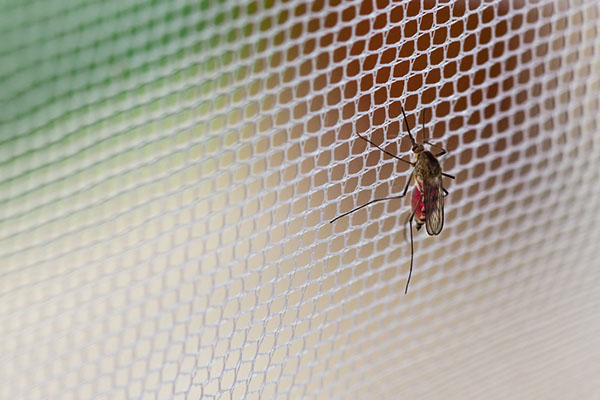
- Ensure screens are in good condition
- Remove potential breeding and resting sites on your property, such as clogged gutters, tarps, pool covers, empty containers, tires, and dense vegetation
If you have mosquitoes buzzing around your home, it's time to call the mosquito control experts at Terminix. Our technicians know how to treat mosquitos and can help prevent populations from reaching dangerous levels.