Mosquitoes
How worried should I be about dengue fever?
According to the CDC, more than 11 million dengue fever cases have been reported in North and South America through August 2024 — nearly triple in all of 2023. With the recent spike in cases in the United States, over 5,000 to be exact, many people are wondering, “What is dengue fever?”1
Dengue fever, also known as Dengue breakbone fever, is a mosquito-borne disease transmitted by the bite of a mosquito infected with the virus. As global travel continues to increase, the risk of mosquito-borne diseases grows, bringing dengue fever to previously unaffected areas. So, should you be worried about dengue fever? Hear from our expert, Board Certified Entomologist Thomas Dobrinska, BCE, PHE, as we break down everything you need to know about dengue fever and how you can protect yourself from mosquito-borne diseases.
The recent spike in known cases of Dengue Fever in the continental U.S. should motivate all of us to do our part to control the controllables. Reducing breeding sites in your yard and following professional recommendations to prevent bites can go a long way in reducing the likelihood of transmission.
What is dengue fever and where did it originate?
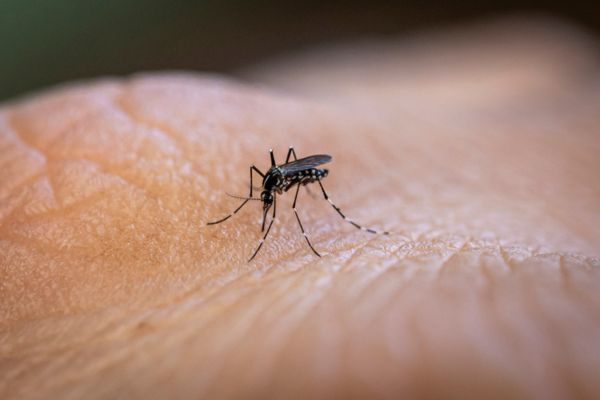
Dengue fever is a viral infection that primarily spreads through the bite of an infected Aedes aegypti mosquito, commonly referred to as the yellow fever mosquito. This virus originates from tropical and subtropical climates worldwide, with a significant number of cases reported in South America, Central America, and the Caribbean. Dobrinska states that while cases of local transmission are relatively uncommon, most cases are reported by people who have recently traveled from countries with a high risk of dengue fever transmission. Humans are the primary source and host of the virus for the mosquito, allowing the mosquito to spread the virus for the duration of its short life span. Dengue fever does not spread directly from person to person, with the rare exception of blood transfusion situations.
Why are cases of dengue on the rise?
One of the key factors contributing to the dengue fever surge in the United States is the increase in international travel following the COVID-19 pandemic — has travel to and from high-risk countries increases, so does the potential for dengue fever to spread. Dobrinska says that the spread of dengue breakbone fever may also be heightened due to a potential decrease in herd immunity. Herd immunity reduces the spread of infectious diseases within a community, and when there is a deline in immunity, more individuals are susceptible to contracting the virus.
In addition, Dobrinska states that another contributing factor to the spread of dengue fever is the possible shift in the type of dengue virus found in human populations. There are four distinct types of the dengue virus, and the prevalent types in a region can change over time. When populations are exposed to a different dengue virus than they have been in the past, they may be more susceptible to infection, as immunity to one type does not guarantee immunity to another.
Is dengue fever in Florida or other parts of the U.S. yet?
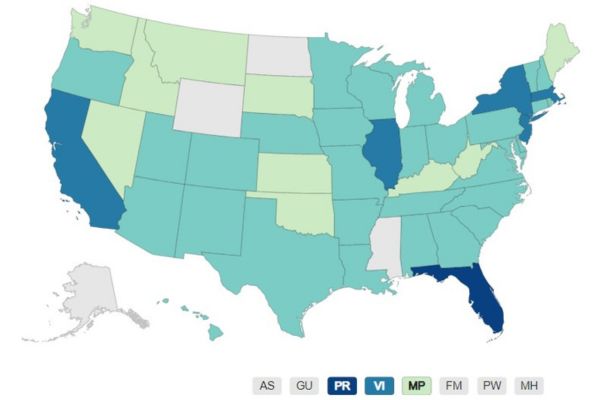
Dengue fever has been reported in various parts of the United States, including Florida. According to the most recent data from the Centers for Disease Control and Prevention (CDC), dengue fever cases have been identified in nearly all states, with Florida and Puerto Rico making up the majority of these cases. Other areas in the United States, especially in the southeast, should stay alert for potential dengue outbreaks. Unfortunately, the southeast's combination of high humidity, abundant vegetation, and year-long warmer temperatures creates an ideal environment for the Aedes aegypti mosquito — the primary source of dengue fever.
Dengue fever symptoms and treatments
While most individuals infected with dengue fever do not show any symptoms, those who do can experience a range of side effects. The typical dengue fever symptoms include fever, joint pain, nausea, and a rash. For most, these Dengue fever symptoms generally resolve within a couple of weeks. However, 5% of cases can become serious, with severe dengue fever symptoms that include vomiting, rapid breathing, and hemorrhaging. This can be especially concerning for high-risk individuals like pregnant women, the elderly, and infants. Regarding treatment, there are currently no specific medications or vaccines approved for dengue fever in the U.S.2 If you believe you have contracted dengue fever, it's important to seek out professional medical treatment and follow the guidance of your healthcare provider.

How can I protect myself from Dengue?
Protecting yourself from dengue fever requires a proactive approach. To help keep yourself and your family safe from mosquito-borne diseases, follow these tips:
- Avoid going outside around dusk and dawn when biting mosquitoes are present
- Wear long sleeves and pants
- Apply EPA-registered repellents such as DEET, Picaridin, and Oil of Lemon Eucalyptus (OLE)
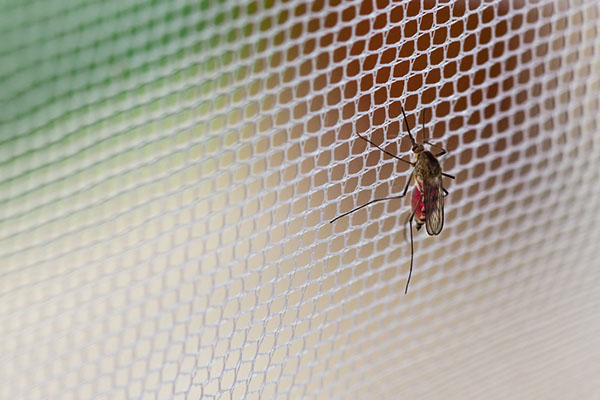
- Ensure screens on doors and windows are in good condition
- Remove potential breeding and resting sites on your property, such as clogged gutters, tarps, pool covers, empty containers, tires, and dense vegetation
Dealing with mosquitos around your home? Get the mosquito control experts at Terminix on your side.