

Where do bugs go in the wintertime?
Updated on: October 29th, 2024
As winter arrives and temperatures drop, some bugs have interesting ways of coping with the cold. Have you ever wondered, “Where do bugs go in the winter?” The truth is bugs survive the winter using various methods. Some bugs find cozy spots underground, while others migrate. We’re here to tell you how bugs survive the winter and about other common winter pests you may want to look for.

The winter bug dilemma: When do bugs go away?
Arthropods like cockroaches, spiders, ants, and mosquitoes are exothermic, which means they can’t produce their own heat, so they depend on environmental temperatures for mobility. Environmental temperatures impact the geographic distribution of pests, as some species of arthropods simply cannot survive or overwinter in freezing winter temperatures. Information about arthropod biology can help pest control technicians create management plans based on invasive and other species risk analysis. Different areas/pests may require different types/control levels, which are expected to vary seasonally.
In temperate regions, once cooler temperatures arrive in fall and winter, arthropods die, migrate, or go into diapause until warmer temperatures return. Of course, arthropods may be active year-round in warm climates, such as southern Florida or other subtropical/tropical ecosystems. In these areas, pest management practices continue to be as important in winter to the same degree as in spring/summer months.
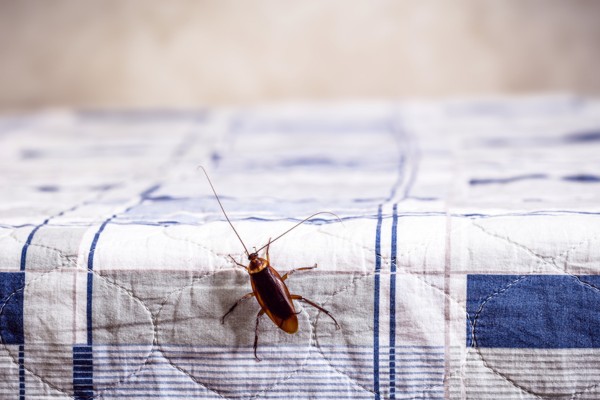
Cockroaches
Most cockroach species cannot survive temperatures less than 15°F. During winter, cockroaches may move indoors to places like basements or crawl spaces to stay warm. However, some species (e.g., Yamato cockroaches in Japan) remain active at sub-freezing temperatures. As with other insects, lower temperatures slow development rates, so although cockroaches may still be present, they are reproducing at a slower pace. In some areas, adult and immature cockroaches can overwinter in a diapause state.
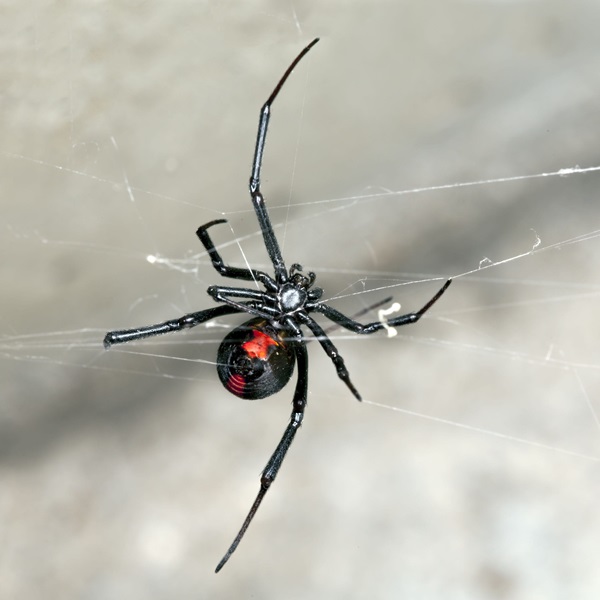
Spiders
Some spiders may remain active during winter, but their activity is significantly reduced until spring/summer temperatures return. Adult black widows can overwinter inside buildings or outside shelters (e.g., in crawl spaces or sheds). It has been reported that brown recluse spiders are inactive when temperatures are less than 44°F. Another reason for lower spider activity during periods of low temperatures is that their prey species are decreased during this period, hence reducing spider abundance.
Implementing regular pest control services, using pesticides, or removing cobwebs/spiders through vacuuming can effectively rid an area of spiders. It's important to note that homes with traditional fireplaces also need to be careful about bringing in spiders, or their egg sacs, into the home. Spiders often seek refuge in exterior woodpiles to overwinter, so it's recommended to wear gloves while gathering wood and inspect it carefully before bringing it inside.
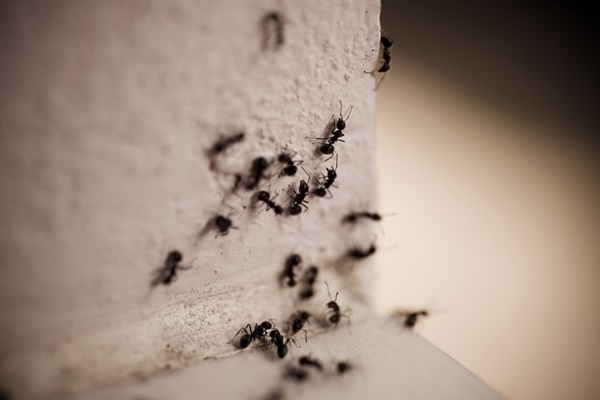
Ants
Ants, such as the red imported fire ant, may tunnel underground to avoid cold temperatures. However, many colonies do not survive winter temperatures unless winters are mild (varies regionally). Argentine ants are inactive below 41°F. They survive freezing temps by nesting near loblolly pines, whose bark absorbs sunlight, keeping a temperature warm enough for the ants to forage during winter.
Butterflies
Monarch butterflies are an example of an insect that migrates to warmer climates (Mexico, southern California) during fall and winter periods (can happen in summer in far northern regions) and then returns in springtime. Adult Monarchs that emerge during periods of shorter day lengths, cooler temperatures and poor host plant (e.g., milkweed) quality are born in reproductive diapause in preparation for southern migration. During spring migration, the butterflies leave Mexico in March to travel north to lay their eggs.
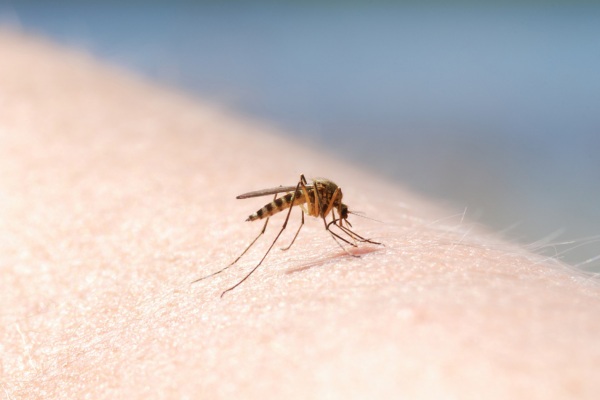
Mosquitoes
Mosquitoes cannot regulate their body temperature and are sensitive to extreme temperatures. In colder regions, female mosquitoes will enter a state of hibernation, also known as diapause, to survive the winter. Female mosquitoes will seek out areas such as burrows, storm drains, caves, etc., where they can overwinter. Male mosquitoes do not enter diapause and generally die due to cold temperatures.
When springtime temperatures and day length increase, mosquitoes can become active again and seek blood meals, so consider preventative pest control to help keep you protected. Eliminating standing water around your property in places like clogged gutters, old tires, flower pots, etc., will help reduce mosquito breeding areas.
Ticks
Ticks also undergo different behaviors during colder periods and can vary depending on the species. They may seek out a place to hibernate, reduce activity levels to conserve water, and produce/accumulate substances such as glycerol to protect themselves from freezing temperatures.
The American dog tick will become dormant and seek shelter in areas like leaf piles, under rocks, or inside animal burrows until temperatures warm up again in the spring. The black-legged and lone star tick may be active and seek blood meals if temperatures remain above freezing. Implementing proper pest control can reduce your risk of tick bites year-round.
Bees & wasps
Different bee species have different ways of surviving winter. Honeybees will spend most of the winter inside their hive, and the worker bees will form a tight cluster around the queen bee, quivering their wings to generate heat and keep the hive warm. Bumble bees, on the other hand, typically hibernate underground.
Wasps don't survive the cold temperatures and die off when temperatures drop below freezing. However, the queen bee will mate and find a safe location to hibernate throughout winter.
Overwintering bugs
During the winter, stink bugs and boxelder bugs will enter a diapause state similar to hibernation in animals. They will search for warm places like attics, basements, or inside walls where they will remain until spring arrives.
Silverfish are active year-round and may seek warmth and moisture during the colder months, making homes and buildings ideal for them. They will feed off various materials such as paper, glue, or fabrics and tend to hide in places with high moisture.
What other pests are active in the winter?
In addition to bugs, many other common winter pests, such as mice, rats, squirrels, raccoons, and even some species of birds, will remain active. Although activity levels may be reduced for many animals, it can cause significant concern for homeowners. As temperatures drop, many pests will seek warm, cozy shelter, including your home.

Mice and rats
Mice and rats are both common winter pests to be on the lookout for when the weather gets colder. They are both adaptable rodents that do not hibernate. Mice and rats look for warm places to go as temperatures drop, and your home could be one of them. If they find food and water in your house, they will likely stay until it gets warmer outside. Consider regular winter pest control services to help prevent this.
Before the first snow hits, inspect your home foundation, doors, and siding for any potential rodent access points (gaps, cracks, holes, etc.). Rats can gain entry through gaps as small as .5 inches, and mice only need a .25 inch hole to share your residence.
Squirrels
Squirrels remain active during winter months. They will put on weight and stash nuts/seeds to prepare for winter. They typically build nests in the tree branches using leaves, twigs, and other materials. These nests are essential to help squirrels stay warm throughout freezing temperatures. Some squirrels may also burrow underground if the weather gets too harsh.
It's important that roofline eaves, soffits, and fascia boards are well-maintained and free from rot. Squirrels can easily chew through damaged wood surfaces and gain entry into attic spaces to overwinter and raise their family in the spring.
Raccoons
Raccoons become less active as the weather cools down, but they do not hibernate. They spend most of their time in the dens, where they stash food to help them survive winter. With their remarkable adaptability, raccoons may also search for shelter in homes if they are in an urban area. Tightly closing the lids of your trash cans is an effective way to prevent raccoons and other pests from being attracted to them.
Birds
While several bird species migrate in the winter, but not all of them. Pigeons are known for being adaptable and will remain active during the winter. They typically stay in the areas they reside in year-round. House sparrows will endure the winter by hiding in their nests, often located in or on trees, houses, or other structures.
Protect your home from winter pests
No one wants to deal with pests in the winter, but unfortunately, they can be a common problem. You can take several steps to prepare your home and prevent these common winter pests from invading your space, like sealing all entry points, storing food properly, trimming vegetation, reducing areas with standing water, and maintaining a clutter-free home.
At Terminix, we understand that in the winter, bugs go looking for a warm place to stay and can cause severe problems if not taken care of properly. Our highly trained technicians use the latest technology and methods to identify and help eliminate pests at the source, providing long-lasting protection for your home. With our comprehensive winter pest control services, you can enjoy peace of mind knowing that your home is protected from pests all year round.