Science Nature
How Are Insects Used in Forensic Entomology?
At the crossroads between crime scene investigation and entomology lies an unexpected but formidable detective: the insect. From the buzzing of flies to the scuttling of beetles, these tiny creatures play a pivotal role in unraveling the mysteries that surround the deceased, offering silent testimony that speaks volumes to those trained to listen. This is known as forensic entomology, a field that leverages the natural behaviors and life cycles of insects to provide vital clues in criminal investigations. By examining the development stages of insects found on or near a body, forensic entomologists can provide critical information regarding the post-mortem interval or PMI, which can be pivotal in solving a case. In the world of forensic entomology, insects become key players in the quest for justice, offering insights that are sometimes unattainable by any other means.
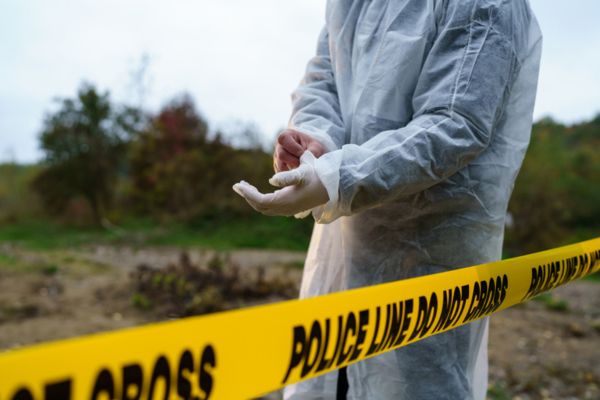
The role of forensic entomology in criminal investigations
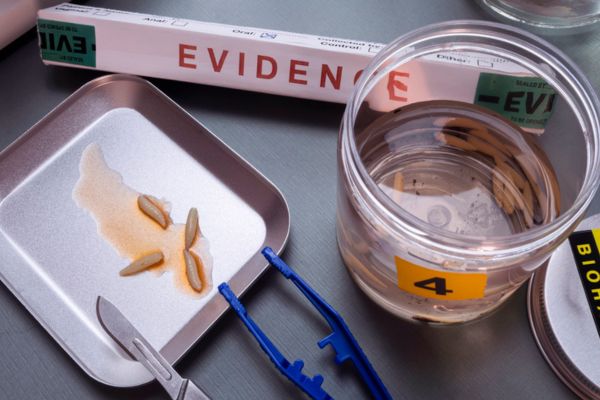
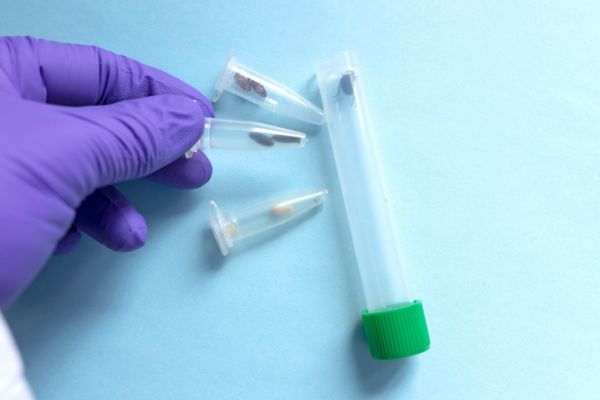
Forensic entomology studies insects and their developmental stages on decomposing remains to estimate the post-mortem interval (PMI). Insects, particularly flies, are among the first to arrive at a decomposing body, laying eggs that hatch into larvae. The progression through these stages, alongside environmental factors, can help investigators determine the time elapsed since death or if the body has been moved from another location. By analyzing the types of insects present, their developmental stages, and the environmental conditions, forensic entomologists can estimate the PMI with remarkable accuracy. This information can be crucial in piecing together the events leading to an individual's death.
How the presence of insects can inform investigations
Different insects are attracted to decomposing matter at various stages, and by analyzing which insects are present, experts can estimate the time of death and potentially other details of the crime. For instance, blow flies and flesh flies are usually the first to arrive, drawn by the initial stages of decomposition. Their larvae, or maggots, can help estimate the time since death based on their development stage. As decomposition progresses, other species, such as coffin flies and beetles, may be found in the vicinity. The coffin fly is capable of reaching bodies that are buried or enclosed, while beetles tend to arrive later in the decomposition process. In addition, some insects may interfere with the estimation of the PMI. For instance, ants present at the corpse may eat fly eggs and larvae, hence slowing the decomposition rate of the corpse.
Forensic entomology in other investigations
The field of forensic entomology goes beyond criminal investigations. In food production, forensic entomology can help ensure the safety and quality of food products by identifying the presence of insects that could pose a public health threat. In some cases, food products can become contaminated with insect debris, such as fly maggots in meat served in restaurants or insects in prepared salad bags sold in grocery stores. Additionally, it serves an important function in cases of neglect, where the presence and development stages of insects can provide critical information about the conditions of vulnerable populations like the elderly, children, or pets. These applications demonstrate the versatility and importance of forensic entomology in various sectors beyond its traditional association with solving crimes.