Science Nature
How and why climate change may extend how long pests last
Pest activity typically follows predictable seasonal patterns, with most pests becoming more active during the spring and summer. Pest activity generally decreases in fall and winter as temperatures drop. However, changing weather patterns, such as warmer winters and increased rainfall, can alter or extend pest seasons. Additionally, extreme weather events like floods or droughts can drive pests indoors, further complicating seasonal timelines.
How extended pest seasons can affect you
An extended pest season brings several concerns, including increased exposure to vector-borne diseases like Lyme disease from ticks and West Nile virus from mosquitoes.
Homes can face higher risks of damage as rodents, termites, and carpenter ants may remain active longer, potentially chewing wires and damaging wood. Extended pest seasons can also disrupt ecosystems, with invasive species outcompeting native species and threatening biodiversity.
Which pests are more likely to see extended seasons?
As weather patterns shift and temperatures fluctuate, certain pests are more likely to experience extended seasons of activity. In this section, we’ll explore which pests are most likely to be affected by these changes and why they tend to thrive longer.
Ticks
Ticks are hardy pests that can survive under many conditions. Typically, ticks become dormant during colder months, but with milder winters and longer stretches of warm weather, they can remain active for extended periods. Areas with fluctuating or mild temperatures, particularly in the northeast, midwest, and parts of the southern United States, are more likely to experience an increase in tick activity during non-peak season.
The effects of this shift include a heightened risk of tick-borne diseases like Lyme disease and Rocky Mountain spotted fever, as people and pets remain exposed for longer periods each year. A longer tick season means it’s important to be more alert of their presence and consider professional tick control services to help reduce the ticks that can transmit diseases.
Mosquitoes
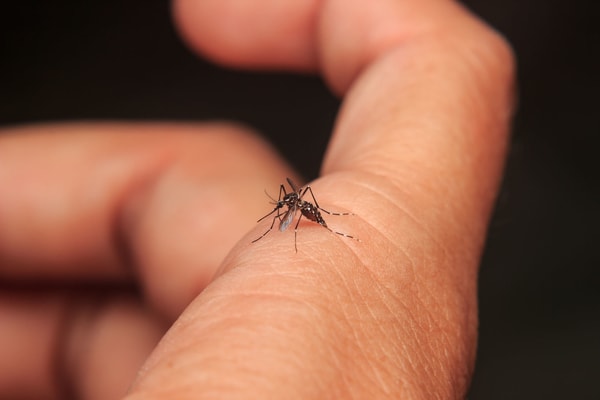
Mosquitoes flourish in warm, humid climates. Warmer temperatures and increased rainfall provide an ideal breeding environment, allowing mosquito populations to increase. Regions with mild winters and warmer springs and summers, such as the southern U.S., are particularly susceptible to extended mosquito seasons.
A longer mosquito season could increase mosquito-related health risks, such as West Nile virus, Zika virus, Eastern Equine Encephalitis, and dengue fever. To help reduce mosquito populations around your home, remove stagnant water from items like bird baths, plant pots, and gutters to prevent breeding. Terminix’s mosquito treatments can help protect you and your family from all mosquito species found in the U.S.

Flies
Warmer temperatures and increased humidity create ideal breeding conditions for flies. As these weather patterns persist, flies can reproduce more rapidly, leading to higher populations. Regions experiencing milder winters may see a notable increase in fly activity, particularly in urban and agricultural areas with abundant food sources.
Extended fly activity can also pose health risks. Flies can carry various pathogens, including bacteria and parasites, picked up from decaying organic matter like garbage and spoiled food. When they land on food or surfaces, they can transfer these harmful microorganisms through their vomit, feces, and footprints.
Cockroaches
Cockroaches thrive in warm, humid environments. Regions with milder winters, such as the southern U.S., are particularly susceptible to extended cockroach seasons. The prolonged presence of cockroaches raises health concerns, as they are known carriers of various pathogens, including bacteria that can lead to foodborne illnesses. Their droppings and shed skin can also trigger allergies and asthma, further impacting public health and well-being. These pests reproduce extremely fast, so if you spot any around your home, Terminix’s cockroach control services are here to help!

Rodents
Warmer temperatures can allow rodents to survive longer, as freezing temperatures are a primary factor in reducing rodent populations. Warm temperatures also provide some rodents with better foraging opportunities, allowing populations to thrive without the usual seasonal decline. Regions that typically experience cold winters may see an increase in rodent activity, particularly in urban areas where food sources are abundant.
The extended presence of rodents can lead to increased risks of property damage and health concerns. Rodents are known carriers of various diseases and can contaminate food and surfaces. Terminix’s rodent control services can help keep these pests out and prevent them from returning.

How to prepare for changing pest seasons
There are a few proactive steps you can take to help protect your property from pests:
- Seal potential entry points by closing cracks and gaps around doors, windows, and other openings where pests can enter.
- Trim back vegetation, remove debris, and maintain a clean yard to help reduce potential nesting sites near your property.
- Stay informed about local weather changes that could impact pest activity, such as warmer temperatures or increased rainfall.
- Use a professional pest control company for ongoing monitoring, and schedule routine inspections to identify signs of pest activity or vulnerabilities early on.
PestFree365, Terminix’s ongoing pest control plan, can help protect your home from pests year-round, regardless of the season. Our experts will inspect the interior and exterior of your home and create a tailored treatment plan for any pests present. Our PestFree3651 plan protects you from 25 common household pests, and our PestFree365+ plan protects you from 14 additional pests.2Schedule your inspection today and keep yourself protected from any extended pest seasons!
1Coverage includes: "House" Ants, Bird Mites, Indoor Ticks, Cockroaches, Carpet Beetles, Fabric Moths, Overwintering Insects, Ground Beetles, Centipedes, Crickets, Earwigs, Firebrats, Millipedes, Clover Mites, Pillbugs/Sowbugs, Psocids, Scorpions, Silverfish, Paper Wasps, Springtails, Spiders, Stored Product Beetles, Stored Product Moths, Mice, and Rats.
2Coverage includes: (Includes all pests covered in the PestFree365 plan) and Black Widow Spiders, Brown Recluse Spiders, Voles (interior only), Bed Bugs, Fleas (interior only), Bumble Bees, Carpenter Bees, Solitary Ground Bees, Yellowjackets, Hornets, Baldfaced Hornets, Crazy Ants, Carpenter Ants, and Fire Ants.