Science Nature
The impact of climate change on pests and diseases
Pests are a persistent problem for homeowners and businesses alike, but the impact of climate change on pests and diseases can make these unwanted intruders even more challenging to control. To gain insights into the latest pest pressures and how climate change and pest populations are interconnected, we sat down with Terminix Market Technical Director and board-certified entomologist John Bell III. He sheds light on the growing challenges in pest management and advises how to stay ahead of these tiny but troublesome adversaries. Here’s what you should know:
What is pest pressure?
The term "pest pressure" is commonly used in the pest control industry, but its exact meaning is not widely known to everyone. When speaking with Bell, he explained, “Pest pressure is the increased population of pests that we are trying to control. As populations increase, they put ‘pressure’ on our control methods, whether mechanical, structural, or chemical. As pressure grows, the control methods must also increase, or populations will overwhelm controls, leading to failure.”

Is climate change causing pests to increase?
Recently, climate change has become increasingly prominent, impacting nearly every aspect of our environment, including pests. Bell explains why this is: “Due to a trend of higher temperatures and more precipitation earlier in the season, insect pressure has continued to increase over the last few years. These two factors, temperature and precipitation, can create conducive conditions, allowing pests to begin reproducing earlier and increasing pest populations exponentially.”
What pests have become more problematic due to recent climate change?
There has been a rise in the population of various pests, especially those affecting our food supply and health. Here are some key pests Bell mentioned to keep an eye out for:
- Mosquitoes have frequently been in the headlines this year for spreading diseases like West Nile and Dengue Fever.
- House flies, another source of health worries, have become a significant issue in food retail and production environments.
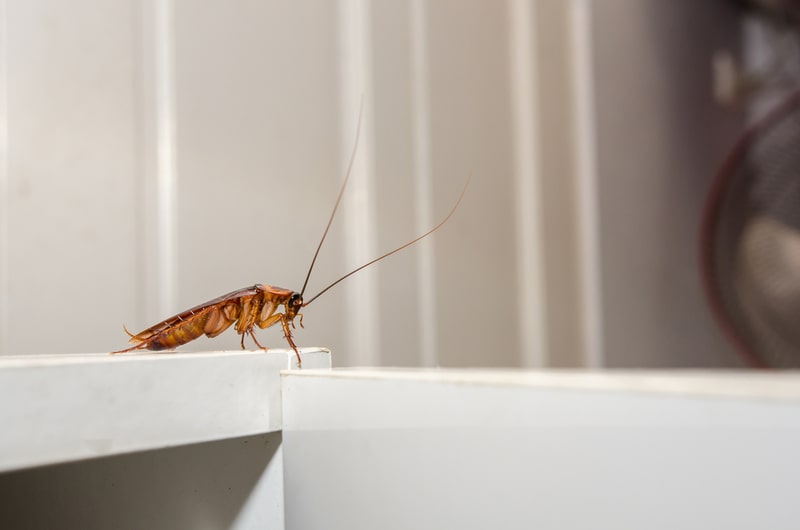
- Cockroaches have been sighted more frequently recently, driven by warmer temperatures and increased precipitation levels.
Year-round protection with PestFree365
Based on the insights above from Terminix board-certified entomologist John Bell III, climate change is evidently causing an uptick in pest pressures. The rise in temperatures and increased precipitation provide perfect conditions for pests to thrive. Having one of our PestFree365 plans can help to address these evolving challenges by integrating state-of-the-art effective treatments despite environmental changes. A PestFree365 or PestFree365+ plan will keep your home protected from up to 39 of the most common household pests, helping to ensure your home remains a safe and comfortable environment throughout the year.1

How is Terminix combatting pest pressures?
In addressing the ever-evolving battle against pests, especially in the face of climate change, Terminix is at the forefront of developing innovative solutions. Bell states, "Through innovation, we continue to look at improving control methods and products. Continued increase in the amount of pesticides used is not sustainable, long term, so we look at other methods to improve control.”
Bell went on to mention how Terminix is taking action by continuing to enhance building defenses by installing strong physical barriers to resist pest invasions and reduce the use of excessive chemicals. Our pest experts use insect growth regulators targeting specific insect hormones or enzymes to effectively manage pest populations while minimizing adverse effects on other wildlife. Innovative delivery methods have also allowed Terminix technicians to focus on specific areas, reducing the need for widespread chemical dispersal through strategic bait placement. Rentokil Terminix also opened a new cutting-edge Innovation Center dedicated to advancing pest control research, innovative testing, and comprehensive training for our technicians for more enhanced and targeted pest control.
1 Service frequency will vary based on geography. Covered Pests defined in your Plan. Automatic payment sign up is required for PestFree365+. Voles and fire ants are only covered if they are in the home, we will not treat the lawn. Homes must be free of bed bugs at the initial service to qualify for coverage of bed bugs under the PestFree365+ Plan. Applies to single family, free-standing, owner-occupied homes only. Account must be in good standing. Other limitations may apply. See Plan for details.