Science Nature
Identifying summer insect sounds
Uncover the sources of summer bug noises in your yard.
For many, peaceful summertime evenings are spent sitting on the front porch with family, enjoying a symphony of sounds produced by nature. The season certainly has its own music — and much of it is made by bugs! In fact, you might be surprised to learn exactly how many bugs play in summer's orchestra. Here's what insect noises you can listen for in summer and how you can try to identify these various creatures by the sounds they produce.
Jump to section:
Cicadas
The sun sets, and a steady thrum of buzzing takes over what would otherwise be a quiet night. For bugs that make noise at night in the summer, cicadas can be the loudest. Cicadas are famously known for their buzzing, which often rises and falls in both pitch and volume. In summers when cicada populations are very high, the effect can be quite startling, with insects seemingly calling and responding to each other across the treetops. But did you know that only males produce sound? Male cicadas sing in order to make their presence known to potential mates or to send out distress calls. Each male cicada has two special membranes, called tymbals, located on its abdomen. Much of the rest of the cicada's abdomen is essentially hollow and serves as a natural amplifier for the clicks produced as cicadas vibrate these organs.
Katydids and crickets
Insect noises in summer, like chirping, are familiar to many people across the US. But it’s not just crickets that chirp, so do katydids! At first glance, it can be difficult to tell the difference between a katydid and a cricket. Even experts can have a hard time differentiating them from each other visually. So, what’s the easiest way to tell them apart? In the symphony of summer bug noises, each species has its own sonic signature.
Like cicadas, only male katydids and crickets produce sounds. Crickets make a chirping sound by running the top of one wing along the other in a process known as stridulation. (Hence the popular image of a cricket as a fiddler because most people think they make noises by rubbing together their legs, not their wings.) Katydids also stridulate, but rather than trilling, they often strike a buzzing, drawn-out, and softer note.
Bess beetles
When you think of summer bug noises, beetles may not come to mind as particularly vocal. You’d be surprised! Take the Bess beetles, of which there are nearly 500 species in the U.S., which are most identifiable by their shiny black wings. While these large forest dwellers are more often encountered in tropical regions, they can be found in some densely wooded areas of North America. Bess beetles are capable of producing upwards of 14 different sounds. Not all of these sounds are audible to human beings, but once you've heard a bess beetle hiss or squeak, you aren't likely to forget it.
Bees
In the park, in the backyard, or in your garden, the buzz of bees is an insect noise in summer everyone’s familiar with. Whether it’s the buzzing of a bumble bee or the intense droning of a beehive, bees themselves directly produce this hum. What you're hearing is an actual disturbance in the air created by the beating of the bee's wings. The larger the bee — or wasp, or hornet — the slower its wings beat and the lower the pitch of the resulting sound.
Mosquitoes
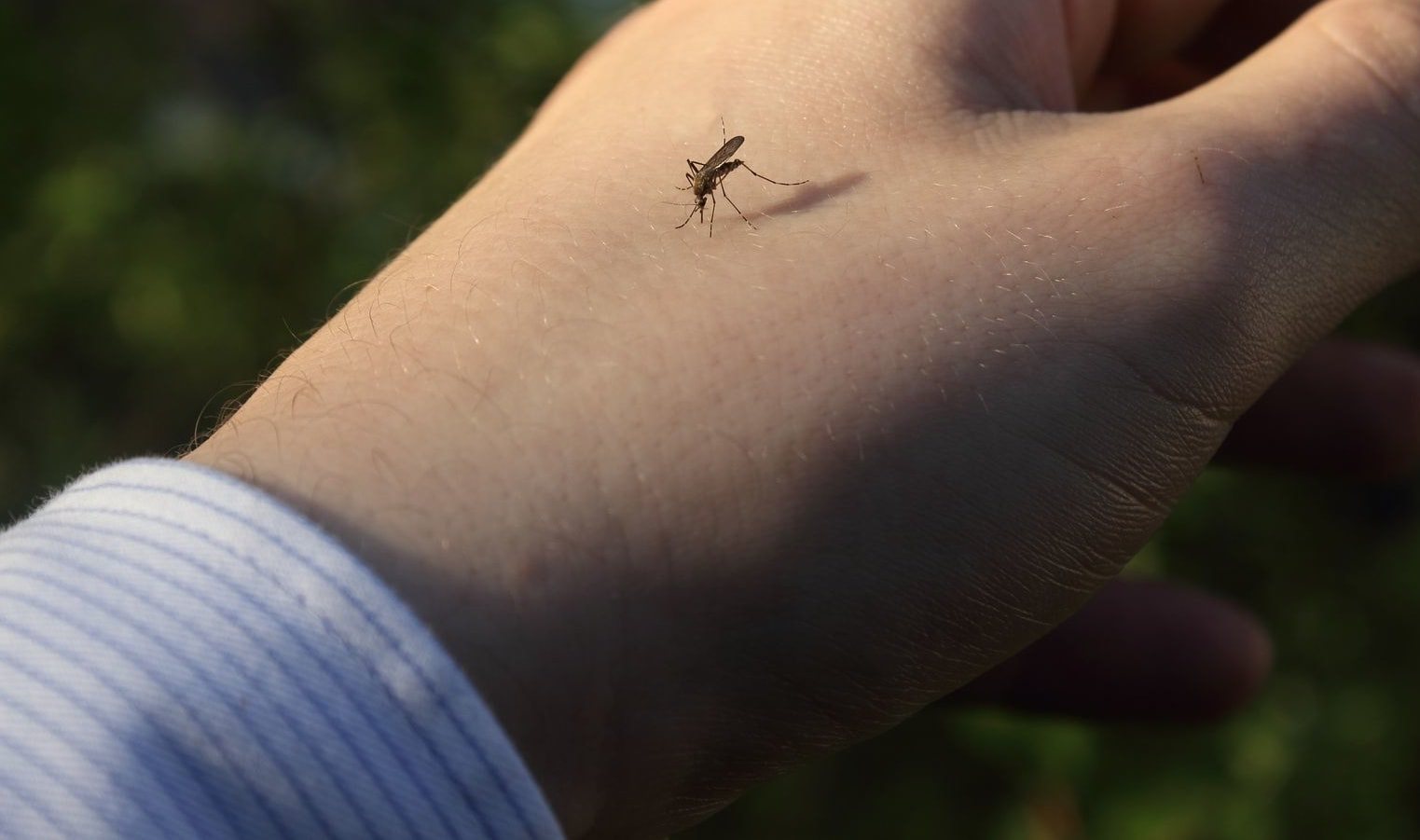
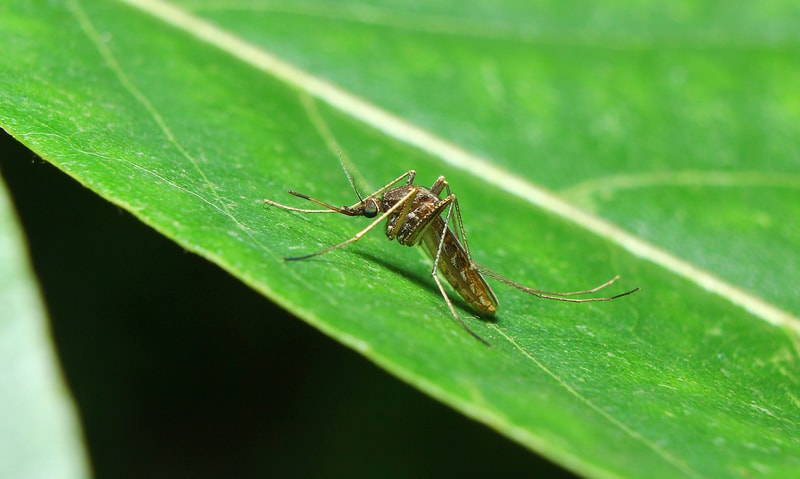
The high whine of a mosquito flying close to your ear may be one of the most annoying insect noises in summer. It’s believed this sound may serve some purpose in attracting a mate. Either way, mosquitoes are able to control the rate of their wing beats and serenade each other at very specific frequencies.