Home Garden
Why you might have pests or bugs in your clean home
Content Updated: January 19, 2026
Key takeaways
- Pests can enter any home, regardless of whether it is clean or cluttered, through tiny openings, packages, or used furniture.
- Common household pests, like roaches, mice, rats, and bed bugs, are highly resilient, hiding in hard-to-reach areas and reproducing quickly, which makes them difficult to eliminate solely through cleaning.
- A clean home can help reduce attractants like crumbs or clutter, but it cannot prevent determined pests from entering your home.
- Terminix provides support and solutions without judgment, helping homeowners feel confident in their homes while effectively addressing infestations.
Jump to section:
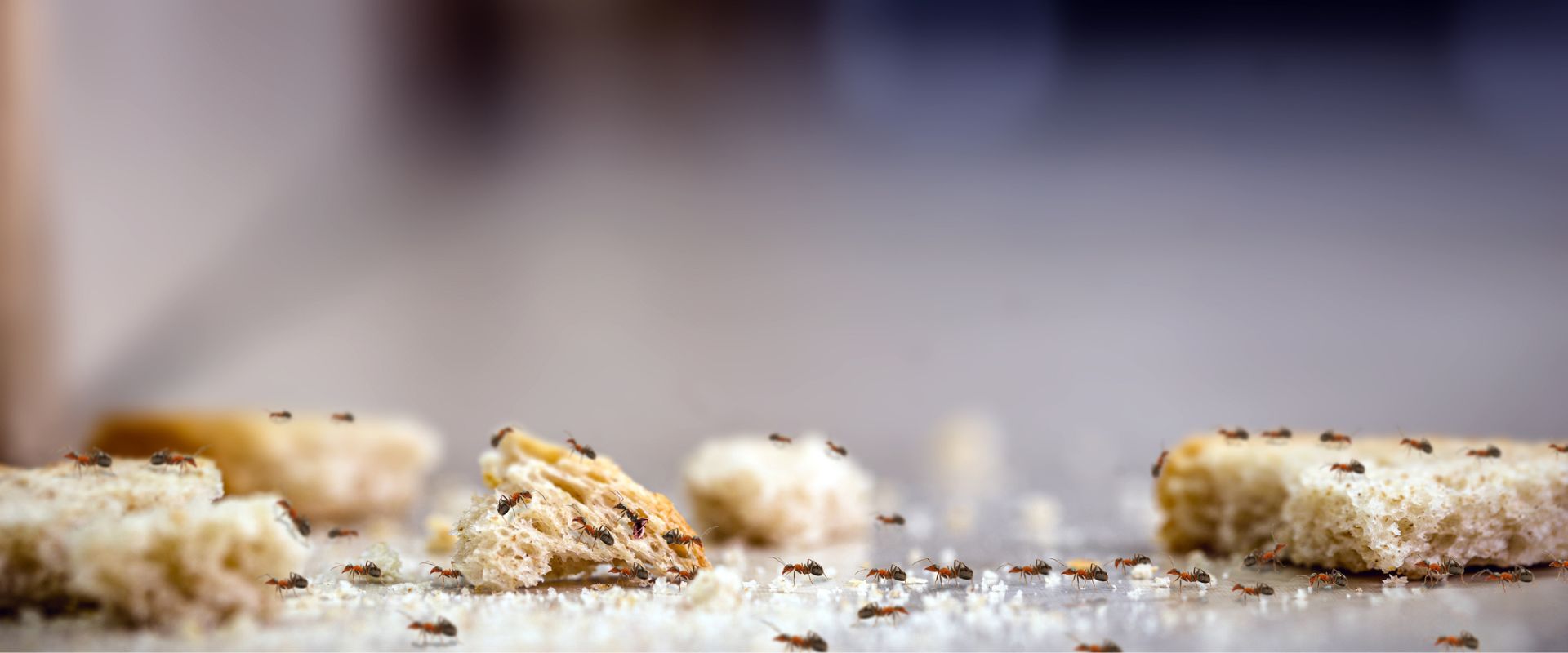
If you’ve ever seen a roach scurry across the floor or spotted a trail of ants in your kitchen, you’ve probably felt that familiar mix of worry and embarrassment. Maybe you even wondered, “What did I do wrong?”
You’re not alone, and you didn’t do anything wrong.
At Terminix, we talk to homeowners every day who feel the same way. There’s a real stigma around having pest issues, as if it’s a sign of bad hygiene or poor home care. But the truth is simple: pests can show up anywhere, even in the cleanest, most well-maintained homes. And if they do, Terminix pest control services are here to help.

How often pests enter homes
Pests aren’t picky: your friends, your neighbors, maybe even coworkers, have probably had an unwanted visitor at some point. According to a national housing survey, approximately 14 million U.S. homes reported seeing roaches in the past 12 months, and nearly 14.8 million reported seeing rodents.*
Some of the cities with the highest demand for pest-control services, like New York, Los Angeles, Atlanta, and Philadelphia, are featured in Terminix’s Top 2024 Pest Cities report, showing that pest problems can happen anywhere.
So let’s break the silence. The more we talk about pests, the less shame people feel in asking for help. Calling in a professional doesn’t mean you failed – it means you care enough to take action.
Pests in clean vs. “dirty” homes
There’s a common belief that pests only show up in dirty, cluttered, or poorly maintained homes, but that simply isn’t true. Pests are opportunistic, and they’ll enter any home if the conditions are right.
Homes naturally expand and contract with the seasons, which can create tiny gaps around doors, windows, and utility lines. Pests can squeeze through tiny openings, hitch a ride in on packages, or follow moisture from leaking pipes or damp basements. Some simply wander in during temperature changes, seeking shelter, warmth, or food.
While cleanliness helps minimize attractants, it can’t completely eliminate the risk of pests indoors. If a pest can find a way in, it will. That’s why even spotless homes still experience pest issues from time to time.
Roaches in clean houses
Roaches often enter homes through small gaps around doors, windows, or utility lines. They can also hitchhike inside accidentally in grocery bags, boxes, or used furniture. Once inside, they don’t need much to survive, just a little moisture and the occasional crumb.
Cockroaches tend to hide in warm, dark, and hard-to-reach places. Common spots include behind appliances, inside cabinets, under sinks, along baseboards, and in cracks or crevices near plumbing. They gravitate toward areas with moisture or warmth, which makes kitchens and bathrooms frequent hiding places.

Do mice like clean homes?
Mice don’t care whether a home is spotless or cluttered. All they need is food, warmth, and shelter. Even in clean homes, they can sneak inside through openings as small as a ¼” wide, roughly the size of a pea. They can enter through gaps around siding, utility lines, vents, foundations, or under door sweeps. Once indoors, they’ll explore your home for anything that can sustain them.
Mice often nest inside wall voids, behind appliances, in attics, basements, or storage areas. Rats behave similarly and can access homes through slightly larger openings, often entering through sewer lines, roof gaps, or damaged vents. A tidy home can help limit food sources, but it doesn’t stop determined rodents from squeezing in if they find an opportunity.

Bed bugs moving in
Bed bugs are tiny pests that are experts at hitching rides into your space. They don’t care about clutter or dirt. They only need a blood meal and a place to hide.
Bed bugs often sneak in, seemingly undetected, on luggage, clothing, used furniture, or even packages. Once inside, they can hide in cracks, crevices, mattress seams, and furniture joints, making them hard to detect until they’ve already multiplied. Their small size, flat bodies, and nocturnal habits make them masters of concealment, so infestations can start quietly, even in spotless homes.

Why cleaning alone isn’t enough to get rid of pests
While keeping your home clean is important, cleaning alone usually isn’t enough to eliminate pests. Many pests reproduce quickly, hide in hard-to-reach places, and, in some cases, have developed resistance to common pesticides.
Even if you remove crumbs, clutter, and other attractants, pests can still sneak in the way we mentioned earlier—through luggage, packages, or cracks in your home. Because of this, effective pest control often requires regular treatment and prevention tactics from professionals who can address both the pests you can see and the ones hiding out of sight.

Redefining what pest control means
When you call Terminix, you’re not just getting pest control. You’re getting a partner who understands. Our experts don’t point fingers; they show up to solve problems and restore peace of mind.
Every home tells a story, and pests are just a small, temporary chapter. Pest control isn’t a sign of defeat. It’s a sign of pride in protecting the place and people (and pets) you love. Our experts can help you feel confident and comfortable in your home again, without judgment. Schedule your free inspection today.
*https://www.census.gov/library/stories/2021/04/how-many-american-homes-have-pests.html Accessed December 2025.