Home Garden
Leaf-eating bugs and insects
One of the most common wrenches nature will throw at your vegetable garden is unwanted visitors – in particular, leaf-eating insects. Leaves are full of chlorophyll which gives plants their green color and helps trap energy from the sun in a process called photosynthesis. That energy becomes food for the plant, so without leaves, plants will struggle to grow and thrive and could eventually die.
Identifying bugs that will eat your plants
No matter how much time you put into garden planning, no matter how great your backyard ideas are, it’s hard to control nature. Educating yourself on bugs that eat plants can help you stay ahead of them with prevention and control strategies that actually work.
Here are some of the most common leaf-eating bugs to watch out for.
Aphids
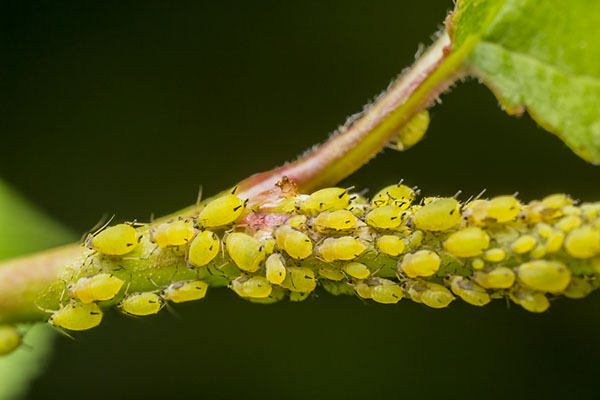
Aphids are the most common garden insect and can be found worldwide but are most common in temperate climates. They feed on the sap of all types of plants, including houseplants and outdoor plants. Although they can be fine in small numbers, populations can rapidly grow out of control. Aphids are small, about 1/16th of an inch to 1/8th of an inch in length, with pear-shaped bodies. They can vary in color, ranging from green and yellow to red, brown, or black.
Colonies are found on the underside of leaves, and they can easily travel from plant to plant by walking or flying. Aphid damage looks like discoloration and yellowing leaves, weakened stalks and stems, and plant withering.
Flea beetles
Flea beetles are a type of beetle found worldwide that feed on various vegetables, particularly crucifers, such as cabbage and broccoli, or solanaceous plants, such as potato, eggplant, and tomato.
They are black and shiny and about two to three millimeters long with powerful hind legs that enable them to jump from plant to plant. Many different variants exist, including spinach, grape, sweet potato, and striped flea beetles. The corn flea beetle can transmit a bacterium that causes Stewart’s wilt on sweet corn.
Leafhoppers
Leafhoppers, also known as hoppers, feed on sap from bean, potato, eggplant, celery, beet, and tomato plants, among others. They are commonly brown, gray, green, or yellow with a mottled appearance and have an elongated, wedge-shaped body about 1/8th to ½ an inch long. Populations can rapidly expand in short periods of time but can be easily controlled with garden pesticides.
Potato leafhoppers can cause ‟hopperburn” on potato, bean, eggplant, and rhubarb plants, while beet leafhoppers transmit the ‟curly top” disease to beets.
Various beetle species
Many types of beetles are a common threat to gardens and crops due to their voracious appetites. They feed on every type of vegetable, plant, tree, and aspect of your landscape, including the lawn.
Some species of particular concern include Japanese beetles, striped blister beetles, asparagus beetles, Colorado potato beetles, striped and spotted cucumber beetles, and bean leaf and Mexican beetles.
Various worm species
Worms feed on all types of vegetables and plants, with the most common problematic species being cutworms, wireworms, imported cabbage worms, cabbage loopers, hornworms, corn earworms, and tomato fruit worms. These species fall into two general categories: those that feed on leafy greens such as broccoli, brussels sprouts, cabbage, cauliflower, collards, kale, mustards, lettuce, celery, radishes, and spinach; and those that feed on tomatoes, potatoes, corn, beans, okra, and eggplant.
Other common garden pests include caterpillars, slugs, earwigs, stink bugs, European corn borers, squash borers, squash bugs, two-spotted spider mites and diamondback moths. The University of Minnesota Extension provides an excellent resource, allowing you to pinpoint your problem by type of plant and specific symptoms.
Beneficial garden bugs
Insects are a natural part of the ecosystem so it makes sense that some might actually be beneficial for plants. Here are a few bugs found in gardens that you don’t have to worry about.
Ground beetles
One type of beetle that shouldn’t be a concern is the ground beetle. As a predatory bug, ground beetles will eat a range of other more damaging insects like weevils, slugs, thrips, and more. Ground beetles can range in size from 2 to 25 mm and are usually black with an iridescent quality. They have three pairs of legs and two pairs of wings, and front mandibles that they use to capture prey.
Ladybugs
Ladybugs might seem cute and innocent, but in the insect world, they are ferocious predators. As larvae, they feed on aphids and can devour up to 40 aphids in an hour. Ladybugs are easily identifiable by their bright shades of yellow, pink, orange, and red and their distinctive black spots.
Spiders
Spiders help maintain balance in your garden by eating harmful insects like aphids, wasps, beetles, mosquitos, flies, and more. There is a wide range of different types of spiders that come in many shapes and sizes across the U.S., but some of the more common types you’ll find in your garden include jumping spiders, grass spiders, yellow garden spiders, and wolf spiders.
Lacewings
Lacewings are known for their distinctive transparent wings, threadlike antennae, and golden eyes. They can measure up to one inch in length.
Lacewing larvae feed on the eggs and larvae of other insects like aphids, beetles, and spider mites and help to control the population of more damaging garden pests.
Hoverflies
Hoverflies are beneficial for gardens both as predators of aphids and scale insects, and their ability to pollinate. They are 4 to 10mm long with dark flattened bodies and black and yellow markings. They can sometimes be mistaken for bees and wasps, but they don’t have stingers and are considered harmless to humans and pets.
Plants that eat bugs
Another way to protect your garden is to go on the offensive by adding insect-eating plants. These types of plants will only grow in certain areas, depending on climate and your ability to provide the right environment.
However, if you like the idea of a vegetable garden that defends itself against insects naturally, here are a few of your options.
Butterwort
This plant is like flypaper, trapping any insect unfortunate enough to crawl or land onto it with glue-like efficiency. The butterwort then liquefies the insect and absorbs its nutrients. Butterworts can sprout a single stem with one blossom but are mainly made up of stemless rosettes.
Sundew
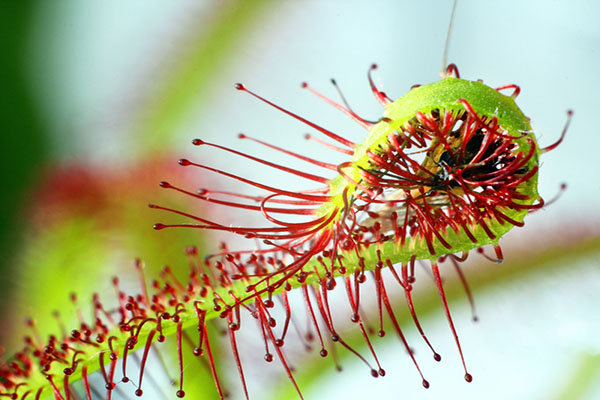
The Drosera – commonly called sundew – plant is gorgeous to look at but deadly to insects. Its dew-covered tentacles can move, bringing a trapped insect into contact with as many ‟sticking points” as possible. It then liquefies and digests the insect for nutrients.
Flytrap
The most famous of the insect-eating plants, this organism opens its convex lobes to reveal a juicy, pink meat that lures insects in. Once an insect lands, the hairs on the surface of the plant are triggered, snapping the trap shut. This effectively forms a stomach, which digests the meal.
Nothing can make a plant nursery or garden look worse than having chewed up holes in the plants’ leaves and fruits, but it should stop there. If plant bugs – or any pests – have made their way inside your home, it’s a good idea to contact a pest management professional right away.