Home Garden
Cockroach infestation solutions for kitchen appliances
Content updated: May 8th, 2026
Key takeaways
- Cockroaches in the kitchen often hide in warm, dark areas like sinks, drains, and behind refrigerators or stoves, making them difficult to detect early.
- Cockroaches can squeeze through even the tiniest cracks and openings to get inside appliances.
- While they won’t necessarily damage appliances, cockroaches can contaminate surfaces and food, spreading bacteria like E. coli and salmonella.
- If you’re wondering what to do about cockroaches in the kitchen, removing food sources and cleaning thoroughly are key first steps to make the space less attractive.
- Getting cockroaches out of appliances involves sanitation, sealing cracks, and using monitoring traps, although infestations may require professional pest control.
Jump to section:
How cockroaches get into your appliances
Can cockroaches damage appliances?
What to do when you have cockroaches in your kitchen
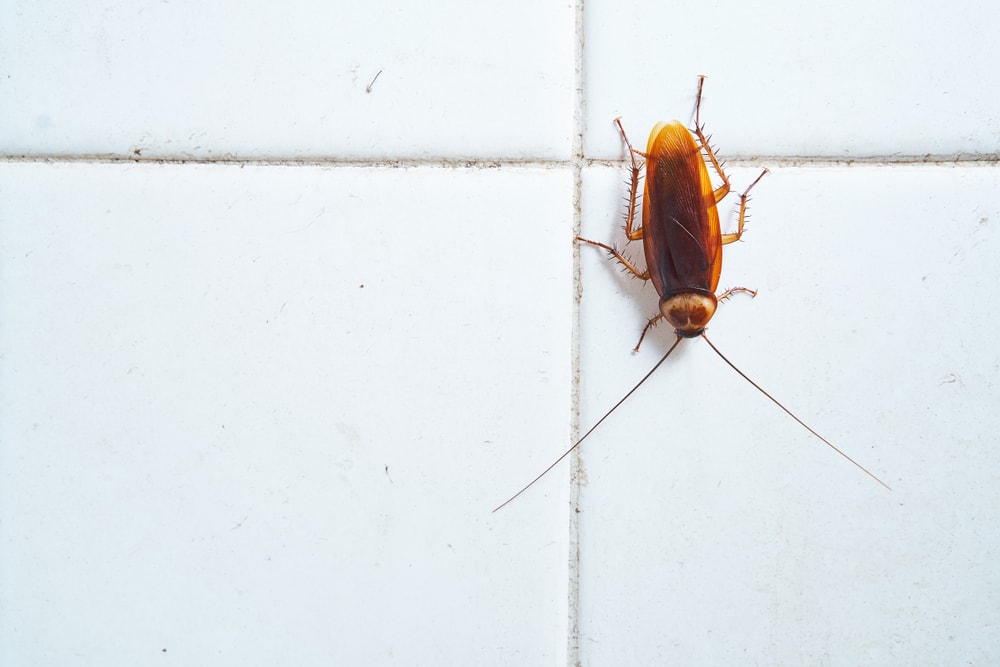
If you spot a cockroach in the kitchen or elsewhere in your home, there are likely more hiding nearby. Cockroaches prefer dark, moist spaces and can remain out of sight, allowing an infestation to grow before you realize it.
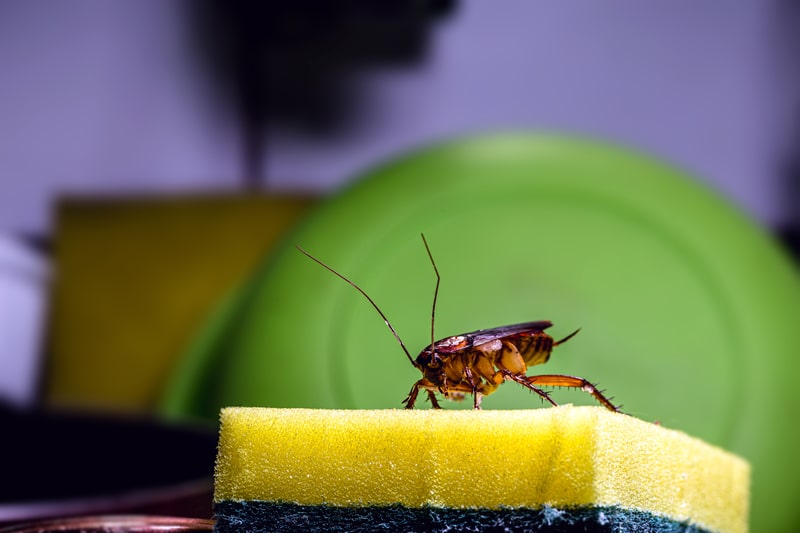
Drawn to food and warmth, cockroaches often settle in kitchens where crumbs and open food sources are available, and they may even move into your appliances. If you’re wondering what to do about a cockroach in the kitchen or how to get cockroaches out of appliances, understanding their habits is the first step.
How cockroaches get into your appliances
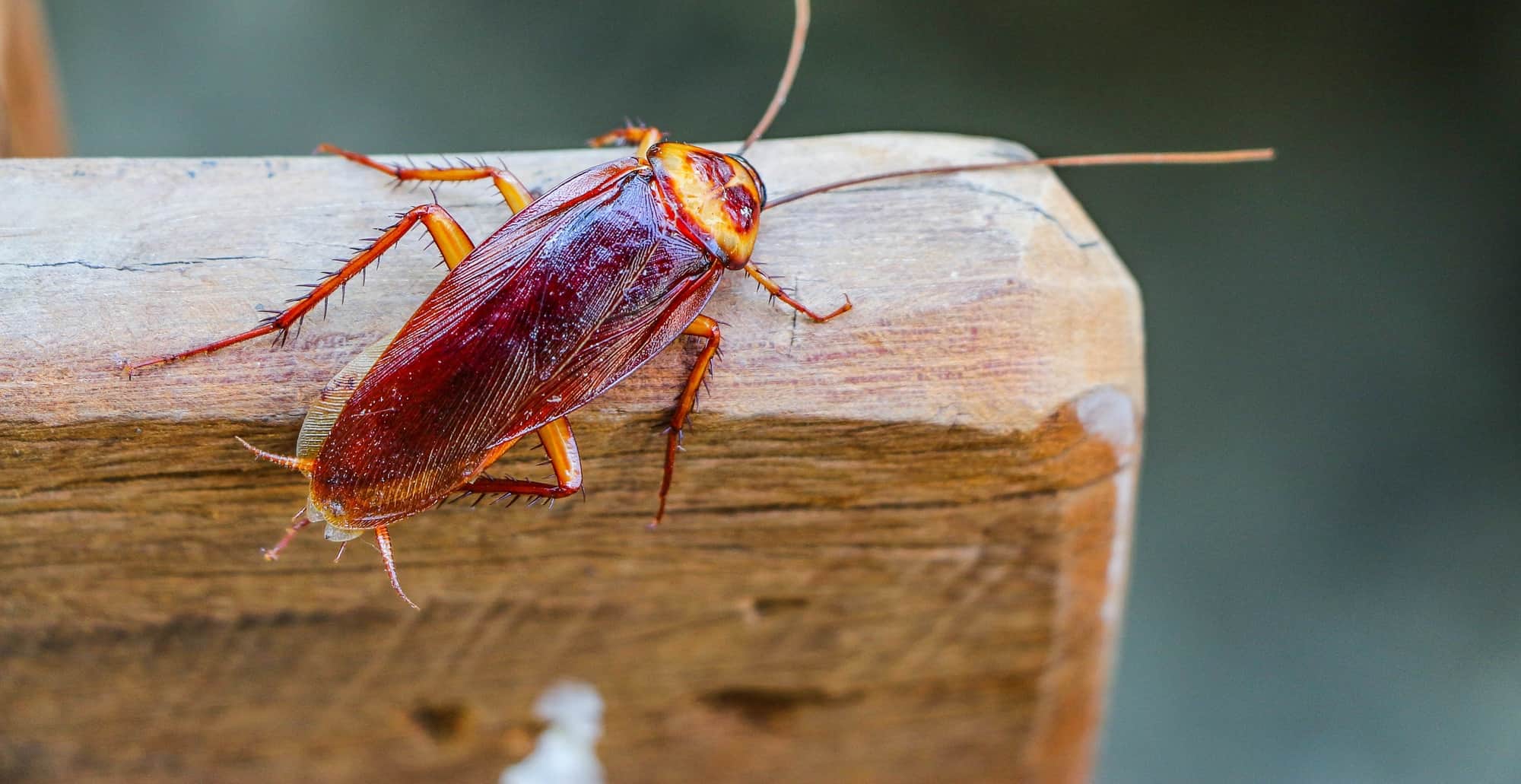
Many places in your kitchen — like your sink, drain or the areas behind your refrigerator or stove — make attractive homes for cockroaches. These flat, brown insects are nocturnal creatures, and during the day, they like the shelter and food that these spots provide.
If the environment is right, cockroaches can breed rapidly, making an infestation virtually inevitable. You may not even see any cockroaches, because they're so good at hiding. Most people may never even see a living cockroach and may, instead, only become aware of the problem when they see a dead one.
Though one cockroach does not make an infestation, it could be a sign of a larger one and the number of cockroaches could grow quickly if the issue is not properly addressed. Sticky traps, or glue traps, are a good way for pest control professionals to monitor the presence of cockroaches.
In addition to their rapid breeding, cockroaches can squeeze themselves through even the tiniest cracks. Because your appliances have small openings around seals, cockroaches can potentially find their way into your appliances and set up camp.
They can also hide out in your cabinets, under carpets or rubber mats, or behind peeling wallpaper. They are typically found near areas of warmth and food. Cockroaches will feed on human food as well as items that humans don't consider food, like grease, glue, soaps and paper or cardboard that are stained with food oil.
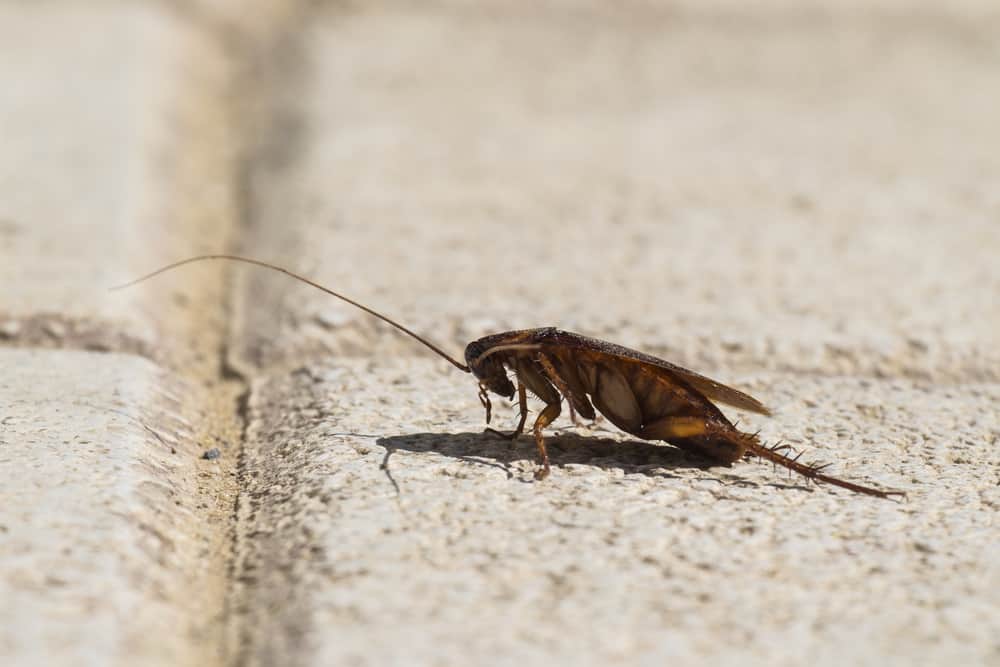
It's a good idea to learn what cockroach egg cases, exoskeletons and droppings look like, as these are all signs of a cockroach problem. It's important to remember that even if you don't see living cockroaches, you can still have an issue.
Can cockroaches damage appliances?
Though cockroaches won't necessarily damage your appliances, they can contaminate them and whatever is inside. Cockroaches can contaminate anything that they touch or walk across and can even transfer E. coli and salmonella from one food source to the next. So it's obvious why you wouldn't want cockroaches in your refrigerator around your food.
And a cockroach infestation in your kitchen may spread to other rooms close to the kitchen, so it's important to take care of the problem as soon as you can.
What to do when you have cockroaches in your kitchen
If you notice a single cockroach in your kitchen, there are likely more in hiding. But before you panic, there are a few steps you can take to help prevent an infestation.
Remove food sources
If cockroaches don't have anything to eat, they likely won't thrive in your home. One of the best things you can do to make your kitchen less attractive to them is to remove all available food sources. Be sure to clean up crumbs, close food bags or containers, and put away leftovers immediately instead of letting them sit out on countertops.
Clean everything thoroughly
Cockroaches are extremely good at seeking out even the tiniest morsel of food, so they will find their way to old spilled substances in your fridge, microwave or stove. They can also infest the refrigerator seals and motors. Be sure to remove grease and soap residues off counters and other items. You should also wipe down counters regularly to help clean up any pheromones left behind.
Place monitor traps around your kitchen
If you notice areas that are particularly infested, roach glue traps should be placed nearby. These traps are usually sticky, and when a cockroach walks over it, it gets stuck and cannot release itself. By doing this, you can see if you have a cockroach infestation, and if it's getting better or worse with your control measures in place. It's recommended for a pest control professional to do this as the placement is important. It's important that the trap is placed where pets and children are not going to interact with it since it has an adhesive.
Seal up any cracks
You should seal up gaps or cracks in the foundation of your home, as this may be where they're getting inside in the first place. You should also remove cracks and crevices in the kitchen where German cockroaches could hide.
While these solutions can all help you deal with cockroaches, if you feel you may have a cockroach infestation or are concerned that your infestation may get out of control, you should call a pest professional to help. Cockroaches are notoriously difficult to get rid of, even when you clean your entire kitchen thoroughly, and they're one of the top reasons people call in the experts. Contact Terminix® today to get rid of cockroaches in your kitchen and home.