Home Garden
What animal is burrowing in my yard?
If you have noticed small holes and mounds of dirt in your yard, chances are you have some fossorial animals in your garden. Fossorial animals are animals that burrow and live underground, like pocket gophers, moles, prairie dogs, ground squirrels, groundhogs, and rabbits. They can cause significant damage to your yard by digging extensive networks of tunnels and burrows, which can compromise the soil structure and drainage, making it difficult for plants to grow.
You can use different methods to help get rid of these pests, but before you start, knowing which animal is burrowing in your yard is essential so you’ll know what approach to take. If you're wondering, "What animal is digging holes in my yard?" keep reading to learn how to identify the culprit and determine the best course of action.

Signs of burrowing animal activity
Your seemingly peaceful backyard might be a hidden battleground for a whole other set of residents: animals that burrow. If you suspect you have burrowing animals in your backyard, here are a few signs to look for:
- Small holes and mounds of dirt in the lawn or garden
- Damaged roots, bulbs, and plants due to tunneling and burrowing
- Uneven and bumpy lawn surface
- Trampled or damaged vegetation and flowers
- Animal tracks and footprints around the burrow entrances
- Presence of droppings and feces near the burrows
- Sounds of digging and scratching noises under the ground, especially at night
Moles
Moles are one of the most common animals that burrow and have the potential to wreak havoc on your lawn. These small, mostly blind mammals have brownish-gray fur, paddle-like forefeet, and a keen sense of smell to navigate their underground world. These tireless tunnelers spend their days constructing elaborate tunnels just beneath the surface, searching for earthworms and insects to eat. While their burrowing aerates the soil, the raised ridges and unsightly mounds they leave behind can be a real nuisance in yards and gardens.

Pocket gophers
Pocket gophers can be easily identified by their external cheek pouches, or "pockets," which are used to carry food or nesting materials. They are typically six to 10 inches and have short fur, tiny eyes and ears, and powerful front claws for digging. They rely on their sensitive whiskers for navigation in their intricate tunnels. Their extensive burrowing disrupts plant growth and leaves behind telltale horseshoe-shaped mounds of dirt, making them a nuisance for many homeowners.

Ground squirrels
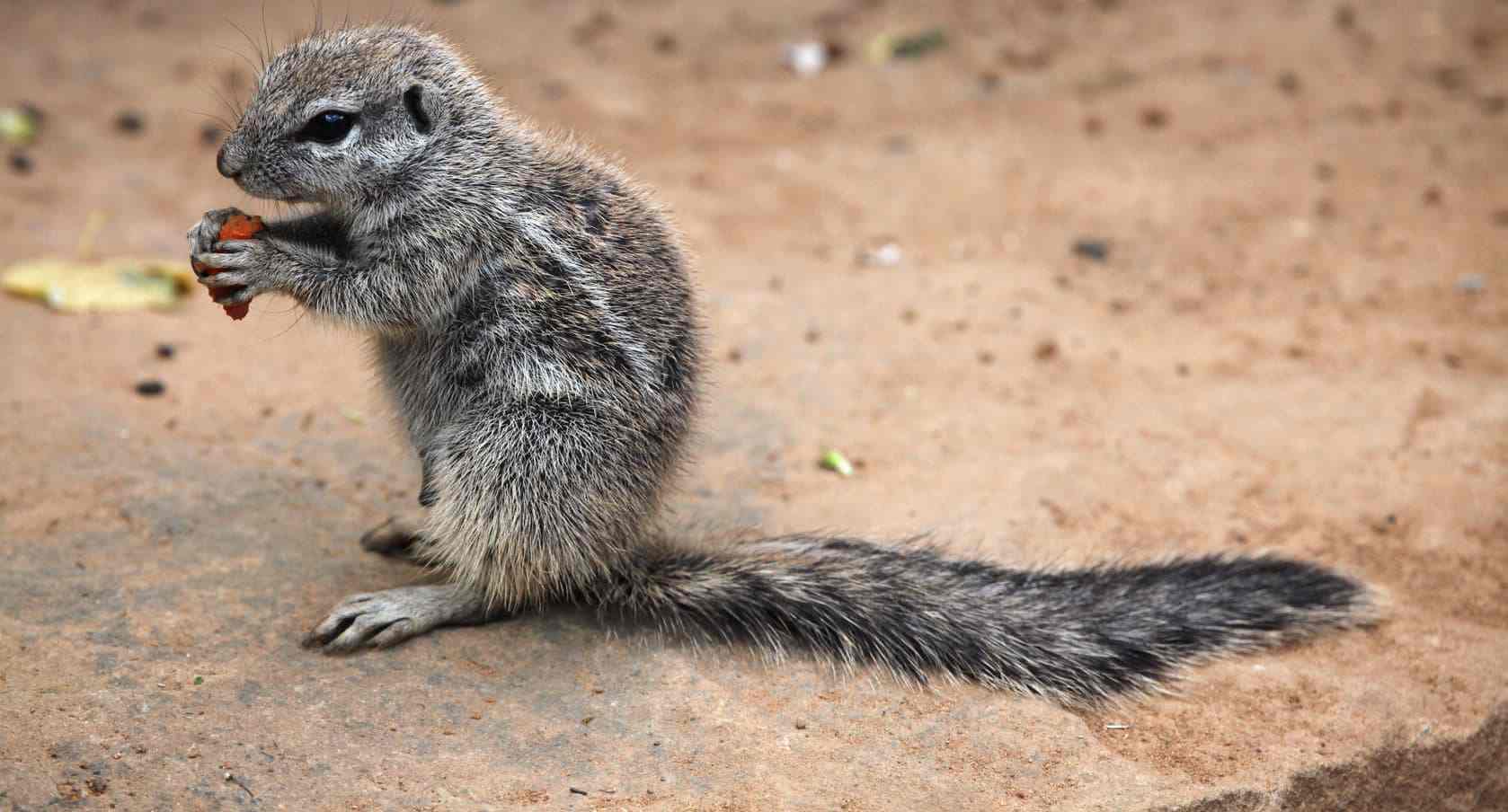
Ground squirrels are small rodents with brown or gray coats, light bellies, and a bushy tail. Their bodies are typically nine to 11 inches long, with their bushy tails adding another five to nine inches. These active creatures spend a significant portion of their time above ground, foraging around the entrance to their burrows, looking for seeds, nuts, and insects. They can damage many plants, including fruit trees, vegetables, and shrubs. They may chew on plastic sprinkler heads and irrigation lines and even burrow under your patio, stairs, or foundation, causing structural damage.

Prairie dogs
Prairie dogs are typically 14 to 17 inches long with reddish-tan fur, large eyes, short ears, and broad, round heads. Prairie dogs are highly social creatures and live in large colonies, each with its own burrow. They are active during the day and spend most of their time foraging for food. While prairie dogs are cute, their extensive tunneling can create holes and mounds, which can be hazardous for people and pets to walk on.

Chipmunks
Chipmunks are small, reddish-brown rodents with distinctive facial stripes and bushy tails. They're primarily active during the day, diligently gathering seeds and nuts to store in their underground burrows. While not as destructive as other animals that burrow, chipmunks can still be a nuisance by digging small holes in your yard.

Mice
While they might not be the first to come to mind when thinking of animals that burrow, some types of mice, like field or deer mice, can also be a problem for homeowners' yards. These tiny rodents, typically brown or gray, have pointy snouts, large ears, and long tails and can cause damage by uprooting plants or digging holes around your lawn. Mice are nocturnal creatures and are most active at night.

Groundhogs
Also known as woodchucks, groundhogs are one of the more sizable animals that burrow. These large rodents have brownish-gray fur and short, stocky legs well-adapted for digging. They have a rounded body and a bushy tail and can grow up to two feet long. Groundhogs are herbivores and feed on various plants, including vegetables and fruits. Their extensive burrowing habits can cause structural damage to buildings, patios, and walkways.

Skunks
While not strictly burrowing animals in the traditional sense, skunks can occasionally dig shallow dens or utilize abandoned burrows for shelter. These black and white striped mammals are easily recognizable by their distinctive markings and potent spray. Though primarily nocturnal and insectivores, they occasionally raid gardens for fruits and vegetables. While their burrowing activity is minimal, their presence can be a concern due to their defensive spray, posing a potential threat to pets and humans.

Voles
Voles are about the size of a tennis ball and are often mistaken for mice. They have brown or gray fur, a stocky body, short legs, a short tail, and prominent incisors for gnawing. These small creatures create shallow tunnels beneath the surface, leaving dime-sized holes and flattened runways through your lawn. Voles are active throughout the year and can attract other animals that burrow, such as moles and gophers, which can further harm your yard.

Wildlife prevention tips
If you're struggling with animals that burrow in your yard, there are several ways to prevent them from causing damage:
- Reduce food sources by keeping your yard free of fallen fruits and nuts.
- Install barriers like hardware cloth or mesh to line the bottom of raised garden beds or planters.
- Keep the yard clean by regularly raking leaves and debris.
- Install fencing around the perimeter of your yard.
At Terminix, we understand the frustration of dealing with animals that burrow, and we are here to help! If you need help dealing with these unwanted burrowers, contact us today to learn more about our wildlife control services.