
Home Garden
What is a groundhog?
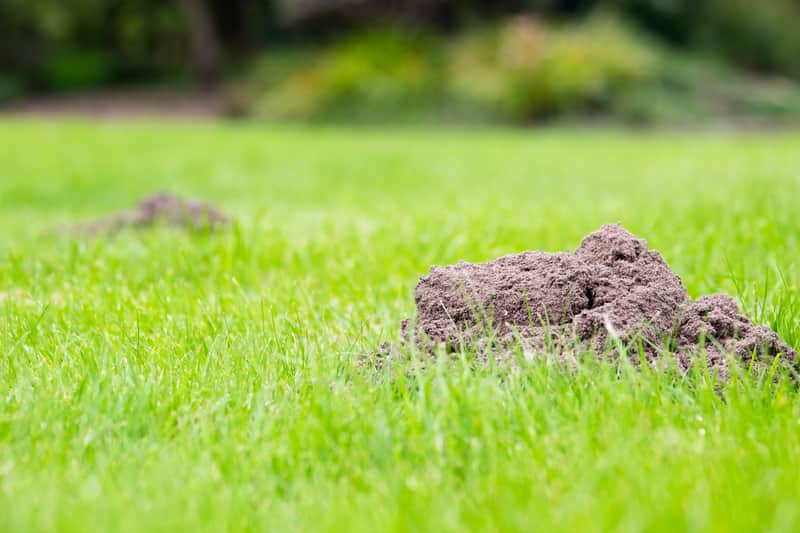
If you’ve spotted a dirt mound in your yard or noticed that your crops are being destroyed – you may be dealing with groundhogs. Also called woodchucks and whistlepigs, groundhogs belong to the large group of rodents classified under the family Sciuridae, which includes common backyard animals like squirrels. While groundhogs are not considered a public health threat, they can still be a nuisance and cause property damage. So, what is a groundhog? And how can you get rid of these pests?
How to identify a groundhog
Groundhogs spend most of their time underground in their burrows but will come out to forage for food during short periods in the early morning and early evening. They can be identified by several key characteristics.
Body characteristics: Dense, stout bodies with short legs and are covered with fur
Claws: Long and curved, perfect for digging underground burrows
Teeth: Long, incisor teeth
Color: Grey-brown, but some are albino or all-black
Size: Five to 10 pounds and 16 to 20 inches long with tails being four to seven inches long
Male and female groundhogs look similar, but the males may be slightly larger in size. In addition to their physical characteristics, groundhogs are known for the variety of sounds they make, which include low barks and a distinctive whistle they use to alert their colony of impending danger – earning them the nickname “whistlepig.”

Groundhogs vs. gophers
Groundhogs are often confused with another backyard rodent, gophers. Groundhogs are larger and have a stocky build with short legs, a bushy tail, and coarse brown fur. Gophers, on the other hand, are smaller, weighing around one pound and measuring about six to eight inches long. They have fine, soft fur, small eyes and ears, and large cheek pouches for carrying food. Groundhogs are primarily found in the open fields, while gophers are more secluded. They are both widely known for their impressive burrowing skills, creating large, complex underground networks or tunnel systems.
Where do groundhogs live?
Groundhogs typically live in crop fields or meadows close to woodlands. These areas provide shelter and cover to avoid predators. During winter, woodchucks live underground in burrows that they create by digging. Besides being a place for hibernation, burrows are also where mating occurs and offspring are born. In the spring, when the hibernation period ends, groundhogs may venture 50 to 150 feet from their burrow to find food or a mate.
Groundhogs do not venture far from the burrow, staying close to avoid predators and quickly returning to safety. Even in the summer and fall, groundhogs prefer to remain hidden when not foraging for food. While they’re most active during the day, woodchucks only emerge for up to two hours each day.
Groundhogs usually have two separate burrows, one for summer (grassy field area) and one for winter (wooded area). During the approximately three-month hibernation period, groundhogs enter their winter burrows with only one entrance. Hibernation dens are found at the end of the burrow and are lined with grass. Groundhogs will use soil to block off the burrow entrance and hibernate through winter. They generally dig their burrows in areas that are slightly elevated to avoid being flooded during rainy seasons. Burrows are usually on a slope in well-vegetated areas such as crop fields, meadows, or pastures. Woodchucks look for soft, loose soil and avoid wet soil when looking for a spot to start digging.

Signs of groundhog activities and dangers
Groundhogs are known for the damage they can cause in gardens, crop fields, orchards, plant nurseries, and farms. As herbivores, they primarily feed on crops, grass, and flowers, which easily strip these plants away. In some cases, the creation of their burrows can also cause severe damage to building foundations, and the unstable ground around burrows can cause a hazard for farm animals, people, and equipment. A burrow may appear to simply be a hole in the ground, but they are much more expansive than meets the eye. Groundhog burrows are elaborate tunnel structures with different chambers for nesting, raising offspring, and defecating. Burrow openings can be up to 12 inches in diameter. If the burrow is too close to a structural foundation, it could cause hazardous repercussions. While groundhogs are generally not aggressive towards humans or pets, they can defend themselves with teeth and claws if threatened or cornered.

The average lifespan of a groundhog
On average, groundhogs can live for about three years. Their short lifespan can be attributed, in part, to their susceptibility to predators, such as coyotes, foxes, bobcats, hawks, owls, and even household pets (e.g., dogs). Groundhogs begin reproducing during their second year of life. Breeding season occurs after hibernation ends around March, depending on geographic area and environmental temperatures. There is a single groundhog litter born each year for each female, and the gestation period is approximately 30 days. Groundhogs can deliver up to five offspring at a time.

How to help prevent and get rid of groundhogs in your yard
Managing groundhogs in your yard requires a strategic approach. While it may be tempting to turn to methods like trapping or poisons – DIY doesn't cut it. Professionals know where to look and how to treat these pests, including humane trapping, exclusion, and prevention.
If groundhogs have taken over your yard – it’s time to call Terminix. Our wildlife experts have the knowledge and experience to help remove these pesky critters from your property. Schedule your free inspection today.