Education
What are spider mites?
Learn how to keep spider mites away from your plants.
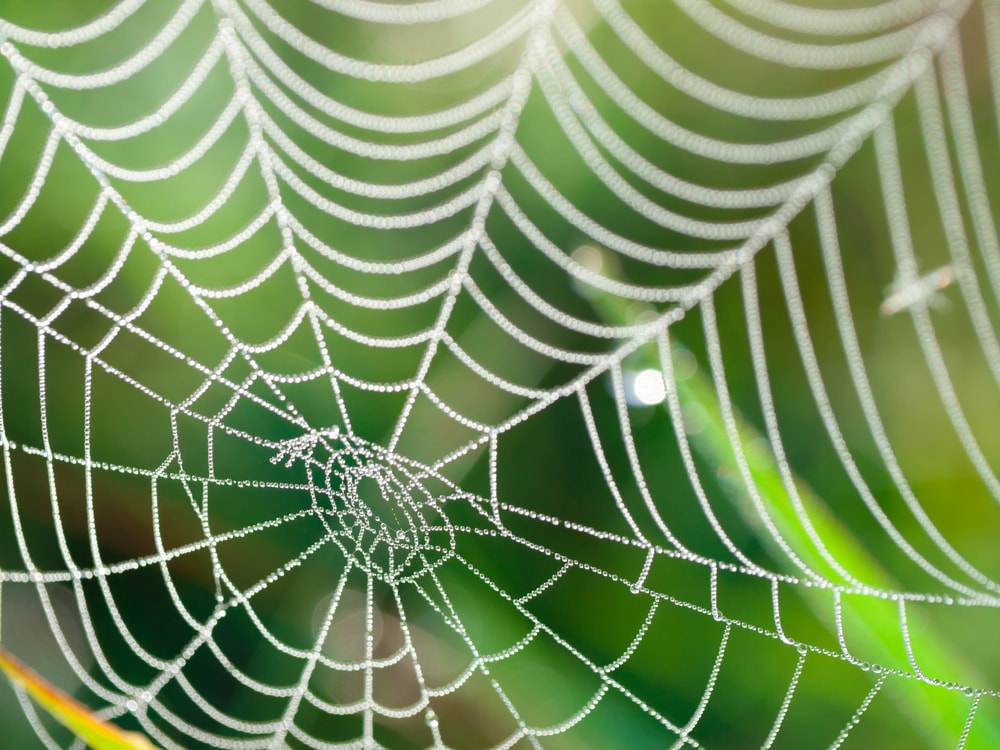
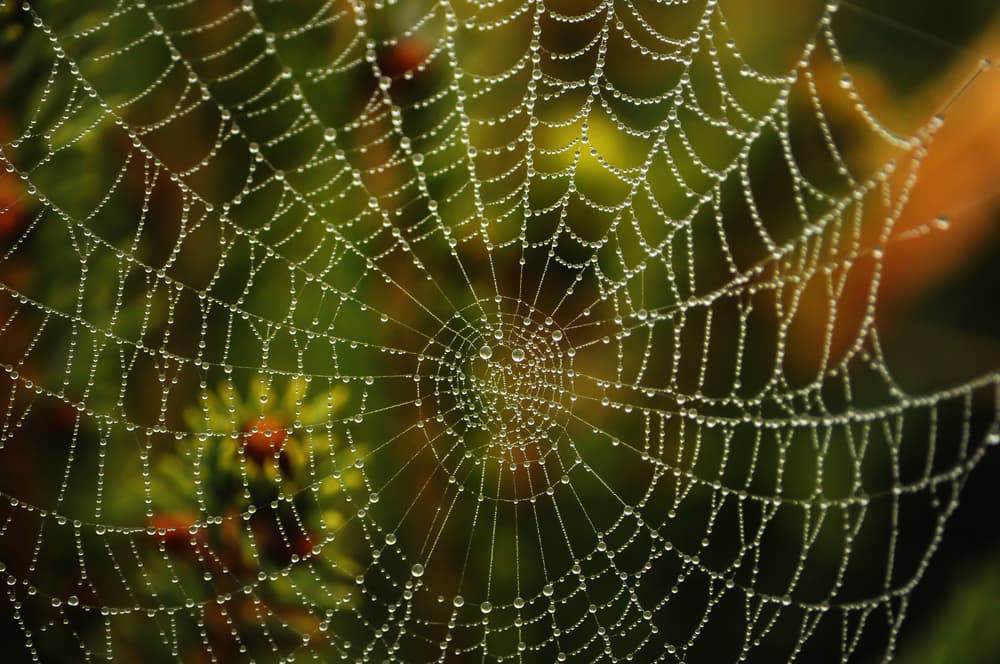
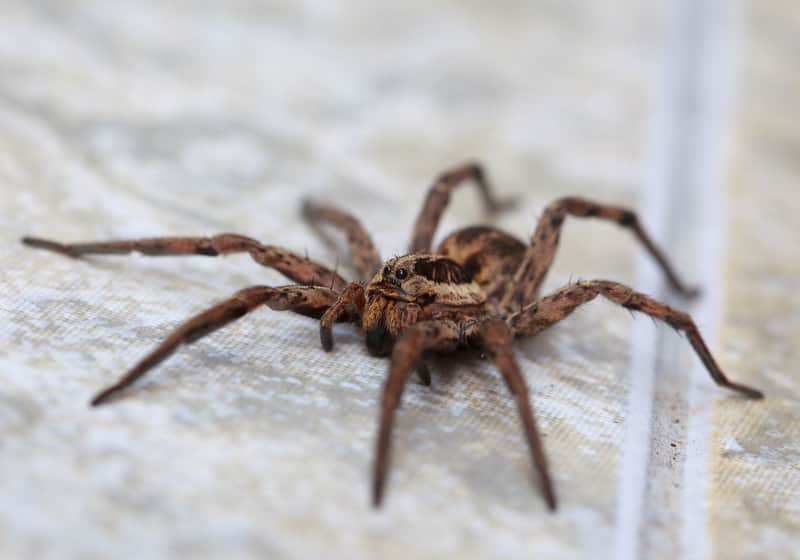
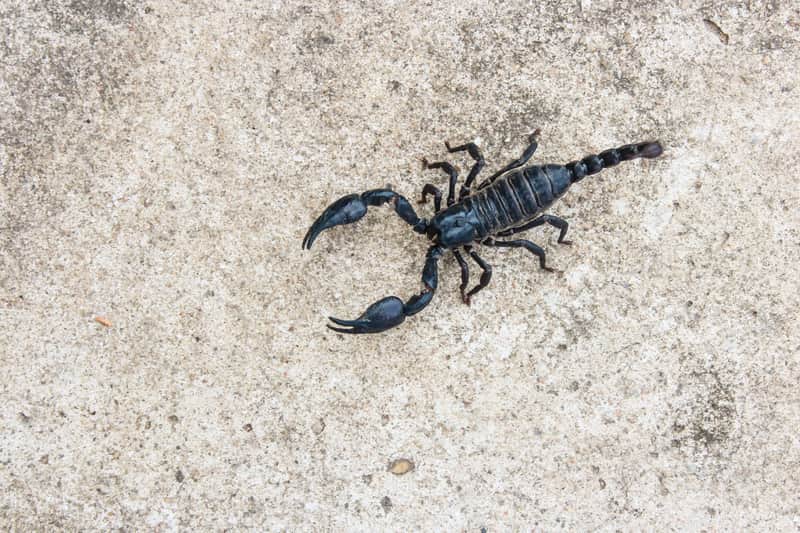
Spider mites are arachnids from the Tetranychidae family, meaning they are related to spiders, ticks, and scorpions rather than insects. Some of these species spin silk and form webs, mostly to protect their eggs and young from predators. Spider mites reproduce quickly and primarily eat plants, so an infestation can cause a big problem for both your indoor plants and your outdoor garden. Read on to learn how to get rid of spider mites.
How to identify spider mites
There are up to 1,200 different species of spider mites that vary in size and color. They are virtually microscopic—adults average 1/50th of an inch in length, making them difficult to spot and identify with the naked eye. Instead of spotting a spider mite itself, look for signs of their presence.
If you notice stippling or webbing on your plants, use a magnifying glass to check both sides of their leaves. If you are still unsure if you have a spider mite problem, take a sheet of white paper and turn a leaf over on top of it. Tap it gently. Wait and watch for movement—if spider mites have infested the plant, you should be able to see them moving across the surface of the blank paper.
Spider mites grow from egg to adult over the course of five stages. Some female spider mites have an average lifespan of 30 days and can produce 100 eggs on average during that time. The two-spotted spider mite can mature in as little as five days and be ready to reproduce. For this reason, two-spotted spider mite populations tend to rapidly increase, especially under favorable climatic conditions (hot and dry). Sizable populations of two-spotted spider mites are also more likely to coat plant leaves and stems with webbing.
Where do spider mites come from?
Did you bring home a new houseplant recently? The chances are good spider mites got into your home by hitching a ride on the plant undetected. Once inside, they can easily spread to other plants and reproduce quickly. Indoors, spider mites are especially attracted to popular houseplants like palms, calathea, and English ivy, but they aren’t overly picky. Outdoors, they gravitate towards fruit trees, vegetables, and popular ornamentals, such as roses.
Spider mites can also enter your home the same way other pests do—through tiny cracks, holes, and spaces that aren’t sealed properly. Securing your home, inspecting and treating new plants, and staying diligent when you notice signs of spider mites are the best ways to keep them to a minimum and nip any infestations in the bud.
What damage can spider mites cause?
Spider mites feed on the chlorophyll in plants. They use their piercing mouthparts to puncture individual plant cell walls and suck out the vital fluids those cells contain. Leaves bearing many tiny white spots or showing a stippled appearance are likely signs of a spider mite infestation. If spider mites are allowed to continue feeding, the damaged leaves will likely turn brown and eventually drop off the plant.
Spider mites aren’t a physical threat to pets or humans, but if an infestation grows large enough, they can be difficult to fully eradicate and become a nuisance. They are also capable of destroying an entire houseplant collection or garden if they aren’t dealt with.
How to help prevent spider mites
Preventative maintenance is the best strategy. Check your plants every one to two weeks for signs of spider mites. Because indoor temperatures are stable and climates tend to be drier indoors, house plants should be checked weekly.
If you are purchasing new plants, be sure to inspect them for signs of spider mite damage. Spider mites that you unsuspectingly import to your garden or home can rapidly colonize. Plants that are over-fertilized may be more attractive for female two-spotted spider mites as they contain more proteins and amino acids, which are a food source for this pest.
Wondering how to get rid of spider mites? Washing delicate plant foliage with a soft cloth or spraying down leaves with lukewarm water can help detach any existing bugs. Insecticide, insecticidal soap, and horticultural oil are also effective strategies for eliminating a current and preventing a future infestation.