Education
What are arthropods? (Phylum Arthopoda)
You’ve heard of insects, and you’ve heard of arachnids—but what about arthropods? Insects and arachnids both belong to the phylum Arthropoda, which includes some of the smallest organisms and organisms that have a fossil record. Learn more about arthropods, their behavior, and how to identify them.
The phylum Arthropoda
Before going into more detail about phylum Arthropoda itself, it’s worth understanding a little bit about the terms used to group organisms in taxonomy. The animal kingdom contains all the animals—living and extinct—in the world. Each kingdom may have several phyla. Phylum includes classes, orders, genus and species. All of these different categories have been created based on shared characteristics. Species is the most specific group, sharing a few characteristics that set it apart from other species. A species will also have the same characteristics as other organisms within the same phylum, class, order, family, and genera.
Arthropoda is the largest phylum in the animal kingdom. By some counts, there are close to ten million different types of recorded arthropods—and some even think this is just a fraction of how many species actually exist.
Key characteristics of arthropods
What makes arthropods distinct is the exoskeleton, the hard exterior shell where the muscles attach. The exoskeleton is usually composed of the complex sugar chitin, and bound to protein. The exoskeleton is secreted by the arthropod’s epidermis (which differs from the skin of other animals). Arthropods have segmented bodies and jointed appendages. However, the number of appendages and segments can vary; for example, the millipede is a well-known arthropod famous for having hundreds of legs—though not quite the one thousand legs, despite the number being a common misconception. In fact, the name arthropod is derived from Latin, which means “jointed feet.” Arthropods also grow through the process of molting, where they shed their exoskeleton to reveal a new one.
Types of arthropods
Thousands of organisms fall under the arthropod phylum umbrella and they all have their own unique characteristics. While most arthropods are fairly small, some aquatic forms can grow to be quite large because they have the support of water through which to more easily move their bodies. For example, spider crabs may grow to weigh as much as 14 pounds, while any of the terrestrial insects have not been known to grow over a quarter of a pound. If you’re wondering if they are dangerous, it depends. Some arthropods bite or sting and some don’t—it all depends on the species.
Here are some of the types of arthropods you may come across:
Insects
Insects are a class within the phylum Arthropoda. They have a head, thorax, and abdomen with a single pair of antennae and three pairs of legs and may or may not have wings. Under the insect class is the order Hymenoptera, which includes ants, bees, and wasps, and the order Lepidoptera, which includes butterflies and moths. The venom of some arthropods in the insect order is being studied for use in certain types of medicine.
Arachnids
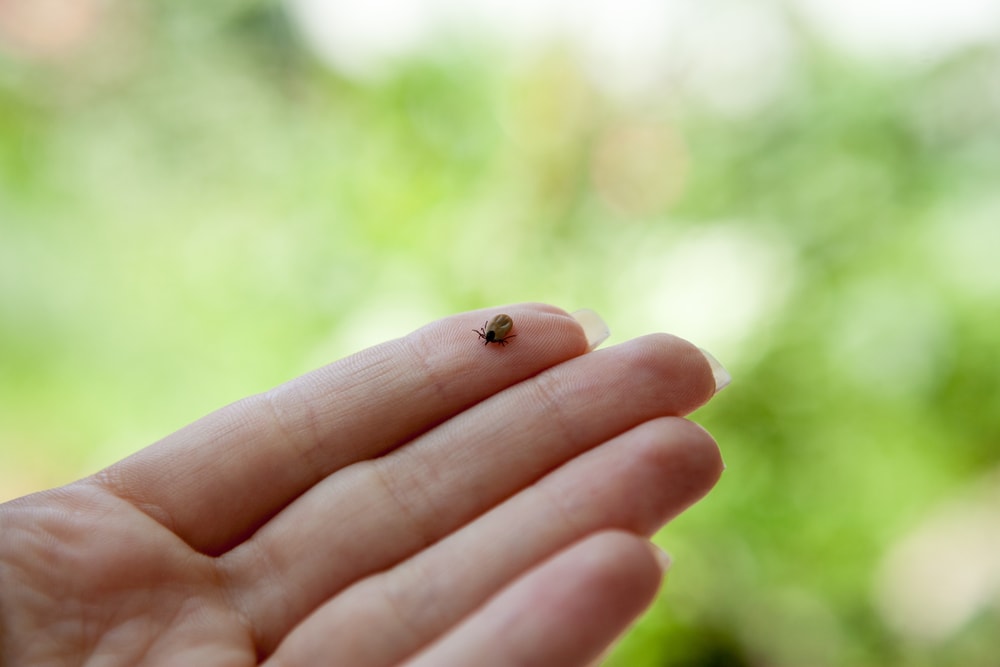
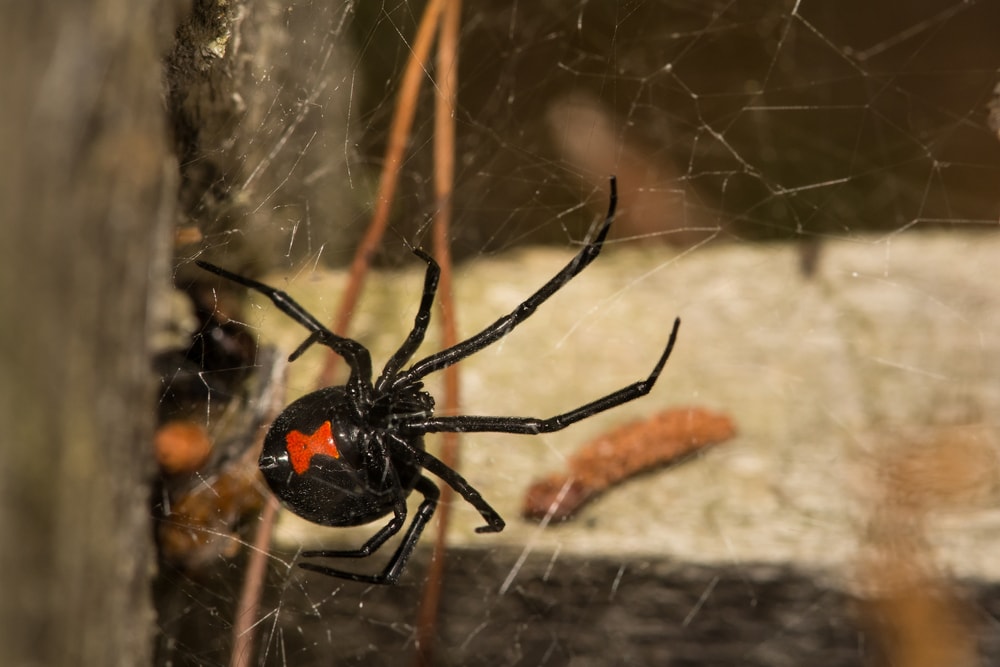
Arachnids are another class under the Arthropod phylum that includes spiders, scorpions, ticks, mites, and more. Classified as the subphylum Chelicerata, arachnids have two distinct body regions: a cephalothorax and an abdomen. Most arachnids have eight legs as adults and additional appendages that are associated with mouthparts. Only a few have less than eight (either as adults or immatures).
Crustaceans
The Crustacea subphylum is a very diverse class made up of mostly aquatic crustaceans including shrimp, crab, lobster, crayfish, barnacles, and more. There are both salt-water dwelling and fresh-water dwelling crustaceans. While most crustaceans are marine animals, some have become terrestrial over time, such as the pill bug (or roly-poly), and sowbug, which can be found on land.
Myriapods
Part of the subphylum Myriapoda, there are about 13,000 myriapod species, such as millipedes and centipedes. They have one pair of antennae and a multi-segmented trunk with mouthparts on the underside of the head and multiple legs running down either side of the body. The house centipede is very common across the U.S. and is usually found in damp basements, closets, and bathrooms. Some types of centipedes are venomous and can cause an allergic reaction, although it’s rare for humans to be bitten by one.
Need help with arthropod control? We can help with pest control strategies that are tailored to your needs.