Education
Ticks vs. bed bugs: Key differences explained
Ticks and bed bugs are often mistaken for one another, but they differ in appearance, behavior, and risks. Learn how to identify each pest and take steps to prevent and manage infestations.
Tick vs. bed bug appearance

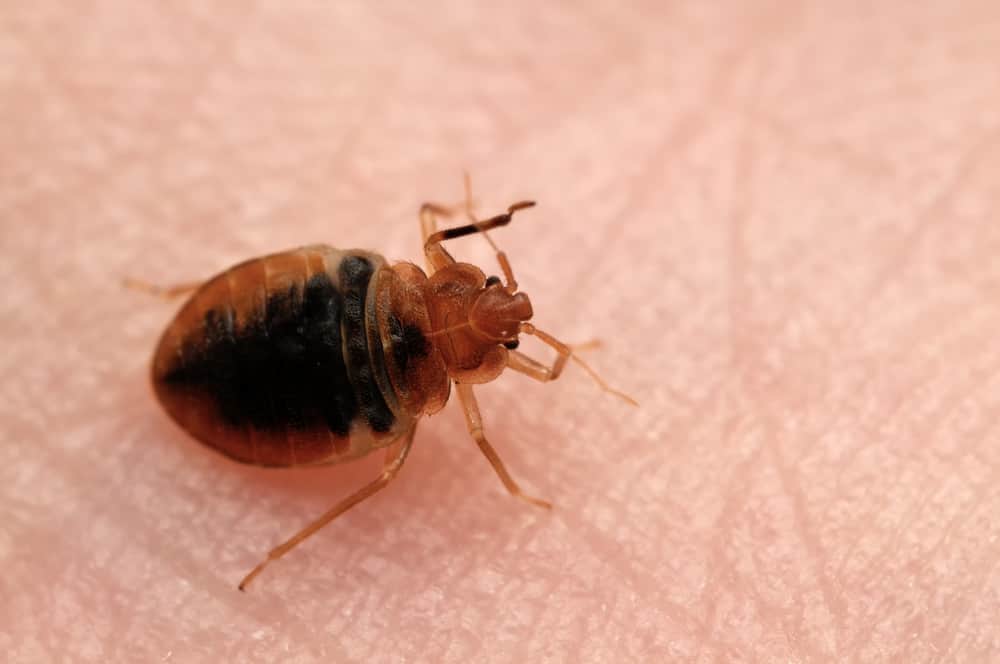
Can ticks be mistaken for bed bugs? Yes. At first glance, ticks and bed bugs can appear similar, as both are wingless, oval-shaped, brown, and flat. However, a key difference lies in the number of legs: adult ticks have 8 legs, while bed bugs only have 6.
After feeding, their appearances change noticeably. Ticks become much larger and remain oval, while bed bugs swell and turn a darker reddish-brown.
Common signs of an infestation
Ticks and bed bugs leave behind different clues when they invade homes or outdoor spaces. Recognizing these signs can help you address the infestation quickly and effectively.
Tick infestation
Ticks are often brought indoors by pets or humans after spending time outside. Look for ticks on your pet’s fur, particularly around the ears, neck, and underbelly, or on your own clothing or skin. Outdoors, ticks reside in tall grass, weeds, and overgrown areas, especially near forest edges or along walking paths. Tick eggs are small, brownish-red, and laid in clusters in these outdoor spaces or occasionally in cracks and crevices indoors if they’ve hitched a ride inside.
Bed bug infestation
Unlike ticks, bed bugs infest indoor spaces. Signs of bed bugs include small rust-colored stains on bedding or furniture, tiny white oval eggs adhered to surfaces, and red, itchy bite marks on exposed skin. Bed bugs are nocturnal and tend to hide in mattress seams, bed frames, and furniture crevices, making them harder to spot during the day.
Tick vs. bed bug bites
Ticks and bed bugs both feed on blood and can leave behind bite marks that cause irritation, swelling, or rash. However, their bites differ in appearance, symptoms, and potential risks to your health.
Tick bites
Tick bites are often painless and can go unnoticed until the tick is discovered attached to the skin. Reactions vary depending on the individual, with some experiencing little to no symptoms and others developing redness, swelling, or a large circular rash around the bite site. Unlike bed bugs, ticks can transmit diseases, including Lyme disease, tularemia, and Rocky Mountain spotted fever. Symptoms of these diseases may include fever, headache, muscle aches, and fatigue.
If you find a tick latched onto you, remove it promptly using pointed tweezers, ensuring the entire body is removed, and place it in a container of rubbing alcohol for disposal.
Bed bug bites
Bed bug bites are typically small, red, and itchy, often appearing in a line or cluster on exposed skin. These bites may cause a burning sensation or mild swelling but do not transmit diseases. While the bites themselves are not dangerous, the itching and discomfort can lead to secondary skin infections if scratched excessively.
Habitats
Ticks and bed bugs have distinct habitat preferences that reflect their feeding and nesting behaviors.
Ticks: Ticks thrive outdoors in wooded and grassy areas, often near their natural hosts like deer, birds, and rodents. Common outdoor habitats include tall grass, leaf litter, bird nests, and rat burrows. Ticks latch onto pets or humans passing through these areas and can be carried indoors. However, they do not infest structures and are usually found on pets, clothing, or in pet bedding if they are brought inside.
Bed Bugs: Bed bugs are indoor pests that prefer to live close to their human hosts. Common hiding spots include mattresses, box springs, bed frames, and furniture crevices. They may also nest behind baseboards, under wallpaper, or inside electrical outlets. Bed bugs are excellent hitchhikers and can spread quickly by sneaking into luggage, clothing, or personal belongings.
How to help prevent ticks and bed bugs
The best way to avoid becoming a host to ticks or bed bugs is to take proactive measures and consult with pest control professionals when needed.
Preventing ticks
Keep lawns mowed and remove debris, such as leaf or wood piles, to eliminate tick-hiding spots.
Avoid walking through tall grass or wooded areas, especially non-paved trails.
Wear protective clothing when hiking, like long sleeves and pants.
Consult with a pest control specialist to treat your yard with barrier protection, targeting areas where ticks are likely to reside.
Preventing bed bugs
Inspect and vacuum suitcases after travel to remove potential hitchhikers.
Check bedding and mattresses for blood spots, which may indicate bed bugs.
Wrap your suitcase in a large plastic bag when staying at a hotel to minimize exposure.
Examine second-hand furniture carefully for signs of bed bugs before bringing it indoors.
Schedule a home inspection with a pest control professional to identify and address early signs of an infestation.
Professional pest control solutions
Terminix offers expert services to help prevent and eliminate ticks and bed bugs. Our bed bug control services include thorough inspections and targeted treatments to address infestations, while our tick treatments focus on barrier protection in outdoor areas like tall grass, forest edges, and overgrown vegetation. Get started with tick control, or schedule a free bed bug inspection today.