Education
The Architect’s Role in Pest-Proofing: How to Leverage Exclusion Services From Day 1
A huge part of building a business is choosing a place to set up shop. Whether you're renting a space, buying property, or literally building your location from the ground up, it's important to think about pest prevention and exclusion before you ever open your doors to customers.
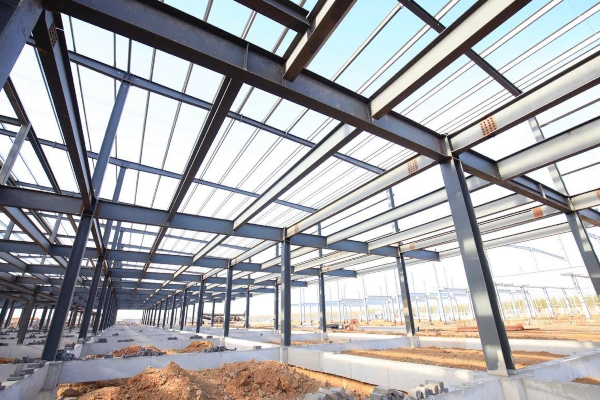
Prevention is the key to keeping pests at bay, but have you ever thought about taking prevention all the way back to how the building is designed and constructed? Here's how architects and builders can contribute to developing pest‐resistant properties starting from the planning stage all the way until the last brick is laid.
The Hidden Threat: Pests in Commercial Spaces
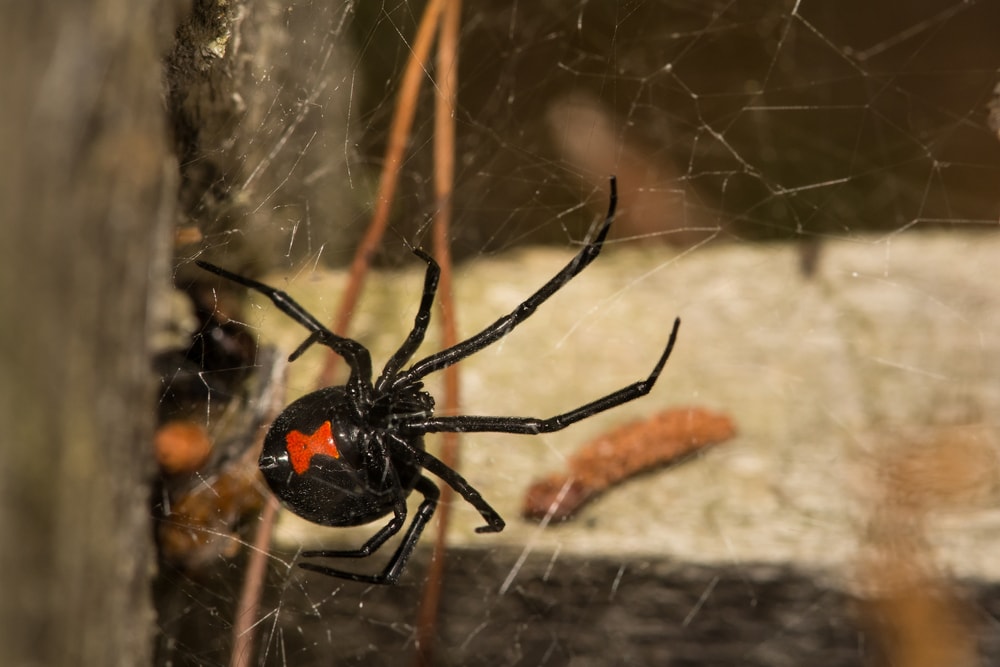
It's no secret that pests can have a major impact on the success of a business in virtually any industry. Their presence can disrupt operations, contaminate inventory, damage equipment and lead to negative reviews, a bad reputation and even shutdowns due to failed health and safety inspections.
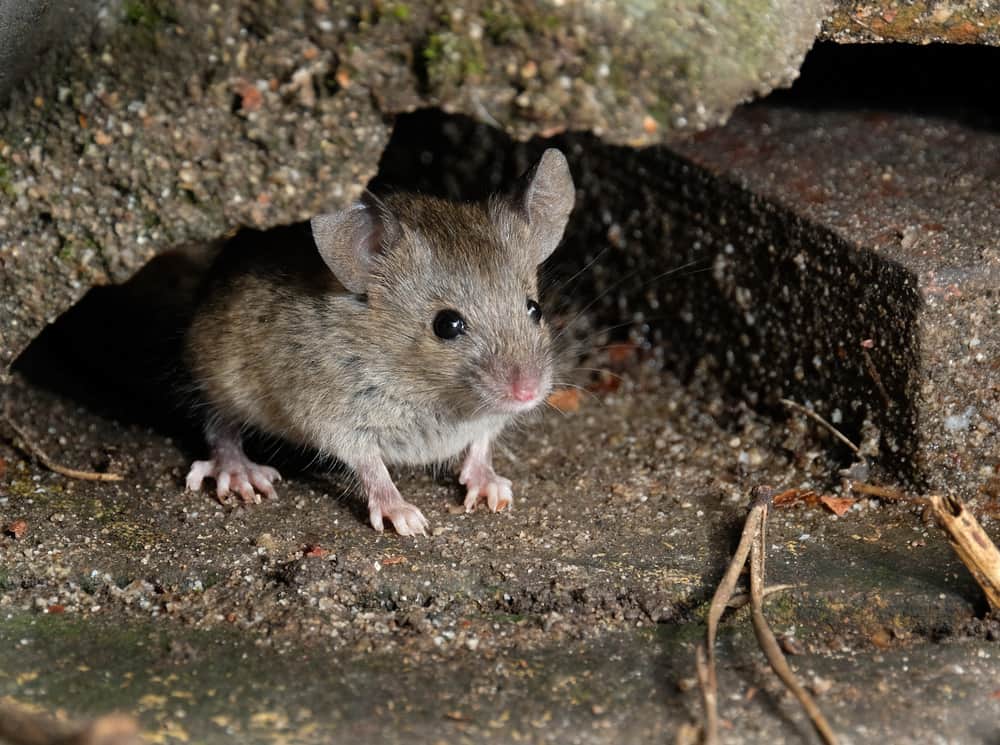
How and why pests enter a commercial space to begin with depends on a range of factors, including how vulnerable the building is to intruders. Common entry points can include doors and windows that aren't sealed properly, drains and vents, gaps, cracks and holes in the walls and foundation. Most pests, from insects to rodents to birds, are looking for food, water, and a safe place to roost or reproduce, and they don't discriminate when it comes to the type of business they're invading.
Architects & Builders as Frontline Defenders
Architects are responsible for creating buildings that are visually appealing, but they also have to keep functionality and security in mind. Decisions like the location of the washrooms, the layout of the kitchen, and the options for waste disposal can have a real impact on day‐to‐day business operations. These things can also impact how susceptible the building is to pest issues.
Once the plans are transferred to the construction stage, it's important that builders are diligent and thorough with exclusion strategies, such as sealing up cracks and leaving no openings that pests may take advantage of down the road. Choosing durable materials that stand up to the elements and won't deteriorate prematurely can also make a big difference.
Both architects and builders should communicate with business owners to align on expectations and any unique business needs. For example, an office building or warehouse space will have different requirements than a building designed to house a restaurant or coffee shop.
Strategies for Pest Defense
While architects can't guarantee their buildings will never attract pests, they can implement certain exclusion strategies to safeguard against infestations. Here are some of the most common ways architects and builders can set a future business up for success with their designs:
- Ventilation systems: Many pests are attracted by the smell of food. Ventilation, including fans in kitchens and food prep areas, and a well‐thought‐out HVAC system can help eliminate odors, leaving nothing behind to attract hungry pests.
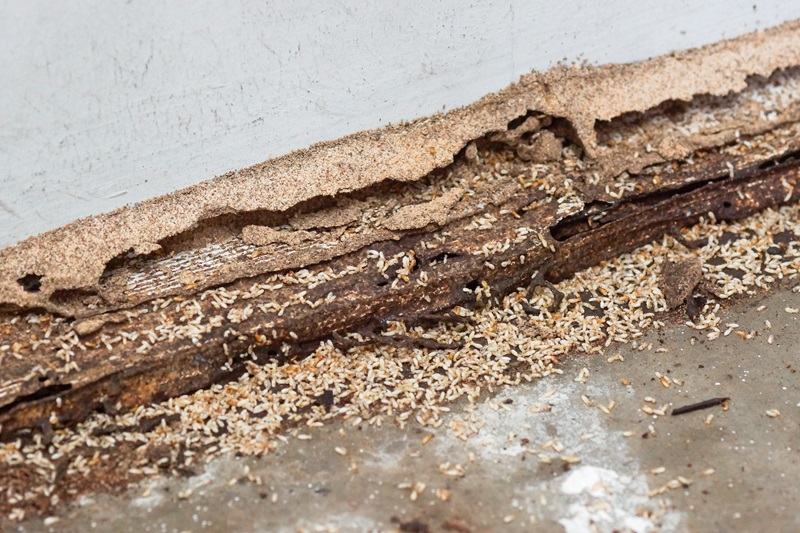
- Building materials: Certain woods are more susceptible to termite damage, while others can hold onto odor or be prone to cracking and leaving entry points for various pests. Choosing quality building materials from the beginning can reduce issues down the line.
- Landscaping: The landscaping around the building is just as important as the building itself. Keep shrubbery and dense greenery away from the perimeter to avoid attracting ants, mosquitos, and rodents. Adding a barrier of gravel or crushed stone can also make it more difficult for pests to find their way inside.
- Protective barriers: Finishing touches are essential when it comes to keeping pests out. Sealing windows and doors, adding sweeps under doors, and including mesh on pipes and vents that lead outside can make a big difference.
- Thoughtful roofing, eaves, and overhang design: Birds are always looking for suitable places to perch and nest, so the fewer covered areas, the better. Rooves should also be sloped to ensure standing water doesn't collect and become a breeding ground for pests.
Want to learn more about how to keep wildlife out of your business? Find out how Terminix can help with exclusion services.
The Importance of Collaboration
Architects and builders have a lot to consider as they create their plans and complete construction, so it's important that they collaborate with pest control experts to gain an understanding of their role in pest prevention and exclusion. Learning about the more prevalent pests in the area and the top concerns for specific industries can inform some of the decisions they make regarding layout, materials used, and the landscaping around the building.
Making pest‐proofing a priority from the very beginning is a smart way to future‐proof your business. Any pest expert will tell you that prevention is an investment that will pay off ten‐fold. From paying for pest control services to lost revenue due to shutdowns to the impact of a damaged reputation, the costs of a pest infestation can add up in a range of ways that can all be greatly reduced or avoided altogether with a well‐thought out strategy.
Don't make pest prevention an afterthought. Make it part of the criteria as you build or choose a building for your business.
Interested in finding out how Terminix can help with all things pest control? Call us at (855) 575-2082 to start the conversation.