Ticks
The difference between deer ticks and wood ticks
Learn to spot the differences between deer ticks and wood ticks, and why these matter.
You may think a tick is just a tick, but did you know that the type of tick you encounter can make a big difference? Deer ticks and wood ticks are often mistaken for one another, yet they differ in appearance, behavior, and the diseases they can carry. Knowing how to distinguish between these two ticks can help protect you from serious health risks.
Jump to section:
Deer tick vs. wood tick appearance

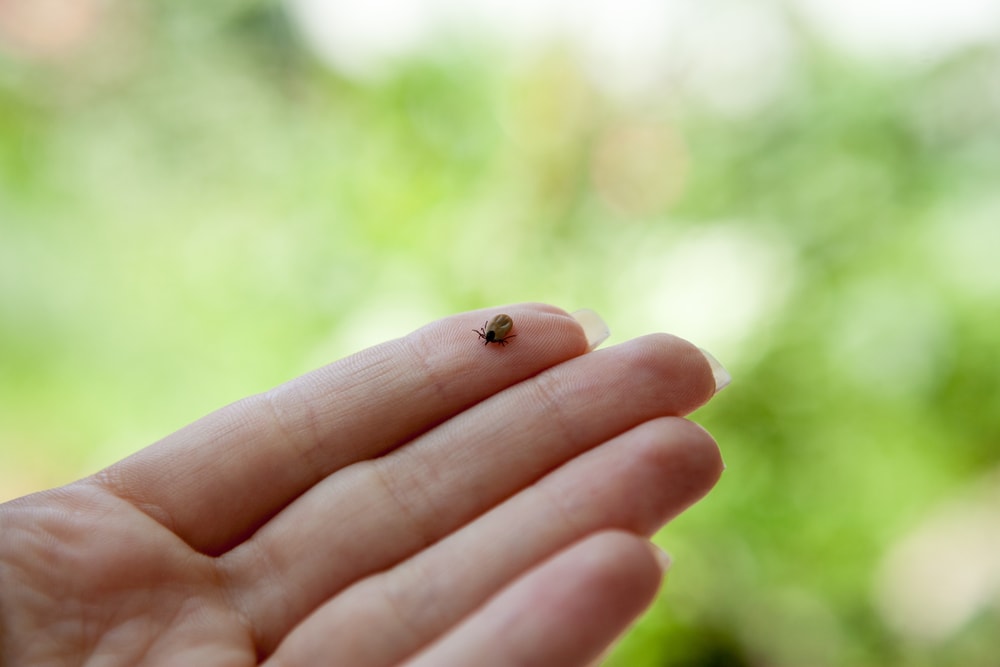
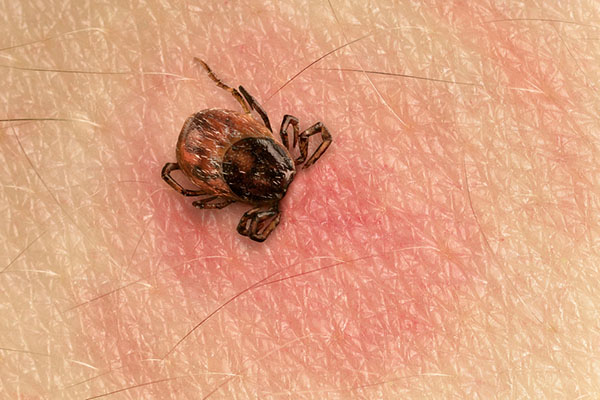
Ticks are small, making it tricky to tell deer ticks and wood ticks apart at first glance, but they are not the same species. Deer ticks, also known as black-legged ticks, are smaller and have a reddish-brown lower back with a darker head. Male deer ticks are even smaller and uniformly darker, lacking the red markings seen on females.
Wood ticks, often called American dog ticks, are larger and have a black lower back with white or grayish patterns. Male wood ticks feature a mottled appearance with gray or whitish markings. These distinct differences in size, color, and patterns make it possible to differentiate between the two species.
Habitats
Deer ticks are mostly found in the northeastern, mid-Atlantic, and north-central regions of the United States. They thrive in wooded, shady areas where hosts like deer and rodents are abundant.
Wood ticks inhabit most states east of the Rocky Mountains and certain areas along the Pacific Coast, including parts of California, Idaho, and Washington. They prefer grassy fields, wooded paths, and areas near water sources where animals gather.
By knowing the environments these ticks thrive in, you can take proactive steps to reduce the risk of tick encounters and the potential transmission of tick-borne diseases.
Seasonal behavior and activity
The activity of deer ticks and wood ticks varies throughout the year, with each species peaking during specific seasons. Understanding when these ticks are most active can help you take the right precautions to avoid tick bites and reduce the risk of tick-borne diseases.
Deer ticks
These ticks exhibit varied activity levels throughout the year, depending on their life stage. While larvae and nymphs are active in warmer months, adults prefer cooler weather.
Larvae and nymphs are most active during the spring and summer months when they seek small hosts like rodents for their blood meals.
Adults are highly active in the cooler months of spring and fall, targeting larger hosts like deer, pets, and humans.
Wood ticks
Wood ticks are most active in warm, humid conditions, making their activity predictable during certain times of the year.
Adults reach peak activity from spring through early summer, with heightened activity in warmer months, particularly April to September.
These ticks thrive in warm temperatures and humid conditions, making them especially active from June through August.
Diseases that deer and wood ticks can carry
Deer ticks are the primary vectors of Lyme disease. Symptoms often include a bull’s-eye rash, flu-like symptoms, fever, and aches. The prevalence of Lyme disease in deer tick populations varies by region. According to NPR, in the Upper Midwest and Northeast, approximately 50% of deer ticks carry the disease, while in the South and West, about 10% are carriers. In addition to Lyme disease, other serious deer tick diseases include babesiosis, anaplasmosis, and Powassan virus disease.
Wood ticks do not transmit Lyme disease. However, they are primary vectors for Rocky Mountain spotted fever, which has symptoms including fever, a spotty rash appearing two to five days after fever onset, nausea, and body aches. Wood ticks can also transmit tularemia, a bacterial infection that causes symptoms like skin ulcers, swollen lymph nodes, fever, and fatigue.
It's crucial to check yourself for ticks after spending time in wooded or grassy areas to reduce the risk of tick bites and potential disease transmission. If you develop symptoms associated with these diseases, especially following a tick bite, seek prompt medical attention.
Deer and wood tick prevention
Preventing tick encounters is essential to protect your family and pets from tick-borne diseases. Here are some effective strategies:
Avoid tick habitats: Stay on cleared paths and avoid tall grass, dense vegetation, and wooded areas where ticks are likely to be found, especially during peak seasons.
Wear protective clothing: When outdoors, it’s best to keep exposed skin to a minimum by wearing long pants, long sleeves, close-toed shoes, and tucking pant legs into your socks or shoes.
Use tick repellents: Apply EPA-registered tick repellents containing DEET, permethrin, or picaridin to deter ticks. These products are available in sprays for clothing and skin.
Perform regular tick checks: After spending time outdoors, thoroughly inspect yourself, your loved ones, and your pets for ticks. Early removal reduces the risk of disease transmission.
Maintain your yard: Keep grass short, remove leaf litter, and trim overgrown shrubs to reduce tick habitats around your home.
Implementing these preventative measures, along with professional assistance, can significantly reduce the risk of tick encounters and the potential health issues they may cause. For comprehensive protection, consider professional tick control services. Terminix offers specialized treatments to target tick populations effectively. By combining regular inspections, targeted treatments, and expert advice, Terminix can help create a safer environment for you and your home.