Education
How dangerous are opossums?
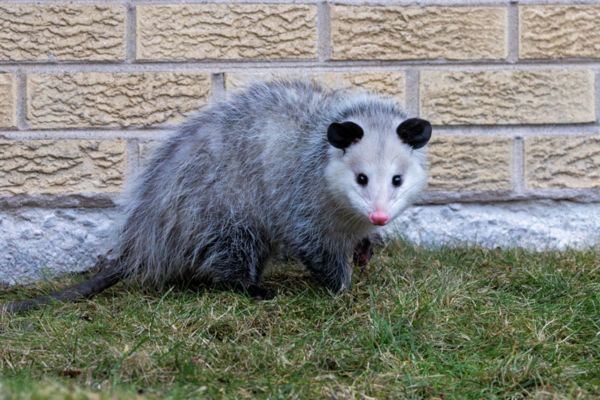
The Virginia Opossum, also known as the possum, is a common wildlife animal found in many parts of the United States. They are typically recognized by their pointed snouts, large ears, and distinctive naked tails. These nocturnal creatures are often seen rummaging through gardens and trash cans, leading many homeowners to wonder about their potential dangers. While opossums may appear somewhat intimidating, they are generally not aggressive and play a crucial role in our ecosystem. So, are opossums dangerous? Learn everything you need to know about these pests and when it's time for professional wildlife control.
Do opossums bite?
Generally, opossums tend to avoid confrontation but may hiss or growl to deter predators. When it comes to biting, opossums only bite if they are cornered or feel extremely threatened. They usually prefer to flee or play dead rather than engage. While opossums might bite if handled or provoked, attacks on people or pets are rare.
Do opossums carry rabies or other diseases?
Contrary to popular belief, opossums are not known to carry rabies. Their low body temperature makes it difficult for the virus to survive, and cases of opossums having rabies are extremely rare. Opossums can carry diseases like leptospirosis, tuberculosis, relapsing fever, spotted fever, toxoplasmosis, coccidiosis, trichomonas’s and Chagas disease.1 They can also carry parasites like fleas, ticks, and mites – which can easily spread to human hosts and pets.
Do opossums attack pets?
Possums are not dangerous, as these passive animals tend to shy away from confrontation. When faced with a predator or another animal, they often “play dead” as a defense mechanism. This means your pets are most likely safe from any dangerous behavior from a possum. In fact, dogs are more likely to injure or kill an opossum than the other way around.2 As for cats, while they may sometimes kill younger, rat-sized opossums, adult opossums, and cats often show mutual respect towards each other.

Other pros and cons of opossums
As a homeowner, you may see opossums as unwanted pests, but they can also be helpful critters. Having opossums around can be beneficial because they are known to eat harmful insects and annoying pests such as cockroaches, rats, and snakes. A single opossum can consume up to 5,000 ticks a year.3 They also help control the population of other pests, acting as natural pest controllers in your garden.
While possums are not typically dangerous, when they enter your home, they can cause unsafe conditions. They may try to nest in attics, garages, or basements, leading to potential damage. Opossums can scratch and chew through insulation, wiring, and other materials in your home. They can also leave behind droppings, which can create unsanitary conditions. If they die in your home, the resulting odors can be unpleasant and difficult to eliminate.
What to do if you find an opossum in your home
Despite opossums not being dangerous, finding one of these critters in your home can be an unsettling experience. Familiarizing yourself with their behavior and common signs of their presence will help you assess the situation more effectively. Nesting materials, droppings, and unpleasant odors can all be signs of a possum problem.
If you find yourself dealing with opossums, don’t hesitate to call in a professional. At Terminix, our technicians can help remove opossums from your home and prevent them from coming back. Contact Terminix today for a free inspection and get wildlife control you can count on from our expert technicians.
1University of California Agriculture and Natural Resources Integrated Pest Management Program - Opossum
2Opossum Society of the United States (OSUS).
3National Wildlife Federation - Opossums: Unsung Heroes in the Fight Against Ticks and Lyme Disease