DIY
How to look for signs of bed bugs in hotels
When traveling, it's important to be aware of the signs of bed bugs in a hotel, as these tiny pests can disrupt your stay and even follow you home if you're not cautious. Travelers often encounter hotel bed bugs, which can hitchhike on luggage and clothing, infesting homes after a trip. Generally, the risk of encountering hotel bed bugs is low, but it's not zero.
When traveling, it's important to be aware of the signs of bed bugs in a hotel, as these tiny pests can disrupt your stay and even follow you home if you're not cautious. Travelers often encounter hotel bed bugs, which can hitchhike on luggage and clothing, infesting homes after a trip. Generally, the risk of encountering hotel bed bugs is low, but it's not zero.
These nocturnal insects feed on human blood and can hide in tiny crevices, making them difficult to detect. By being vigilant and knowing how to check for bed bugs in a hotel room, you can minimize the risk of encountering these unwanted pests during your travels. Checking for signs of bed bugs in hotel rooms can also help you avoid future issues, like bringing them home with you.
Bed bug signs to look for
Before you get started, you need to know what you're looking for when checking for signs of bed bugs in a hotel. The following signs can help you determine if hotel bed bugs are present.
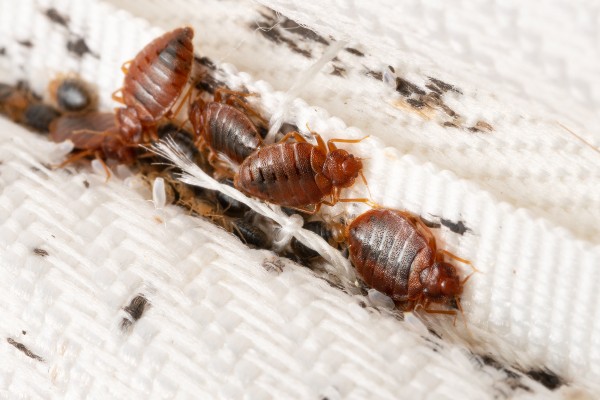
- You find dark spots or stains on the mattress seams, edges of the headboard, bedding, or nearby furniture. These spots could be bed bug fecal matter or blood stains from crushed bed bugs.
- Blood smears are found on bedding or nearby surfaces. This may indicate that bed bugs have been feeding on a previous occupant.
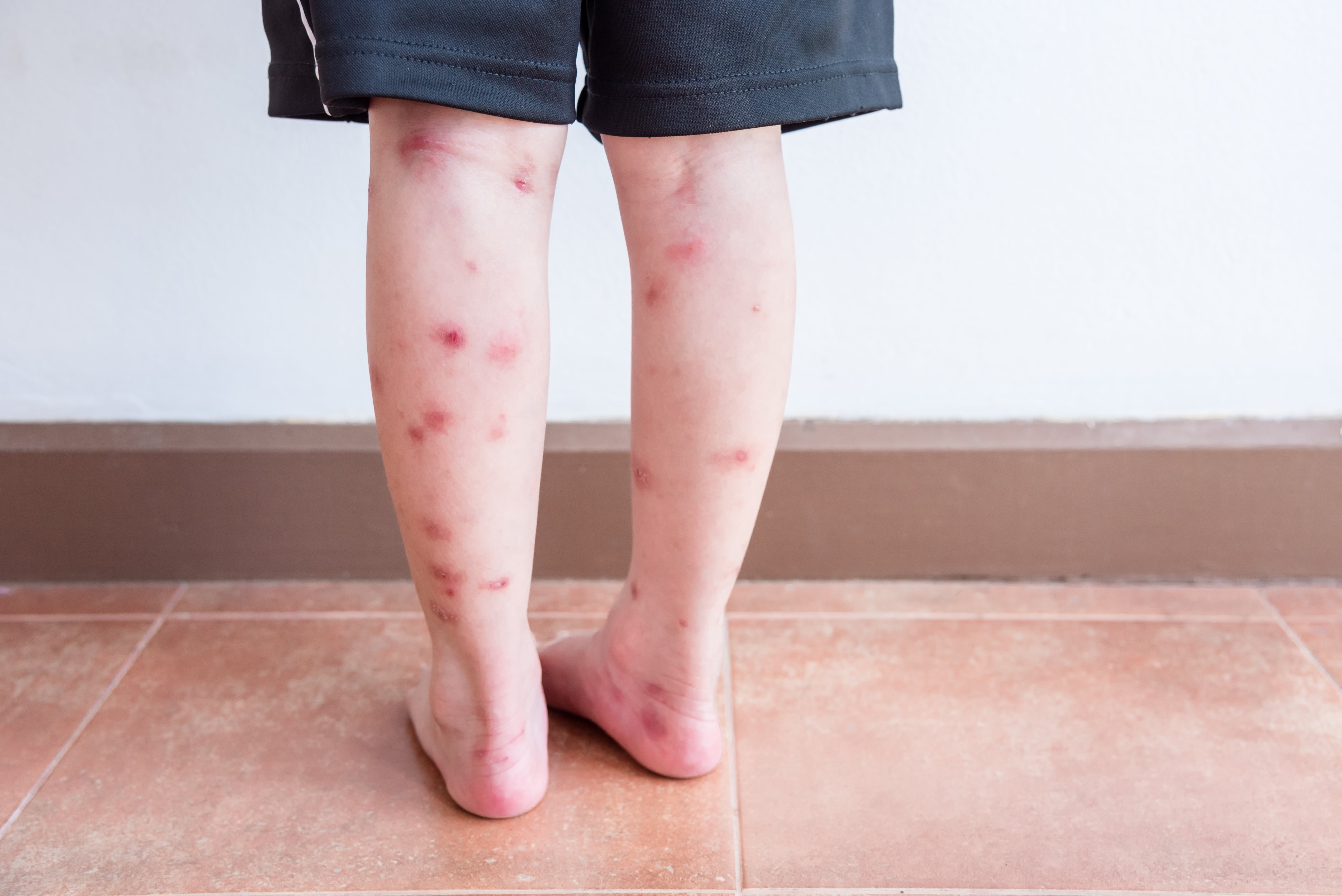
- Unexplained visible bites are found on your body after an overnight stay. Not everyone reacts to bed bug bites, but some develop red, itchy welts. Bites can take up to eight or twelve hours to develop into visible welts.
- You discover bed bug exoskeletons/cast skins. Bed bugs shed their exoskeletons during their growth process. The exoskeletons look like empty, yellow shells scattered near their hiding spots. Look around the foot of the bed, bedframe legs, and behind the nightstand where the carpet meets the wall.
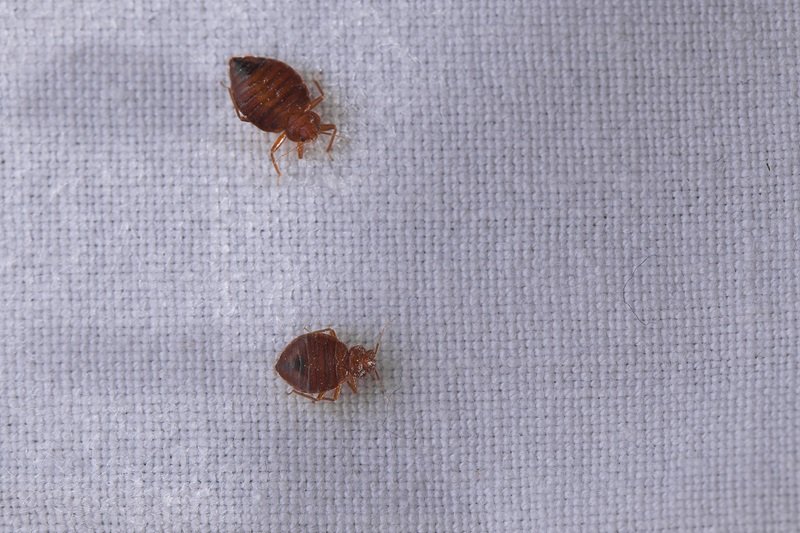
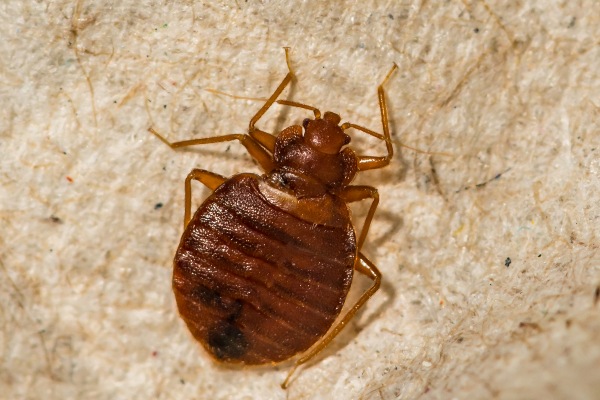
- Lastly, if you see bed bugs, more are probably hiding. Bed bugs are small, reddish‐brown insects that are about the size of an apple seed when fully grown. Bed bugs can be seen by the naked eye but can be challenging to detect due to how well they hide.
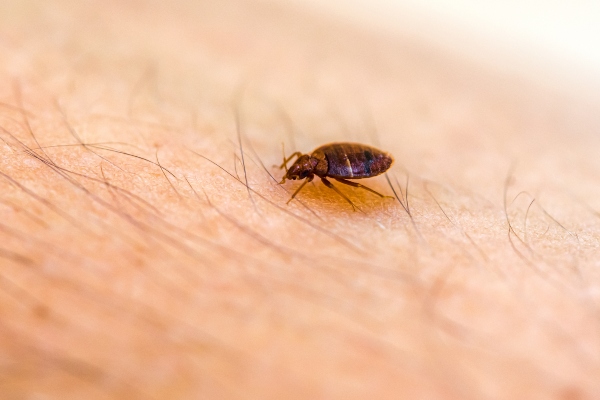
When conducting an inspection, be thorough and check all potential hiding spots for signs of bed bugs.
Steps for a thorough hotel bed bug inspection
If you're concerned about these pests, you should know where and how to check for bed bugs in a hotel room. If you notice any sign of bed bugs, report them to the front desk immediately. The hotel should move you to a new room. If you're concerned about your luggage, ask the hotel staff for plastic bags to contain contaminated items until a professional arrives. The following tips can help you learn how to inspect for bed bugs in a hotel room.
Wait to unpack
You should not place your bags on the luggage rack after entering the room. Luggage racks are a common spot for bed bugs to hide. Instead, keep your belongings in the bathroom and inside your luggage. Acrylic bathroom appliances like the bathtub are too slick for hotel bed bugs to crawl on. It is also recommended not to use the provided drawers or closets in a hotel. Try to keep your items in a suitcase when possible. Hard‐shell suitcases are easier to inspect, and it is less likely that bed bugs can find harborage on them. They're also much easier to clean than soft‐sided suitcases.
Look at the mattress and around the bed
After placing your luggage on a hard surface in the bathroom, immediately begin checking for signs of bed bugs in your hotel room. Carefully check the mattress seams, headboard, and nearby furniture for signs of bed bugs, as these are common areas of infestation. Look for dark spots, stains, shed skins, or live bugs. Remember that bed bugs prefer quiet, dark places, which means any crevices in the mattress could be suitable hiding spots.
Check the walls and ceilings
Bed bugs are most commonly found in and around the bed area but can infest other parts of the room, too. Hotel bed bugs can be found on walls or ceilings behind wallpaper, picture frames, electrical outlets, and baseboards. Additionally, bed bugs may travel along walls and ceilings to move between rooms or find new hiding spots.
Inspect furniture
When checking other furniture for signs of bed bugs in a hotel room, a flashlight can help illuminate dark areas and allow you to see into crevices where bed bugs may hide. Inspect any seams, folds, or crevices on the front and back of chairs, couches, pillows, and cushions. You'll also want to check the joints, cracks, and crevices of desks, nightstands, and dressers.
Separate your clothes
A University of Sheffield study found that hotel bed bugs were twice as likely to be attracted to dirty clothes than clean clothes. This may be due to the residual odors on the clothes that mimic the smell of a food source. Bag dirty laundry and keep it separate from clean clothes. Keeping bagged clothes in a bathtub can be helpful if you suspect an infestation. This can help trap the bed bugs and prevent them from spreading to other areas in the room.
Practice at‐home procedures
When you return home, inspect your luggage in a well‐lit area. Remove all items from your luggage and examine the exterior for signs of bed bugs. You'll want to pay attention to the seams, pockets, and zippers.
Before washing your clothes, place them in the dryer on high for 30 minutes to kill any potential bed bugs. After that wash all clothing, linens, and fabric items from your trip in hot water and dry them on high heat. Clothes that cannot be washed or dried at home can be dry cleaned as dry cleaning will kill these pests. For future travel, consider using bed bug‐proof bags to store your luggage when not in use. These can help prevent bed bugs from accessing your luggage and infesting it.

Staying at large brand hotels with dedicated pest prevention programs reduces the risk of encountering bed bugs. Before a trip, you can contact the hotel to inquire about their bed bug program, and reading online reviews can also provide insights into any past bed bug issues the hotel may have had.
Not everyone knows how to check for bed bugs in a hotel. Being aware of the signs of bed bugs in a hotel is key, as these pests can easily latch onto your belongings and follow you home unnoticed. As a best practice, you should seek immediate professional help for bed bug infestations. By scheduling an appointment with Terminix®, our trained technicians can help to treat affected areas. Additionally, we can help to inspect other areas of your home where bed bugs may have moved.