Commercial
What You Need to Know About Stinging Insects
Part of the scientific order Hymenoptera, stinging insects like bees, hornets, and wasps are some of most common types of insects in the world. With large populations and a diversity of species, it's likely that you'll have to deal with them around your business especially if have outdoor areas like a patio, a pool or a courtyard. The key is to know how to tell different types of stinging insects apart so you can take steps to keep their populations down and protect your employees and the public. Here are some of the most common stinging insects and what you need to know about them.
Types of Stinging Insects
While there are many species within these categories, the three main types of stinging insects that you might come into contact with are wasps, bees and hornets. From their physical characteristics to their nesting and stinging habits, here's how to identify these ubiquitous stinging insects.
Wasps
The two most common types of wasps are yellow jackets and paper wasps. The most obvious sign of a nearby infestation is an increased number of wasps flying around. Colonies reach peak numbers around late summer to early fall with populations dying off over the winter.
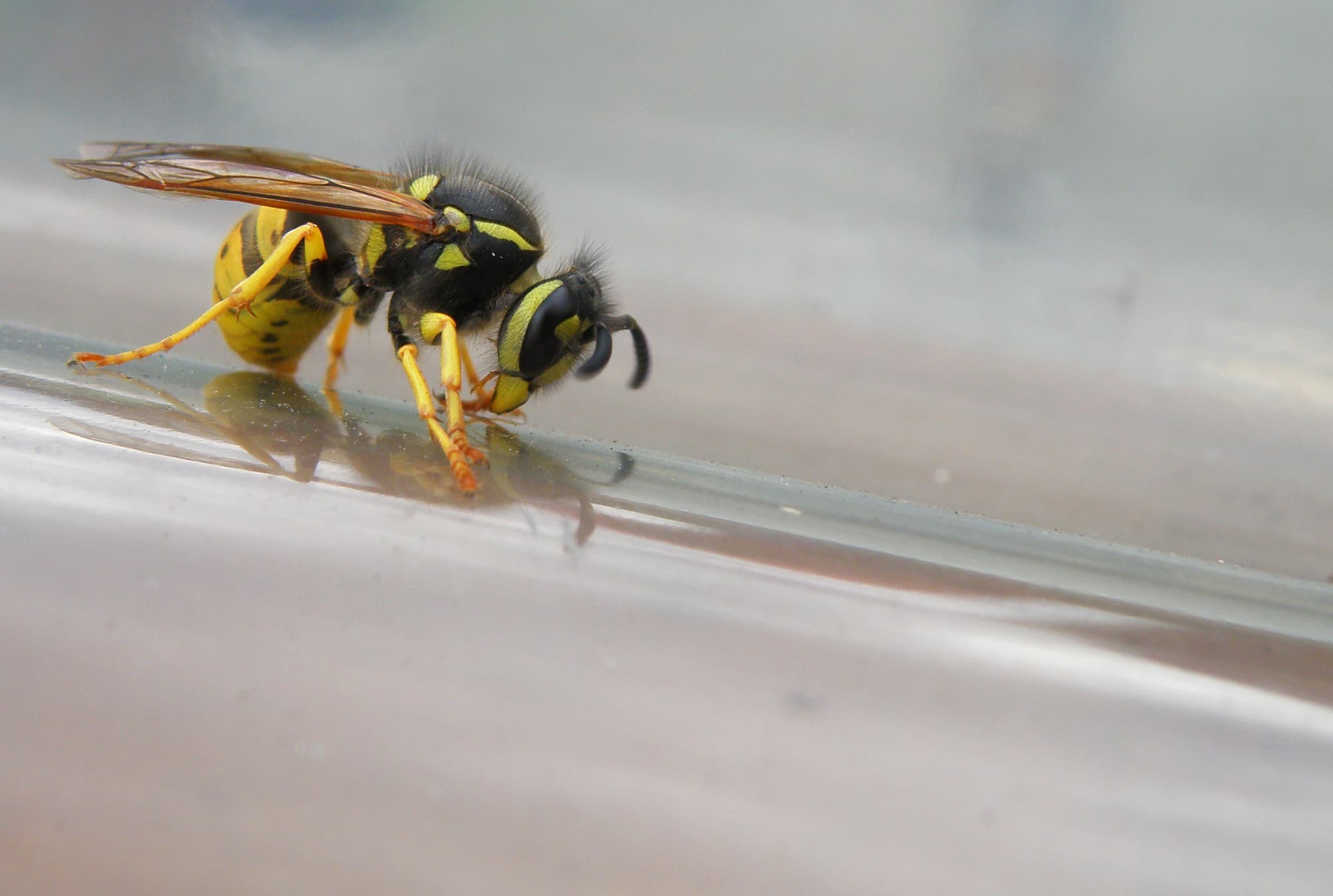
- Appearance: Yellow jackets and paper wasps look similar at first glance, but there are a few key differences that can help you tell them apart. Yellow jackets have small, plump bodies with a more yellow dominant coloring. Paper wasps are larger with a long slender body.
- Diet: Both types of wasps are attracted to sweet substances like nectar, fruit juices, or honey dew from plants. They are also carnivores that prey on other insects.
- Stings: Paper wasps are most likely to sting when they feel like their colony is being threatened. Yellow jackets can be even more territorial and are much more aggressive, sometimes even stinging unprovoked.
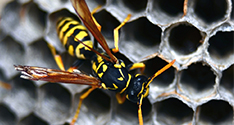
- Nests: Both German yellow jackets and paper wasps have paper nests, made of the same material. The hexagonal "honey comb" (these never have honey) shape to the nest is in both nests. In a yellow jacket nest, they stack these structures on top of each other and the entire nest is encased to look like a paper ball (volley ball sized). The image on the top of the article is a yellow jacket nest. This structure is in tact whether above or below ground.
>>RELATED ARTICLE:How to Identify a Wasp Nest Outside Your Business
Bees
There are a few different types of bees to be aware of: bumblebees and honeybees. Both are hardworking pollinators that are beneficial to crops and vegetation. They aren't interested in humans and spend all their time searching for and transporting pollen.
- Appearance: Western honeybees, many of which are imported to North America to pollinate agricultural crops, are golden brown with black abdominal stripes. Bumblebees are a bit larger with a black body and dense yellow and black hair.
- Diet: Both types of bees feed on nectar and pollen collected by foragers. Occasionally, they will eat over-ripe fruit or the sweet secretions of other insects, such as aphid honeydew.
- Stings: Although both bumblebees and honeybees are capable of stinging, they rarely do. Honeybees have a barbed stinger that is attached to their abdomen and digestive tract which means stinging will literally kill them. Bumblebees are capable of stinging multiple times, but rarely do unless they are aggressively provoked.
- Hives: Bees form colonies around a queen and will build hexagonal cells out of a waxy substance they produce themselves. Combs are often found in hollowed out trees. They might also take advantage of something like a crack in an exterior wall and fit their hive to any void they find.
Hornets
A “hornet" is actually the largest type of wasp. Worldwide, there are about 20 different species of hornets. The two most common in the U.S. are the European hornet and the Bald-faced hornet. They are also considered “social" insects, which means hive labor is divided and the hive depends on each other for survival.
- Appearance: Hornets tend to be reddish-brown heads and thoraxes with abdomens that are golden in color with dark brown stripes. Although they are in the same family as yellow jackets, hornets have a thicker body.
- Diet: Most hornets are carnivorous and will feed on other insects like crickets, grasshoppers, wasps, and flies. They will also eat meat they find in the garbage or dead animals in the wild.
- Stings: Unlike honeybees which can only sting once, a hornet's stinger has no barb so they're capable of stinging over and over again. Bald-faced hornets are similar to yellow jackets in that they can be highly aggressive and will sting unprovoked. Their sting contains venom so they can cause pain and swelling or worse in people who are allergic to them.
- Nests: Hornets nests are made out of paper-like pulp made out of wood and saliva. Typically, they have a teardrop shape and the nest is pointed on the bottom end like a football. Bald-faced hornets tend to build their nests in trees and shrubs, while European hornets like to find a place protected from the sun and rain. Generally, you'll find their nests on places like tree branches and shrubs, under the siding of houses or in attics or crawl spaces.
Getting rid of stinging insects requires a delicate approach. Leave it to experts to do it right. Learn more about ourpest control services.
Pest Control for Stinging Insects
It may be tempting to try to take matters into your own hands, but the first thing you should do if you spot a wasp nest or bee hive is steer clear of it and call in the experts. Not only do we have experience identifying different types of stinging insects, but we know how to approach each situation safely and effectively.
Not only can we help get rid of an existing nest, but we can do a thorough inspection of your business to ensure there are no other nests nearby. We can also provide tips and guidance on business compliance requirements for pest control and what to watch out for to ensure wasps or hornets don't come back next year.
If you want to learn more about bees and other stinging insects, we're always here to help—get in touch with us to schedule an inspection or get a free quote.