Commercial
Common types of bats at your business
Although not the most common guests, bats can sometimes find their way into urban and suburban areas, searching for food and shelter. Businesses may attract them because of the presence of insects around outdoor lights or the warmth and seclusion of attics and unused structures. Identifying the types of bats present is the first step in addressing any potential issues they may cause.
Identifying common types of bats at a business
Business owners should be familiar with a few common types of bats that are most likely to be found in and around business premises, such as big brown bats, little brown bats, and Mexican free-tailed bats.
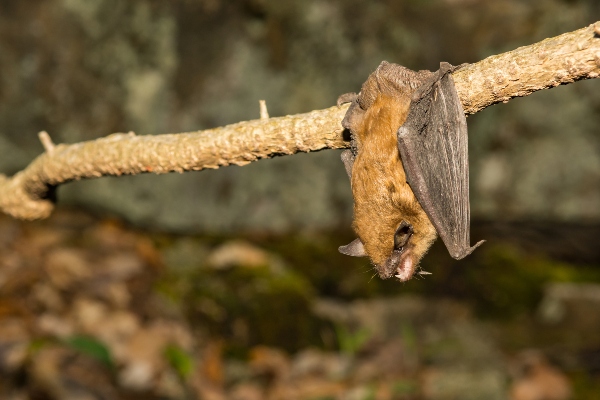
Big brown bats
Easily recognizable, big brown bats have a wingspan of 13 to 16 inches and feature glossy brown fur. They are often found in man-made structures, making them a common visitor to businesses. This species can fly up to 100 mph. Additionally, they play a crucial role in ecosystems by consuming vast quantities of insects, including beetles, stink bugs, and moths.
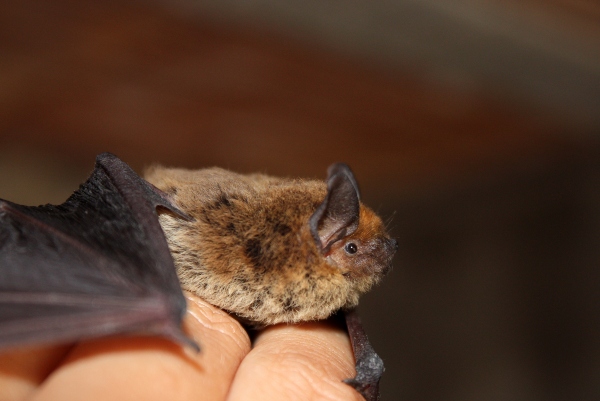
Little brown bats
These small bats not only have a wingspan of eight to 10 inches but also feature fur that ranges in color from dark brown to golden brown, with lighter shades on their underbellies. They have relatively large ears for their size, which aids in their echolocation abilities to navigate and hunt for insects at night. During the day, they prefer to roost in dark, secluded areas within their chosen structures, coming out only when it's time to feed. In colder months, they may migrate to warmer regions or hibernate within their roosts to survive the winter.
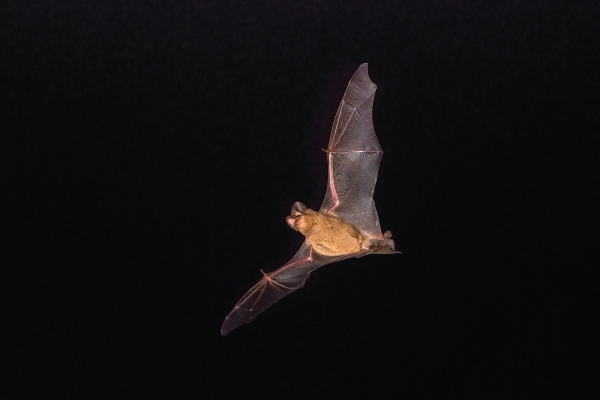
Mexican free-tailed bats
Mexican free-tailed bats, also known as Brazilian free-tailed bats, have tails extending beyond the tail membrane, a distinctive feature contributing to their name. They are relatively small and distinguished by their long, narrow wings. These bats can fly up to 50-150 miles in a day in search of food and eat up to ⅓ of their body weight. They prefer roosting in large groups, often selecting artificial structures such as buildings and bridges as their habitats.
Potential business liabilities with bats
While bats are beneficial for the environment, their presence can pose several liabilities for businesses. Bats can cause structural damage, leave behind droppings or guano that pose health risks, and their presence can be unsettling for employees and customers. Specific laws also protect bats, making it illegal to harm or disturb them without proper permits, adding a layer of complexity to bat management.
The importance of bat control services
Given the potential health and safety liabilities and the legal considerations of dealing with different types of bats, business owners need to consider professional bat control services. Professional bat control professionals can safely and humanely remove bats from your business, identify and seal entry points to prevent future access and ensure compliance with wildlife protection laws. Effective bat control is not only about removing current inhabitants but also about preventing future infestations, thereby safeguarding your business, employees, and customers.
Terminix manages bats at your business
Our experienced Technicians use a four-step process to address any bat problems plaguing your business. First, a thorough inspection will determine the type of bats and their activity and identify potential entry points. Next, technicians will humanely evict the bats and seal all openings to prevent future invasions. If necessary, any bat guano (droppings) will be thoroughly cleaned to eliminate health risks. Optional annual monitoring services are also available if needed. If bats are causing a disturbance to your business, contact Terminix today for a free quote on our bat pest control services.