Commercial
Signs of Stored Product Pests
Stored product pests are small insects that feed on grains and dried goods. For food processing facilities and warehouses that are managing large quantities of these products, a stored product pest infestation can spread rapidly, ultimately destroying inventory. In addition, a stored product pest infestation can lead to health inspection violations and possible shutdowns, which will impact long-term business.
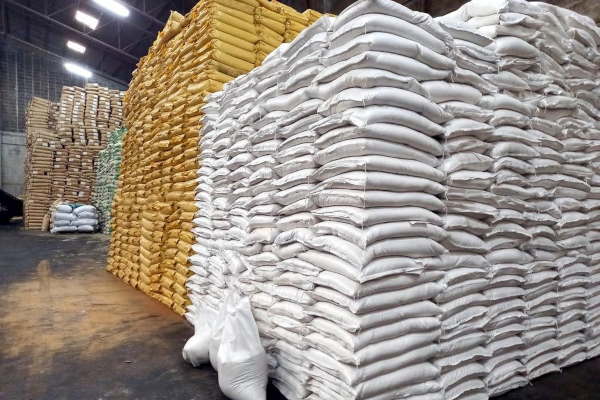
Since they can do a lot of damage before you become aware of their presence, it's important to have protocols in place to not only detect the signs of stored product pests but also prevent them in the first place. Start by learning more about stored product pests and how to identify them.
Identifying Stored Product Pests
A stored product pest is a category of insects that includes a wide variety of beetles, weevils, and moths. They feed on a range of dried goods like grains, cereals, nuts and seeds, spices, and processed items like dry pasta and pet food. Stored product pests are small and discreet and can go undetected as they feed and reproduce, leaving destroyed inventory in their wake.
There are two main categories of stored product pests: internal feeders and external feeders. Here are some of the most prevalent stored product pests to be aware of:
External Feeders
External feeders feed on the outside of grains, grain dust, and cracked kernels without entering the kernel. The most common external feeders include:
- Indian meal moths: Adults have a wingspan of about ¾ of an inch with bicolored wings ranging from cream to coppery brown. They are attracted to dried fruit, grains, seeds, nuts, chocolate, powdered milk, and dog food. They'll leave silky cocoons, webbing, and shed skins, further contaminating inventory. Seeing mature larvae wandering around on surfaces is a tell-tale sign there is an infestation nearby.
- Flour beetles: Less than 1/8 of an inch long and red-brown in color, flour beetles, which include red and confused beetles, feed on finely milled starches. In addition to seeing beetles in and around inventory or noticing squiggly trails in flour accumulations, a sharp odor coming from flour or cereal may indicate an infestation. Some flour beetles can also fly, impacting how they should be monitored.
- Cigarette beetle: Up to 1/8 of an inch and tan to dark brown, a cigarette beetle feeds on tobacco, spices, seeds, drains, and even rice. They can penetrate packaging and be found wandering away from the original infested product.
- Drugstore beetle: Up to 1/8 of an inch and red-brown in color, they attack spices, seeds, grains, and packaging such as paper and cardboard, leaving pinhead holes in infested items.
- Red-legged ham beetle: Less than ¼ of an inch in length and known for their shiny metallic body and reddish legs. These beetles are drawn to grains, dried fruits, nuts, and chocolate. Seeing silky cocoons, webbing, and shed skins among contaminated inventory may indicate their presence while seeing mature larvae roaming surfaces serves as a clear indication of a nearby infestation.
Internal Feeders
Internal feeders destroy inventory from the inside out by laying eggs inside kernels of grains. As they develop, they hollow out the kernel, and the adults emerge to lay more eggs and spread to more inventory. Here are the most common internal feeders:
- Lesser grain borers: Less than 1/8 of an inch and dark reddish brown, lesser grain borers can be very destructive. They feed on nearly all grains, especially wheat, barley, and rice. They can be identified by the piles of grain dust and the sweet, musty odor they leave behind.
- Granary weevils: Up to ¼ of an inch and dark brown to black in color. Adult females drill a tiny hole in a grain, deposit their egg inside, and plug the hole up. As the egg hatches and the weevil develops, it destroys the grain from the inside out.
- Rice weevil: Up to 1/8 of an inch and brown-black with a long, slender snout. Like granary weevils, females deposit an egg into a grain kernel where the larvae hatch and feed before emerging as adults to breed and repeat the process.
Need help with a plan for managing your stored product pest risk? Get pest control for your food processing or warehouse business.
Inspecting for Signs of Stored Product Pest Damage
Part of stored product pest prevention and early detection is regular inspections to check for signs that pests are present. Both scheduled inspections and day-to-day monitoring should be part of a well-rounded approach to food processing, food storage warehousing, and food manufacturing pest control.
Make sure your staff is well-trained to spot these tell-tale signs that stored product pests are lurking in your inventory:
- Holes or tears in packaging
- Live or dead insects in and around product, including larvae and pupae
- Webbing, silk threads on the inside of packaging or throughout the product
- Shed skins or exoskeletons in or around product
- Unusual odors
- Excess grain dust left behind
Integrated Pest Management Strategies
Integrated pest management (IPM) is a pest prevention approach that uses pesticides as sparingly as possible. For food processing and warehousing facilities, food safety is essential, so an IPM strategy is ideal for dealing with stored product pests and beyond.
With extensive knowledge of food safety regulations and local health codes, the experts at Terminix can develop an IPM plan designed specifically for your business. That includes inspections, analysis of any pests found and an investigation into the origin of the infestation, ongoing treatment, and education for staff on how to prevent future infestations. With an effective IPM plan in place, your business can reduce your stored product pest risk and minimize the damage these pests can cause.
Interested in working with Terminix on a stored product pest control strategy? Call us at 855.485.6300 to start the conversation.