Commercial
Stay Audit-Ready in the Food Processing Sector: A Guide to Regulatory Compliance and Rodent Control
All businesses in the food processing industry have a strict set of standards to adhere to, largely because maintaining optimal food safety within the supply chain is essential for public health. If certain standards aren't maintained, a facility can be fined or may even be forced to shut down.
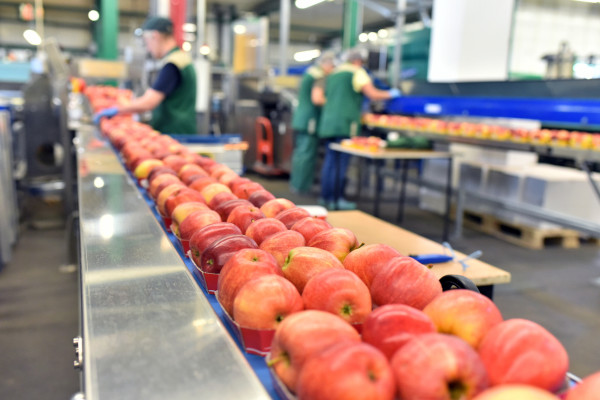
Food processing facilities are subject to regular audits and inspections to catch any issues early and ensure facilities are following guidelines. Checking for signs of common pests like cockroaches, stored product pests, and rodents is a large part of a routine inspection. Here's what to expect during an inspection—and how to ensure your food processing facility is always prepared.
Understanding Regulatory Compliance
Regulatory compliance is an organization's adherence to laws, regulations, guidelines, and specifications set by local, national, and regional agencies in the food processing industry. Failing to meet these standards can lead to fines, shutdowns, and damage to your reputation, which can be financially devastating for a business.
Exact standards and best practices can shift over time and across agencies, so it's important to stay current on expectations so you can adjust accordingly. Common regulatory and agricultural standards we often encounter include:
- Good Manufacturing Practices, specifically FDA 21 CFR Part 110
- The U.S. Food and Drug Administration's Food Safety Modernization Act (FSMA)
- USDA organic food standards
- State or local public health departments
Pest Control Challenges in Food Processing Facilities
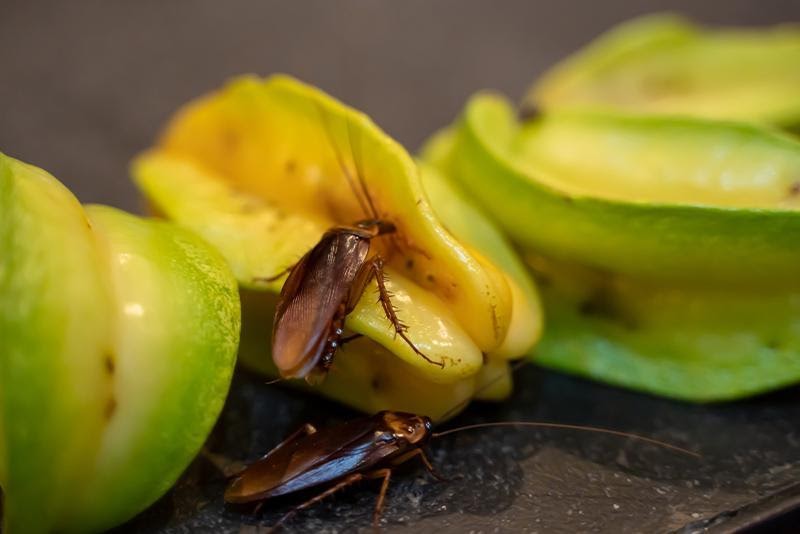
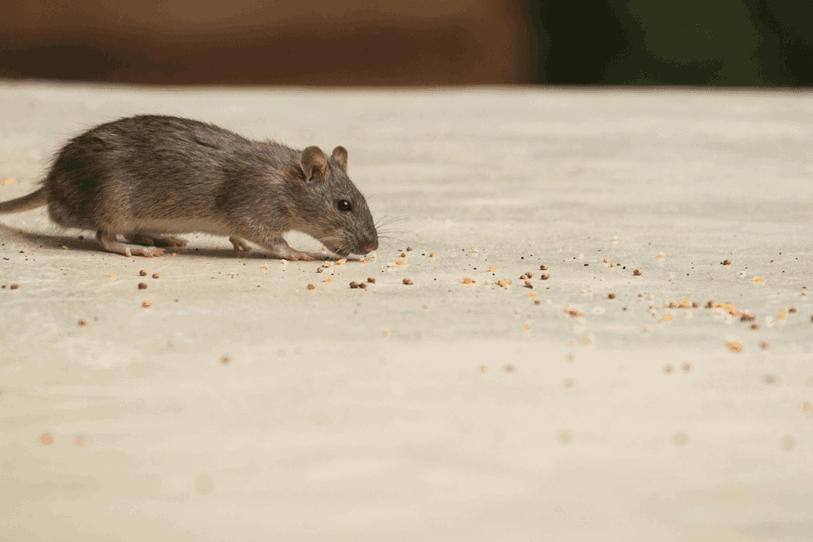
Food safety is paramount for any business across the supply chain, and pest control plays a large role. Pests like cockroaches, rodents, and stored product pests can carry bacteria and allergens which can contaminate and destroy thousands of dollars worth of inventory. If contaminated food ends up in stores or restaurants, it can lead to product recalls which impacts business and may even make people sick. Regulatory standards are strict to ensure food processing facilities do their part to keep the food supply clean and safe.
Food processing facilities face a few unique challenges when it comes to food safety and pest control, including:
- Food attracts a high volume of pests: Pests are driven by their instinct to survive and reproduce. If there is a reliable source of food, chances are pests will be nearby. The key is to implement protocols and prevention strategies to decrease their numbers and prevent full-on infestations.
- Sanitation: Maintaining daily cleaning requirements in a large facility full of specialized machinery is a full-time job. You need well-trained staff to do the work and people who will supervise and maintain the highest standards.
- Inventory coming and going: New deliveries are entering the facility daily and stored product pests can arrive with them. Regular and thorough inspections are necessary to catch a problem before it spreads.
- Large square footage: A warehouse or food processing facility has a lot of ground to cover when it comes to pest prevention, control, and inspections. Every corner and crevice has to be accounted for, so it takes thorough planning to keep up with the task.
While food safety is a large task, it's an important one. With a plan in place, it's possible for food processing facilities to tackle these challenges, maintain regulatory compliance standards, and pass audits with flying colors.
Preventative Steps Before an Audit
Whether an audit is two days or two months away, success depends on focusing on prevention and creating an established plan to deal with acute issues. This can include:
- Personnel training: Ensure staff members are well-versed in compliance requirements and are regularly updated on industry standards. They are your most important resource for day-to-day maintenance and catching potential warning signs of pests.
- Document review: Standards are constantly in flux, so it's important to be up-to-date with the latest guidelines. Conduct periodic reviews of all relevant documentation, including standard procedures and records of previous audits.
- Facility inspections: Proactively identify and address potential issues by routinely conducting comprehensive facility inspections yourself.
- Pest management: Implement a robust pest control plan, including addressing potential pest entry points, prioritizing preventive measures, and scheduling regular monitoring.
Collaborating with Terminix for Audit Preparedness
To meet the high standards anticipated from Food and Beverage processors Terminix utilizes an Integrated Pest Management (IPM) approach customized to tackle the specific challenges our partners may encounter. Our locally-based Technicians work closely with facility and plant managers to offer pest solutions and prevention methods to ensure your business always remains audit-ready. Pest control shouldn't exist in a silo, and we work with you to make sure it's integrated into your business practices seamlessly.
For food processing facilities, pest control is essential to maintaining their food safety culture and adhering to regulatory compliance standards. Food attracts a variety of pests, notably cockroaches, rodents, and stored product pests, all of which can lead to contaminated inventory and failed inspections. Given that audits may occur without notice, it's crucial to maintain compliance and readiness. With the help of Terminix, you can be confident that you'll pass your next audit without a hitch.
Ready to remain audit-ready with a tailored integrated pest management plan from Terminix? Call us at (855) 485-6300 to get started!