Commercial
The Importance of Pest Management for Food Safety in Food Retail
For retail businesses that sell and handle food, keeping pests away from the inventory is essential. Not only can pests impact revenue and reputation, but they can also be a huge problem for food safety compliance and threaten the health and safety of customers and staff.
If you own or manage a grocery store, convenience store, pet store, or other retail business that sells food, you know how hard a pest infestation can hit your business. That’s why it’s important to make prevention and pest control a priority.
An Integrated Pest Management (IPM) plan could be the long-term solution you’re looking for to not only eliminate pests but keep them out. Here’s what you need to know about IPM and how it can help your food retail business.
How Pests Threaten Food Safety
Securing their next meal is one of the top motivators for all types of pests. They will go where the food is and, in the process, contaminate stock and food storage areas. When food is involved, compliance is critical. No matter what type of pest, evidence of their presence can trigger fines with mandatory shutdowns required to fix the problem.
Pests that food retail businesses need to be vigilant about in order to protect their food safety standards include:
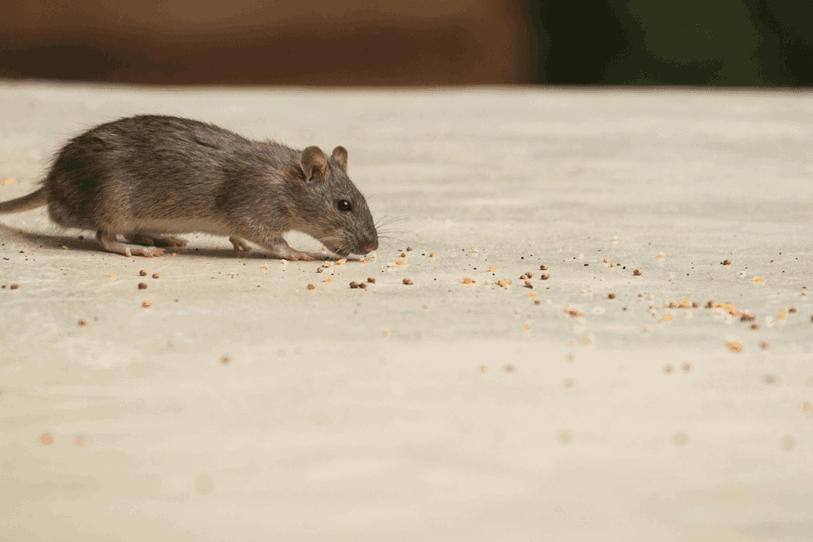
- Rodents: Rats and mice can carry disease and can wreak havoc on both fresh produce and packaged foods. Droppings can contaminate storage areas, equipment, and the inventory itself.
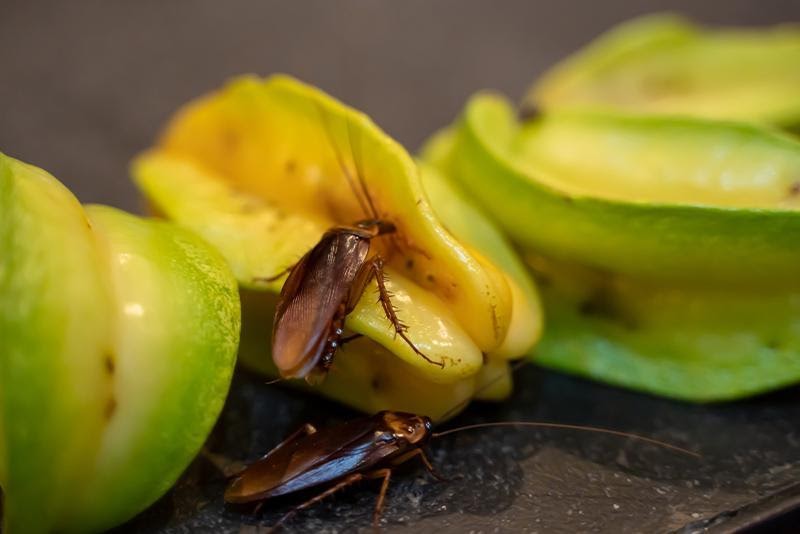
- Insects: The presence of ants, flies, or cockroaches can be a sign of unsanitary conditions. They can also carry and spread bacteria and pathogens that cause foodborne illnesses like E. coli and Salmonella.
- Stored product pests: Beetles, weevils, and moths often enter businesses through deliveries, and once inside, they can breed and spread through your entire inventory. They can leave behind larvae, eggs, and exoskeletons contaminating large quantities of food stock like grains, rice, nuts, and dried fruits.
What is Integrated Pest Management?
According to the United States Environmental Protection Agency, Integrated Pest Management (IPM) is an environmentally friendly, common sense approach to controlling pests that focuses on prevention and uses pesticides only as needed. This approach is ideal for pest control in the food industry because it ensures sensitive inventory is protected during the treatment process.
Organized properly, an Integrated Pest Management program in a food retail business can:
- Improve overall sanitation: With the focus on prevention, best practices for food storage and daily cleaning protocols can be put into place. We can also help train staff on how to do their part in recognizing and preventing infestations.
- Minimize pest-related food contamination: Fewer pests means fewer opportunities for contamination. An IPM plan aims to eliminate existing pest problems and then safeguard your business against future infestation.
- Reduce product shrink: If contaminated inventory is discovered, it must be disposed of. An IPM plan helps prevent infestations from taking hold, which means you’ll be able to protect and salvage more product.
- Enhance health department compliance: When it comes to food, inspectors have their eyes peeled for pests, signs of pests, and conditions that have the potential to attract pests. With IPM in place, you can help avoid food safety violations that have the potential to shut down your business.
- Decrease risk of property and structural damage: When pests go unchecked, and populations grow, they can do serious damage to more than just food inventories. An IPM plan covers best practices for regular maintenance to avoid costly and time-consuming repairs.
- Improve employee morale: Your employees don’t want to be dodging pests and customer complaints about pests. They’ll be a lot happier working for you if pest issues are kept under control.
How to Implement an Integrated Pest Management Plan
An IPM program is a partnership between your business and a professional pest control company like Terminix. It’s designed to provide maximum effectiveness with minimal treatments, which helps food retail businesses approach pest control in a way that is both thorough and discreet.
When you work with Terminix to implement an IPM plan, the process will look like this:
- A pest risk assessment: Our experts will inspect your property to see if there are any immediate pest treatment requirements and better understand your business needs.
- A customized IPM plan: Every business is different, so we’ll work with you to create a plan that makes sense for your needs.
- Staff training and awareness: We can offer guidance on how to involve your staff in pest prevention best practices, including how to recognize a pest infestation and what to do about it.
- Regular inspections and monitoring: Staying consistent is key to ongoing pest control. We’ll inspect for conditions that could attract pests and monitor for signs of pests.
The Future of Pest Management in Food Retail
As pest management and food retail businesses continue to evolve to adapt to new technologies and best practices, keeping an eye on the efficacy of your IPM is essential. Staying open to new strategies and making sure new staff are trained properly can go a long way in avoiding infestations. With a professional pest management provider like Terminix in your corner, you can be sure that your business will continue to meet industry standards no matter what the future of pest management holds.
If you want to ensure proper food safety, pest control can’t be an afterthought. The experts at Terminix can help you develop an Integrated Pest Management plan that makes sense for your food retail business.
Want to stop pests from impacting your business? Call us at 1.855.485.6300 for a pest control quote or to book a service.