Commercial
How to Keep Pests out of Schools and Colleges
During the school year, there are many people coming and going on campus, which means there are more opportunities for pests to enter the buildings. This may be unavoidable, but with the right prevention strategies and an ongoing maintenance plan, you can help reduce the risk of an infestation getting out of control.
Schools often prefer to schedule pest prevention treatments over long weekends and extended breaks from school. Timeframes like summer vacation or spring break are a great option because if an infestation is found, action can be taken immediately without worrying about classroom disruption. Any repairs and maintenance can also be scheduled and finished before the students return. While preventive treatments can help reduce the risk of pests on a school campus, it's also essential for school maintenance teams to know what types of pests to watch for and how to plan for pest management surprises throughout the school year.
Types of pests found in schools
Knowing what types of pests are common in schools is the first step to keeping up with prevention. While technically any pest is possible, the most common ones to watch out for are:
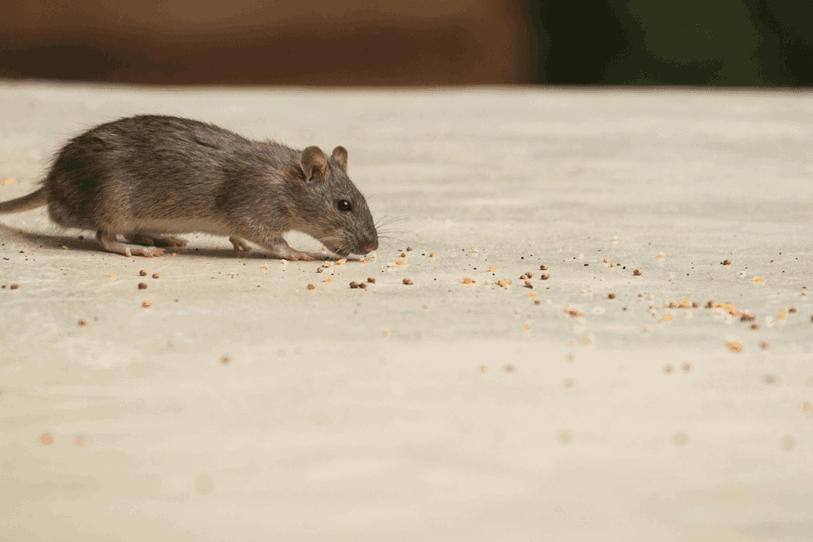
- Rodents:Mice and rats always seek shelter, food, and water—three things a school can provide.
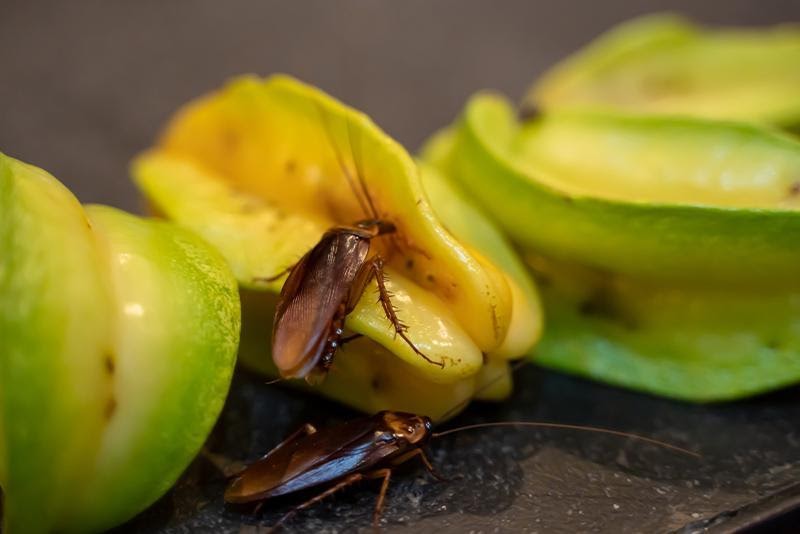
- Cockroaches: German cockroaches, the most prolific pests in the world, are scavengers attracted to food debris. Most commonly, food debris accumulates underneath and behind heavy equipment, where they are less likely to be disturbed.
- Ants: Ants will gravitate towards carbohydrate-rich food debris indoors and outdoors and can multiply quickly if left unchecked.
- Flies: Drains in restrooms and kitchens are perfect breeding grounds for house and fruit flies. Phorid flies are attracted to decaying material in latent drain lines, under loose tiles, and where filth and moisture collect. Regular deep cleaning and sanitization can help prevent an infestation.
- Bed bugs: Bed bugs can hitch rides on bags, clothes, and books, seeking new breeding grounds wherever these items are gathered and stored.
Interested in pest control service for your school? Learn more about the Government and Education Pest Control services we have to offer.
Where pests hide in schools
Schools provide a multitude of environments for pests within a single facility, making pest inspections crucial. Depending on the issues found, several types of pest control treatments may be required to effectively resolve pest activity and prevent future issues from occurring. Some of the key areas at risk for pests in schools include:
- Exterior: Mice can squeeze through an opening as small as ¼", and insects like ants, cockroaches, and flies only need an unsealed door or window to get inside. Once inside, these pests will take shelter and start multiplying. A full exterior inspection of the building can pinpoint any repairs that may need to be done to prevent pest entry.
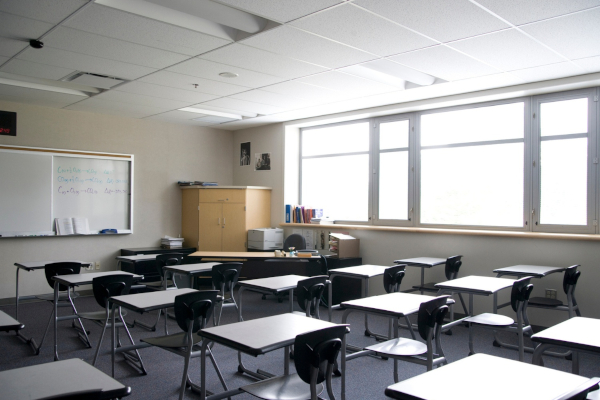
- Lobby, offices, classrooms: The rooms where staff and students spend the most time are also the rooms with the most wear and tear and potential for debris that could attract bugs and rodents. Carefully placed traps and exclusion strategies can help prevent pests in these areas.
- Cafeterias and dining areas: Food, shelter, and water attract pests. Restricting a pest's access to these resources through proper food storage, deep cleaning, and sanitation procedures is a key step in preventing pests.
- Restrooms: Flies can gather in restrooms where moisture builds up in the drains. Drain treatment services and a consistent cleaning and sanitation schedule can help eliminate any present fly activity and prevent future issues.
- Dorm rooms: Rodents, cockroaches, and bed bugs are very common in dorm rooms due to the ample hiding spots from clutter, personal belongings, and furniture. Open food containers, leftover food debris, and infrequently emptied trash can also act as a food source that may attract pests.
- Restrooms, break rooms, and locker rooms: Pests may be attracted to the accumulation of moisture and organic matter in restrooms, break rooms, or locker rooms. To prevent these infestations, schools should maintain a strict cleaning schedule and regular drain treatments.
Regulations regarding the type of pest control treatments that can be used in schools and how to manage them vary from state to state, so the best course of action is to call in a professional to guide your efforts.
Pest prevention is key
Preventing pest infestations in schools is crucial for maintaining a healthy and safe learning environment. Schools can significantly reduce the risk of infestations by sealing entry points, enforcing proper garbage disposal practices, and educating staff on recognizing signs of pests.
Terminix's Integrated Pest Management programs focus on long-term prevention and offer tailored services to address the unique needs of each school. Our technicians partner with school administrators to develop a plan that minimizes disruptions and ensures effective pest control year-round.
For pest control services that protect your school or classroom from pests, call us at 855.876.8300 to book a service or request a free estimate.